2026 Top Fluoropolymer Lined Reactor Manufacturers?
Choosing a Fluoropolymer Lined Reactor is a materials decision, not just a search for a supplier. In chemical plants, the lining must withstand the actual process: temperature changes, pressure, agitation, and repeated contact with corrosive media. A vessel that looks suitable on a specification sheet may still disappoint if its lining, joints, or inspection plan do not match operating conditions. Details matter.
Market reports show why this equipment deserves careful evaluation. Grand View Research’s 2024 Fluoropolymers Market report estimated the global market at approximately USD 11.8 billion in 2023 and projected continued growth through 2030. That figure covers many fluoropolymer applications, not reactor linings alone. It signals wider industrial demand, but it cannot rank manufacturers or prove that a particular design will perform in your process. This distinction is easy to miss.
This guide to 2026’s leading manufacturers focuses on practical evidence: lining materials and construction methods, available vessel configurations, quality documentation, installation support, and service responsiveness. Readers should also check whether suppliers can explain their limits, including allowable operating conditions and inspection requirements. Ask for relevant references, not just polished brochures. A careful comparison should separate verified capabilities from sales language and match each claim to the plant’s chemistry. No ranking can replace process-specific engineering review, but a clear shortlist can make that review more useful.
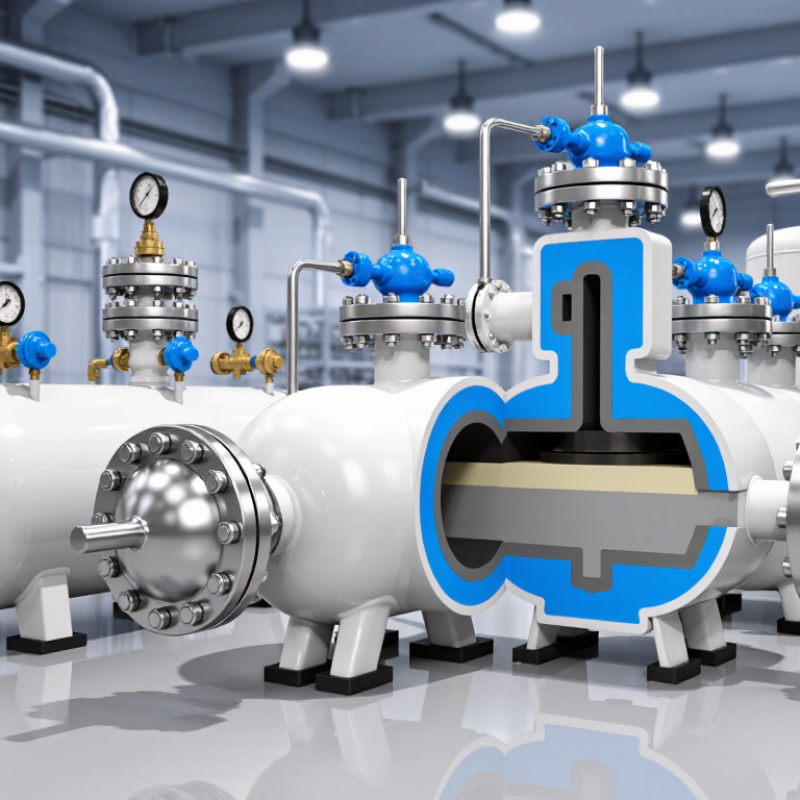
What Is a Fluoropolymer-Lined Reactor?
A fluoropolymer-lined reactor is a process vessel with a corrosion-resistant polymer surface inside a supporting shell, often made from metal. The lining separates the process material from the shell, helping reduce corrosion and contamination. Common lining materials include PTFE, PFA, and FEP. Their chemical compatibility and temperature limits differ, so the material must match the actual process conditions.
The reactor may include an agitator, baffles, nozzles, and a jacket for heating or cooling. These details matter because lining damage can start around joints, edges, or areas exposed to impact. A lined vessel can suit demanding chemical processes, but it is not suitable for every application. Not a magic shield. Temperature changes, pressure conditions, cleaning methods, and mechanical stress all affect service life. Buyers should review construction details, operating limits, inspection procedures, and relevant test records with a qualified supplier. A careful choice still needs periodic inspection.
Tips: Confirm compatibility for every ingredient, including cleaning fluids. Ask how the lining is attached and inspected. Small details matter.
2026 Top Fluoropolymer-Lined Reactor Manufacturers? — What Is a Fluoropolymer-Lined Reactor?
A fluoropolymer-lined reactor is a process vessel with a corrosion-resistant polymer lining on wetted surfaces. The lining helps isolate the process chemicals from the structural shell; it is generally not the pressure-bearing component. The table below provides a manufacturer-neutral guide to reactor construction, lining materials, and selection checks.
| Comparison dimension | Common options or characteristics | Practical selection checks |
|---|---|---|
| Reactor definition | A vessel used to contain and process a reaction, often with provisions for mixing, heating or cooling, and process connections. A fluoropolymer lining provides a chemically resistant barrier over wetted areas. | Confirm which surfaces are lined, including the vessel head, nozzle interiors, agitator components, and any dip pipes or internal fittings. |
| Structural shell | Often fabricated from carbon steel or stainless steel. The metal shell supplies the vessel’s structural strength, subject to the design and applicable pressure-vessel requirements. | Check the design pressure, design temperature, corrosion allowance, applicable codes, and whether the vessel is rated for vacuum service. |
| PTFE lining | PTFE is known for broad chemical resistance and is used in lined process equipment. Some PTFE grades have upper service-temperature ratings around 260°C, but the usable limit depends on the grade and equipment design. | Review the chemical mixture, concentration, temperature, pressure, permeation, and the lining method. Do not treat a polymer’s published temperature limit as the reactor’s operating rating. |
| PFA lining | PFA is a melt-processable fluoropolymer used in corrosion-resistant equipment and can be applied to complex surfaces. Its temperature and chemical performance depend on the specific grade and construction. | Request documented operating limits for the complete lined assembly and confirm that the lining process covers the required geometry. |
| FEP lining | FEP is used for chemical-resistant linings and generally has a lower maximum service temperature than PTFE or PFA. A commonly cited upper continuous-use range is around 200°C, subject to grade and design. | Check the supplier’s continuous and intermittent temperature limits, as well as compatibility with the actual process fluid and cleaning chemicals. |
| ETFE lining | ETFE is a fluoropolymer used where a combination of chemical resistance and mechanical durability is needed. Its typical temperature capability is lower than that of PTFE or PFA; published limits vary by grade and construction. | Compare abrasion, impact, temperature, and chemical requirements. Obtain written confirmation for the intended operating cycle. |
| Mixing and internal components | Agitators, baffles, thermowells, and other internals may be lined, polymer-made, or constructed from a compatible corrosion-resistant material. | Verify material compatibility for each wetted component and assess agitator speed, solids content, clearances, and potential lining wear. |
| Quality and inspection | Inspection plans may include visual examination, dimensional checks, and electrical holiday testing of suitable linings. Applicable checks depend on lining type and project requirements. | Ask for the inspection procedure, acceptance criteria, test records, repair documentation, and any specified final inspection report. |
| Manufacturer comparison criteria | Relevant factors include experience with the required vessel size and lining process, engineering support, documented quality controls, delivery scope, and after-sales service. | Compare technical proposals against the same process conditions and scope. Request references for comparable applications rather than relying on a general “top manufacturer” label. |
Temperature figures are general reference points, not design guarantees. Final suitability depends on the specific polymer grade, chemical composition, concentration, pressure, thermal cycling, vacuum conditions, fabrication details, and applicable codes. Obtain written operating limits for the complete reactor from the equipment supplier.