Skip to content

Top 10 Benefits of Using Cooling Towers in Industry?

In modern industrial processes, cooling towers play a vital role. These systems help manage heat, ensuring efficiency and productivity. According to Dr. Emily Carter, a leading expert in cooling tower technology, "Efficient cooling towers are the backbone of many industries."

cooling towers minimize energy consumption while maximizing performance. They do this by transferring excess heat from machinery and processes to the environment. This technology can significantly reduce operational costs for industries, from power generation to manufacturing.

However, the use of cooling towers is not without challenges. Maintenance can be complex, and efficiency can vary based on external factors. As industries evolve, the need for innovation in cooling design becomes evident. Emphasizing efficiency while addressing environmental impacts is crucial. The journey towards optimizing cooling tower systems is ongoing and requires careful attention.
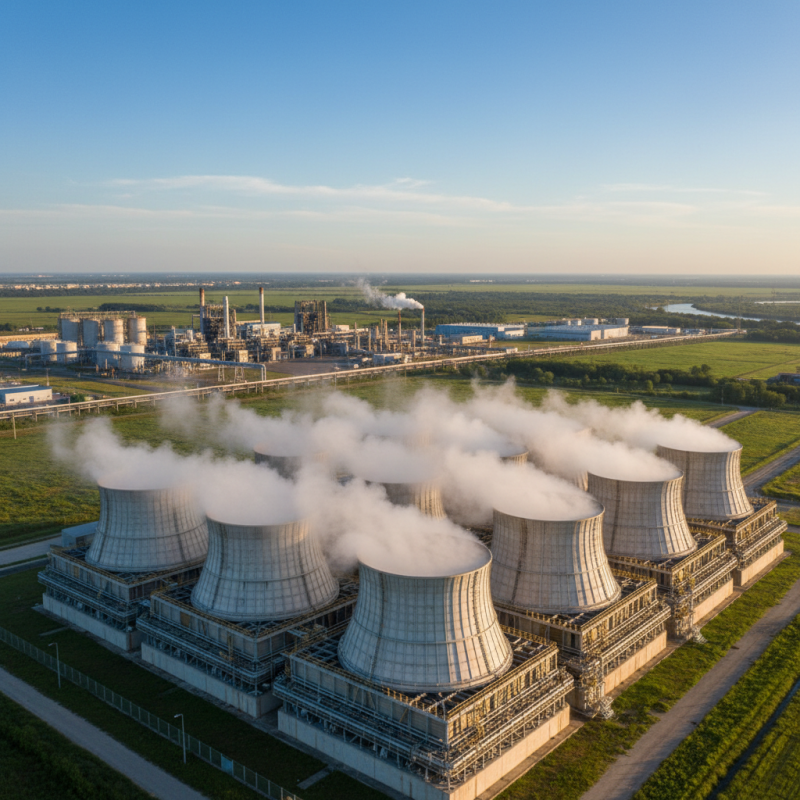
Top 10 Benefits of Using Cooling Towers in Industry?

Advantages of Cooling Towers in Industrial Applications

Cooling towers play a vital role in industrial applications. They help manage heat in processes efficiently. By dissipating excess heat, these systems enhance equipment performance. Industries like power generation and manufacturing rely on them for optimal operations. They can reduce energy consumption, as cooling towers recycle water, minimizing waste.

The advantages extend beyond efficiency. Cooling towers also contribute to environmental sustainability. With proper maintenance, they lower the carbon footprint of industrial operations. They are cost-effective solutions, often providing a return on investment. However, they require regular upkeep to prevent issues like scaling and algae growth. Neglecting care can lead to inefficiencies and increased operational costs.

Incorporating cooling towers can be a game-changer, yet challenges persist. Engineers must design systems tailored to specific needs. Adjustments may be necessary as processes evolve. Understanding the balance between efficiency and maintenance is crucial. A well-functioning cooling tower can significantly enhance productivity while benefiting the environment.

Enhanced Energy Efficiency and Reduced Operating Costs

Using cooling towers in industrial processes can significantly boost energy efficiency. These systems dissipate excess heat, leading to lower energy consumption. When properly maintained, cooling towers can operate effectively while minimizing energy loss. This means less strain on power grids and reduced emissions. However, inefficiencies can arise if maintenance schedules are neglected, leading to increased operational costs.

Lower energy usage translates directly to decreased utility bills. Many industries rely heavily on cooling systems, making energy savings crucial. The right cooling tower can optimize water and energy use. Yet, not all installations perform optimally. Factors like design flaws or incorrect sizing may hinder efficiency. Continuous evaluation and adjustment are necessary to achieve desired results.

Enhanced energy efficiency does not only cut costs. It also allows industries to allocate resources effectively. These savings can be reinvested into other areas, fostering innovation and growth. Yet, reliance on cooling towers without proper analysis can backfire. Overlooking the need for upgrades or technology advancements might lead to stagnation. A proactive approach is essential for long-term benefits.

Improvement of Heat Dissipation in Manufacturing Processes

Cooling towers are essential for improving heat dissipation in manufacturing processes. They help maintain optimal temperatures in machinery. This cooling is critical as overheating can lead to equipment failures. According to industry reports, effective cooling systems can enhance equipment lifespan by 20-30%.

In many sectors, such as power generation and chemical processing, heat management is vital. Inefficient heat dissipation can waste energy. Studies indicate that proper cooling can boost operational efficiency by up to 15%. This translates to significant cost savings for industries. However, not all cooling systems perform equally. The choice of materials and design directly impacts efficiency.

Sometimes, cooling towers may face operational challenges. For example, scaling and fouling can reduce performance by more than 50%. Regular maintenance is crucial but often overlooked. Many facilities struggle with integrating advanced cooling technologies. Balancing sustainability with thermal management remains a complex issue. Yet, the benefits of effective cooling towers cannot be ignored. They are key players in optimizing industrial processes and ensuring equipment reliability.

Top 10 Benefits of Using Cooling Towers in Industry

Benefit Description Impact on Manufacturing
Enhanced Heat Dissipation Cooling towers effectively remove excess heat from processes, maintaining optimal temperatures. Improves efficiency and lifespan of machinery.
Energy Efficiency They use ambient air to cool water, reducing energy costs compared to other cooling methods. Lower operational costs and reduced carbon footprint.
Consistent Performance Provides reliable cooling across varying operational conditions. Enhances product quality and process stability.
Space Efficiency Cooling towers can be designed to occupy minimal floor space, utilizing vertical height. Maximizes usable area in manufacturing facilities.
Environmental Benefits Reduces water wastage through recycling and evaporative cooling processes. Supports sustainability initiatives in manufacturing.
Cost Savings Lower initial and ongoing costs compared to mechanical chillers. Improves the bottom line for manufacturing operations.
Maintenance Accessibility Simple design allows for easier maintenance and repairs. Reduces downtime during maintenance activities.
Scalability Cooling systems can be easily expanded or modified to meet changing demands. Accommodates growth in production capacity.
Increased Equipment Longevity Maintaining proper temperatures extends the life of heat-sensitive machinery. Reduces capital expenditure on equipment replacements.
Improved Worker Safety Ongoing cooling reduces risks associated with overheating in industrial settings. Creates a safer work environment for employees.

Contributions to Sustainable Water Management Practices

Cooling towers play a crucial role in sustainable water management practices. They recycle water efficiently, reducing overall consumption. This reuse helps industries minimize their environmental footprint. With advancements in technology, modern cooling towers can lower water waste significantly. By evaporating water for cooling, they create a cycle that conserves resources.

However, the benefits are not without challenges. Maintaining water quality is vital, yet it can sometimes be overlooked. Poor maintenance may lead to algae growth or scale buildup, impacting performance. Regular inspections and proper treatment methods are necessary to ensure longevity. Industries must stay vigilant to overcome these potential pitfalls.

Moreover, the initial investment in cooling towers can deter some businesses. It requires careful planning and resources. However, over time, the savings on water and energy costs often justify the expenses. Companies should weigh short-term costs against long-term benefits. The transition to sustainable practices may seem daunting, but it is essential for the future.

Top 10 Benefits of Using Cooling Towers in Industry

The following chart represents the top 10 benefits of using cooling towers in industrial applications, highlighting their contributions to sustainable water management practices.

Flexibility and Scalability in Industrial Systems

Cooling towers play a crucial role in industrial systems, offering flexibility and scalability. They allow industries to adapt quickly to changing demands. This adaptability is essential in today's fast-paced market. Businesses can easily scale operations up or down without compromising efficiency.

Tips: Regular maintenance is vital. It ensures that cooling towers operate at peak performance. Neglect can lead to inefficiencies. Engage a reliable technician for periodic checks.

The ability to customize cooling solutions is another advantage. Industries can design systems tailored to specific processes. This customization can lead to significant cost savings. However, some companies may struggle with the initial setup. It's important to address these challenges head-on.

Tips: Train staff on the cooling system's operation. Knowledgeable employees can optimize performance. Their insights can help identify areas for improvement.

Conclusion

Cooling towers play a crucial role in industrial applications by providing several key benefits that enhance overall operational efficiency. One of the primary advantages is their capability to improve energy efficiency, which leads to reduced operating costs for manufacturing processes. By optimizing heat dissipation, cooling towers ensure that equipment operates at optimal temperatures, facilitating better performance and longevity.

Furthermore, cooling towers contribute to sustainable water management practices, allowing industries to reuse water while minimizing environmental impact. Their inherent flexibility and scalability make them adaptable to various industrial systems, accommodating changes in production demands. Additionally, cooling towers are designed to perform effectively under diverse climate conditions, ensuring consistent operational reliability. Overall, the integration of cooling towers in industrial settings not only promotes efficiency but also supports environmental sustainability.

Article Source: