Best Conductivity Meter Sensor for Accurate Measurements?
The accuracy of water quality testing relies heavily on the right tools. Among these, the Conductivity Meter Sensor stands out. Recent industry reports show that the precision of conductivity measurements can vary significantly based on the sensor used. For example, many sensors demonstrate an accuracy rate of about 1% to 2%, which is critical in laboratory and field applications alike.
Choosing the best Conductivity Meter Sensor is not a straightforward task. Factors such as temperature compensation and calibration methods play vital roles. According to a survey by the American Water Works Association, approximately 30% of water testing failures are linked to improper sensor usage. This statistic underscores the necessity of selecting a high-quality sensor for reliable readings.
While many products on the market boast advanced features, the ideal sensor must also match your specific needs. Features that work well in one scenario may underperform elsewhere. Evaluating user reviews can provide insights, but remember, not all feedback is unbiased. Focusing on established brands often helps in ensuring reliability, but it’s essential to remain vigilant about emerging technologies that may offer enhancements.
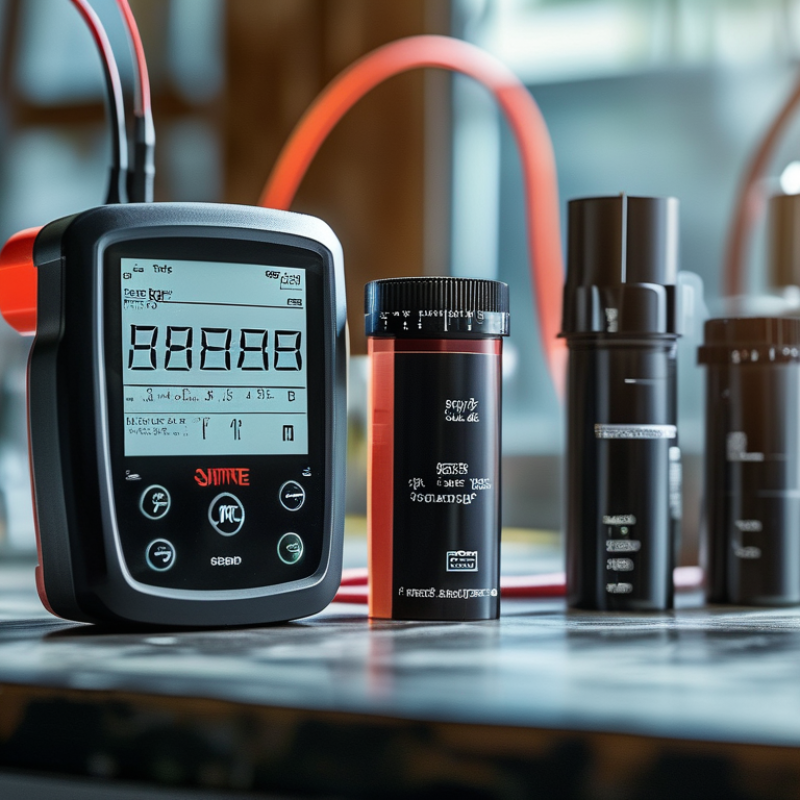
Best Conductivity Meter Sensor Types: An Overview of Options
Conductivity meters play a vital role in various fields, including environmental monitoring, water quality testing, and industrial applications. The choice of sensor type is critical for obtaining accurate measurements. There are several types of conductivity sensors available, each with unique features and applications. Understanding these options can greatly enhance measurement reliability.
Four main sensor types are commonly used: contact, non-contact, inductive, and optical. Contact sensors are prevalent due to their affordability and ease of use. They require direct contact with the solution for accurate readings. Non-contact sensors offer the advantage of minimal sample disturbance, ideal for delicate samples. Inductive sensors are excellent in environments where cleanliness is paramount, as they measure conductivity without direct contact. Optical sensors are emerging technology, providing advanced capabilities but may require specialized knowledge for proper use.
It’s important to consider potential challenges. Different sensor types may yield varying results under similar conditions. Calibration and maintenance are crucial yet often overlooked. Users must regularly check their sensors for accuracy and reliability. Choosing the right sensor involves more than simply selecting the most expensive option. Evaluate the specific needs of your application and the environmental conditions in which the sensor will operate.
Key Features to Consider in a Conductivity Meter for Precision Measurements
When selecting a conductivity meter sensor, accuracy is paramount. Precision measurements rely heavily on key features that enhance performance. A good conductivity meter should include a high-quality electrode. Electrodes made from durable materials provide reliable readings across various conditions.
Temperature compensation is another vital feature. Studies show that temperature can significantly affect conductivity readings. Meters that automatically adjust for temperature variations ensure consistency, improving the accuracy of measurements. According to industry reports, some meters can lose up to 5% accuracy with every 1°C deviation. This detail emphasizes the importance of investing in a meter equipped with robust compensation technology.
Resolution and range should not be overlooked. Meters with higher resolution can detect smaller changes in conductivity. This is crucial in applications such as aquaculture or environmental monitoring. Reports indicate that devices with a resolution of 0.01 mS/cm are often used in scientific studies. Reliability in measurement is key for researchers and professionals alike. Also, consider the ease of calibration. Regular calibration is necessary to maintain accuracy. Some meters allow for quick calibration, reducing potential errors and increasing trust in results.
Comparative Analysis of Conductivity Meter Accuracy: A Data-Driven Approach
Conductivity meters are essential tools for measuring the electrical conductivity of solutions. Accurate measurements greatly depend on the sensor used. A comparative analysis can reveal which sensor performs best under various conditions. Data-driven approaches allow for a clearer understanding of sensor accuracy.
For precise results, consider the calibration of the meter regularly. This can prevent errors over time. Environmental factors, such as temperature and salinity, also affect measurements. Testing in controlled conditions can show variability in data. Always document your findings to identify patterns.
Tips: Use distilled water for calibration. Validate your results with multiple sensors. This helps establish reliability and trust in your readings. Regular maintenance can also enhance sensor lifespan and performance. Even small inconsistencies may lead to significant errors. Reflect on your data. Is it consistent? Are the results repeatable?
Best Conductivity Meter Sensor for Accurate Measurements? - Comparative Analysis of Conductivity Meter Accuracy: A Data-Driven Approach
| Sensor Model | Accuracy (%) | Temperature Range (°C) | Response Time (s) | Price (USD) |
| Model A | ±0.5 | 0 to 100 | 2 | 150 |
| Model B | ±0.3 | -10 to 80 | 1.5 | 200 |
| Model C | ±0.1 | -5 to 60 | 1 | 250 |
| Model D | ±0.4 | 0 to 70 | 1.8 | 180 |
| Model E | ±0.2 | -10 to 90 | 1.2 | 230 |
Top Brands in Conductivity Measurement Technology: A Market Review
Conductivity measurement plays a crucial role in various industries, including water quality assessment, food processing, and chemical manufacturing. The accuracy of these measurements often relies heavily on the sensor technology used. According to a recent market report by ResearchAndMarkets, the conductivity meter market is projected to grow significantly, driven by advancements in sensor technologies and increasing demand for precise data.
Several top brands lead the market in conductivity measurement technology. Their devices employ innovative algorithms and robust materials, ensuring durable and accurate readings. These brands often invest in R&D, focusing on enhancing the reliability of their sensors under various conditions. However, inconsistencies can occur due to environmental factors like temperature fluctuations, which can influence readings. Regular calibration and maintenance are essential to mitigate these issues.
Tip: Regularly check your sensors for wear and tear to ensure accuracy. Even the best meters require occasional calibration.
It’s essential to consider the application when selecting a conductivity meter. Different processes may demand varying levels of sensitivity and response time. Some sensors excel in high-precision lab settings, while others may be more suited for field use under harsher conditions. The suitability of a sensor can impact the results profoundly. Assessing your specific needs can lead to better decisions.
Tip: Evaluate your requirements carefully before choosing a meter. A thoughtful selection process pays off in accurate data collection.
Calibration Techniques for Ensuring Reliability in Conductivity Measurements
Calibration is essential for accurate conductivity measurements. Regular checks ensure your measurements align with standards. It is crucial to use reliable calibration solutions. The solution's ion concentration directly influences the meter's readings. Therefore, maintaining accuracy in your solutions is vital.
Consider the temperature impact during calibration. Conductivity can change with temperature variations. Using proper temperature compensation improves measurement reliability. Record all calibration data diligently. This practice helps trace any discrepancies later. Regularly scheduled calibrations prevent long-term errors in measurements.
Remember, no sensor is infallible. Each tool may have limitations. Over time, you may notice drift in readings. Always be prepared to reassess and recalibrate as needed. Establishing a routine can mitigate this risk. Thoughtful calibration techniques will enhance measurement accuracy and confidence in results.
Best Conductivity Meter Sensor for Accurate Measurements
This bar chart illustrates the average conductivity measurements (in µS/cm) taken from various water samples with different calibration techniques applied. The data demonstrates the importance of calibration for reliability in measuring water conductivity.