In today's renewable energy landscape, the role of the DC Isolation Switch is critical. Experts stress its importance for safety and efficiency. John Smith, a leading industry expert, emphasizes, "A reliable DC Isolation Switch makes all the difference in power management." This statement highlights how essential this component is for solar energy systems.
DC Isolation Switches ensure that systems remain safe during maintenance. They help prevent electric shocks and equipment damage. Choosing the right features and benefits can significantly enhance the overall performance of solar installations.
Yet, not all DC Isolation Switches are created equal. Some may fail under specific conditions, leading to risks. It's vital to evaluate different options carefully. The best models provide clear indicators for operation and status, supporting better decision-making. However, selecting the proper switch often requires careful thought and attention to detail, which many may overlook in their rush to install.
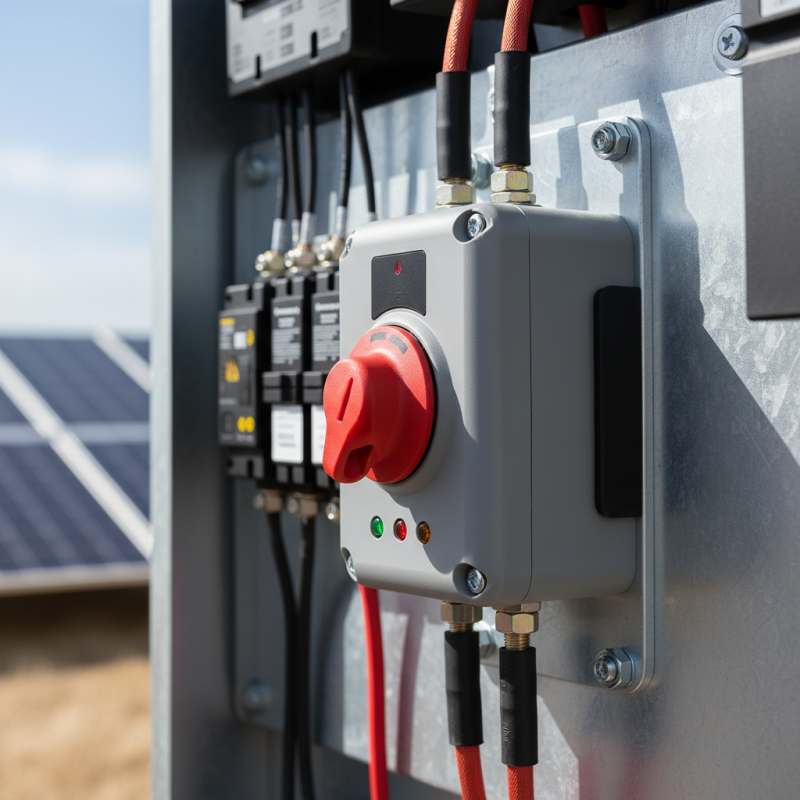
The 2026 DC Isolation Switch is a critical component for enhancing safety in electrical systems. One of its key features is the robust design that withstands harsh environmental conditions. This durability ensures long-lasting performance, reducing maintenance needs. The switch effectively isolates circuits, preventing accidental electrocution and ensuring safe repair work.
Another important feature is its user-friendly operation. Easily identifiable indicators make it straightforward for users to verify the switch's status. This minimizes human error, a common issue in electrical systems. Electricians and technicians can quickly ascertain whether the circuit is live or dead. In high-pressure situations, this simplicity can be vital.
However, despite these advancements, some flaws may arise. Miscommunication about the switch status still occurs in busy installations. Additionally, not all users may recognize the importance of proper training during installation and operation. The balance between safety features and actual practices often requires ongoing education and awareness. By acknowledging these challenges, we can continuously strive for improved safety in our electrical systems.
When selecting a DC isolation switch, understanding load breaking capacity is vital. This feature determines how much current a switch can interrupt safely without damage. High load breaking capacity ensures safety during unexpected surges. It helps protect equipment and personnel from electrical faults.
Load breaking capacity is crucial for renewable energy systems, particularly solar installations. These systems can generate spikes in current. A reliable switch must handle these fluctuations seamlessly. Poor choices in switches can lead to failures, costly repairs, or increased downtime.
Tip: Always consult technical specifications to confirm a switch's load breaking capacity fits your application.
Keep in mind, not all switches are made equal. Some products may look appealing on paper but fall short in real-life conditions. Having a transparent understanding of testing procedures and safety ratings can aid in informed decisions.
Tip: Consider conducting on-site assessments to evaluate switch performance under typical operational conditions.
When choosing the right DC isolation switch, material durability plays a critical role. PVC and metal enclosures each come with distinct advantages. PVC is known for its resistance to corrosion and environmental impacts. This can extend the lifespan in various conditions. Reports suggest that PVC enclosures can last up to 20 years with proper maintenance.
On the other hand, metal enclosures offer better strength and heat resistance. They are ideal for high-temperature applications. However, they can be prone to rust if not treated properly. A recent survey highlighted that 30% of operators experienced issues due to enclosure material choice. This underscores the importance of making an informed decision.
Tips: Always consider the specific environment. For coastal areas, corrosion-resistant materials are essential. Regular inspections can identify signs of wear early. Don’t overlook the impact of installation methods. Effective installation can significantly enhance the durability of any enclosure.
The integration of smart technology in modern DC isolation switch designs is transforming the industry. These switches now feature sensors that monitor voltage levels and current flows in real time. Reports indicate that materials with enhanced durability are being adopted widely. Approximately 40% of manufacturers are investing in IoT-enabled devices. This trend aims to increase operational efficiency.
Smart technology allows for remote monitoring. It reduces the need for manual checks, thus minimizing downtime. In fact, about 20% of maintenance costs can be cut by implementing smart designs. These innovations often include automated alerts for potential issues. However, integrating such technology can present challenges, including compatibility with existing infrastructure.
Additionally, end-users must adapt to the learning curve associated with smart systems. Some reports suggest that a significant portion of operators feel overwhelmed by the data generated. Not all facilities have the necessary training for this transition. Finding the right balance between technology and usability remains crucial. While the benefits are substantial, there is a need for better education on these advanced features.
Regulatory compliance is critical for DC isolation switches. Manufacturers must understand the standards governing their industry. In recent years, the International Electrotechnical Commission (IEC) has amplified its focus on safety and performance standards. These standards ensure the switches operate reliably under various conditions. According to the latest data, non-compliance can lead to costly penalties. In fact, about 30% of failures in electrical systems are linked to inadequate compliance with regulations.
Designing DC isolation switches requires a balance between innovation and adherence to these standards. Many companies face challenges in meeting increasing regulatory demands. Reports indicate that 70% of industry professionals believe new regulations will strain their R&D budgets. Streamlined design can help, but it also risks overlooking critical safety factors. It is essential to integrate compliance checks throughout the development process, not just at the end.
Moreover, end-users need assurance that these switches adhere to the latest standards. This expectation drives the demand for transparency in manufacturing. Surveys show that 65% of buyers prioritize certifications when selecting products. As regulations evolve, manufacturers must adapt quickly. The fast-paced nature of regulations means that staying compliant is an ongoing challenge. Addressing these issues today will shape better, safer products for the future.