The global energy sector is evolving rapidly, with a significant focus on efficiency and sustainability. Transformer Substations are vital in ensuring reliable power distribution. According to a recent report by the International Energy Agency, the demand for electrical transformers is projected to grow by 6% annually until 2030. This growth underscores the importance of selecting the right technology and solutions for transformer substations.
In many regions, aging infrastructure poses challenges. Modernizing transformer substations can lead to increased reliability and efficiency. Innovative solutions such as smart grid technology enhance real-time monitoring and control. As highlighted in a recent research paper, 80% of electrical failures can be traced back to outdated substations. This statistic emphasizes the need for global buyers to invest wisely in transformer substation solutions.
Currently, various manufacturers are competing to provide optimized solutions tailored to different needs. Yet, not all solutions meet the rigorous demands of modern energy systems. Buyers must critically assess their options, focusing on quality, performance, and long-term reliability. Understanding the market landscape is crucial to making informed decisions in this ever-changing energy environment.
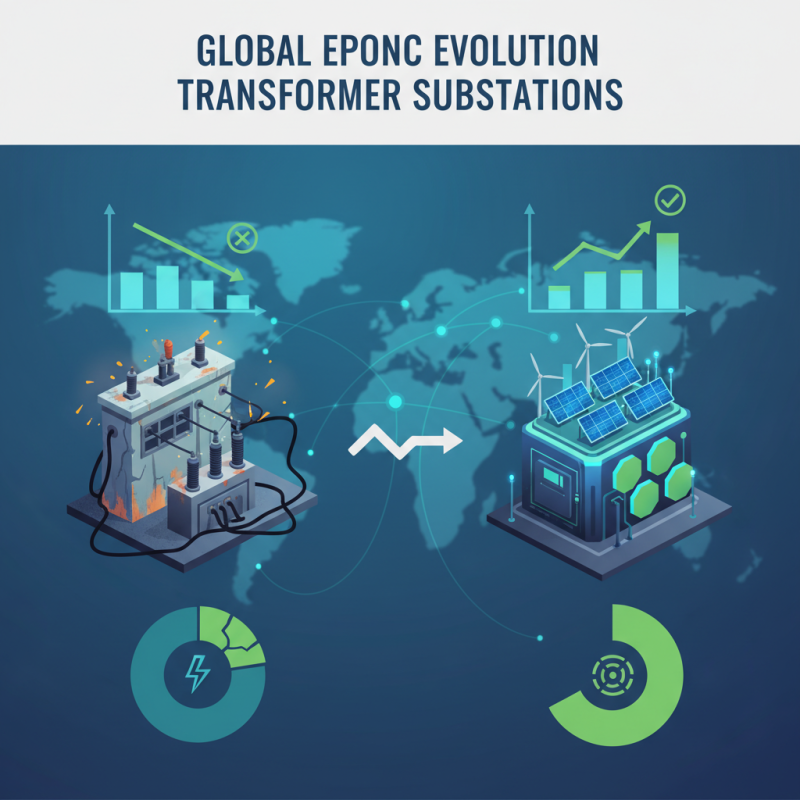
Transformer substations play a crucial role in electricity distribution. They convert high voltage power to lower voltage levels for safe delivery. This process is essential for the functioning of homes, businesses, and industries. Poorly designed substations can lead to power losses and outages. Therefore, selecting the right transformer solutions is critical.
When considering transformer substations, pay attention to the location. Proper site selection can enhance performance and accessibility. Additionally, regular maintenance is vital. It ensures safety and longevity of the equipment. Neglecting maintenance may result in costly repairs.
Tips: Conduct regular inspections. Look for signs of wear and tear. Update and upgrade technology as needed. Investing in advanced monitoring systems can improve reliability. These systems can alert users to potential issues before they escalate. Proper transformer solutions are not just about purchase—they’re about ongoing care and attention.
| Dimension | Specification | Importance | Global Market Trends |
|---|---|---|---|
| Substation Capacity | Up to 1200 MVA | Critical for meeting energy demands | Growth in renewable integration |
| Transformer Type | Oil-filled, Dry-type | Impact on efficiency and maintenance | Shift towards eco-friendly options |
| Cooling System | Natural, Forced air, Oil | Ensures optimal performance | Increased focus on thermal management |
| Protection Systems | Relay, Circuit breakers | Safety and reliability enhancement | Emergency response improvements |
| Market Outlook | Investment in Smart Grids | Increased grid resilience | Emphasis on digitalization |
Transformer substations play a crucial role in electrical infrastructure. Their key components ensure the efficient and reliable distribution of electricity. Among the essential parts are transformers, switchgear, and protection devices. Each component must be selected with care to meet specific requirements.
Transformers convert high voltage to low voltage levels. This process minimizes energy loss during transmission. Proper sizing and installation are vital. The switchgear controls and protects electrical equipment. It allows safe operation and maintenance while preventing faults. Additionally, advanced protection devices detect abnormalities quickly. They are essential for system reliability.
When selecting components, buyers often face challenges. Each component must be compatible with the overall system. This requires a deep understanding of technical specifications. Additionally, the varying regulations across regions can complicate choices. It’s crucial to consider these factors carefully to ensure optimal performance.
Choosing the right transformer substation requires careful consideration of several critical factors. The size of the substation plays a pivotal role. Substations must accommodate future growth in power demand. Proper planning ensures that the substation can handle higher loads without significant upgrades.
Another essential factor is environmental impact. The location should minimize ecological disruption. It’s vital to assess surrounding wildlife and habitats. Geographical conditions, like soil stability and flood risks, also affect site selection. These elements ensure reliability and safety in operation.
Regulatory compliance is crucial. Adhering to local codes and guidelines often requires thorough research. Understanding the legal frameworks can prevent future complications. Users should also evaluate technology trends, incorporating modern innovations. Balancing cost with quality is essential, requiring reflection on initial investment versus long-term savings. Every decision impacts operational efficiency and reliability.
Transformer substations are vital for energy distribution across various regions. As demand for energy rises globally, the need for reliable transformer substation solutions is crucial. According to the Global Energy Supply Report 2023, the global transformer market is expected to reach $75 billion by 2025, reflecting a significant growth in infrastructure needs.
In this competitive environment, top suppliers play a critical role. They leverage advanced technologies to improve efficiency and reliability. Among these advancements, smart grid technology stands out. It enhances the monitoring and control of transformers, reducing downtime. Studies indicate that integrating smart technologies can lead to a 25% increase in operational efficiency. However, not all suppliers offer equal reliability in emergency response situations. Some may face delays during peak demand times.
Furthermore, sustainability is becoming a focal point for global buyers. Reports suggest that companies are increasingly turning to suppliers who prioritize eco-friendly production methods. This shift can provide long-term benefits, but it also requires ongoing scrutiny of supplier practices. Without reliable assessments, buyers might invest in solutions that fall short of their sustainability goals.
The future of transformer substations is intertwined with technological advancements and sustainability goals. A recent report by the International Energy Agency projects that global electricity demand will rise by 30% by 2040. This surge urges the energy sector to enhance its infrastructure efficiently. Innovations like digital substations are now imperative. These facilities utilize sensors and IoT technology, enabling real-time monitoring and predictive maintenance.
However, implementing such advanced technologies poses challenges. A significant issue is the interoperability between old and new systems. Many existing substations still run on outdated equipment. Upgrading them without extensive downtime requires careful planning and investment. This highlights the need for thorough assessments before adopting new technologies.