Skip to content

China Top 10 Fuel Generator Manufacturers for Global Buyers

Reliable power matters when grid access is limited, unstable, or simply unavailable. The International Energy Agency’s Electricity 2024 report projects that global electricity demand will grow by an average of 3.4% annually through 2026. That forecast is not a measure of generator sales. It does, however, highlight the growing need to plan for dependable power across industry, construction, healthcare, and remote operations.

Choosing a Fuel Generator involves more than comparing advertised output. Buyers must assess rated and standby capacity, fuel consumption, emissions performance, noise levels, service access, and parts availability. A unit powering a jobsite cabin has different demands from backup equipment serving a factory. Small details matter. Consider a maintenance team’s access to filters, or the space needed around a generator for safe servicing. These factors can shape long-term operating costs as much as the purchase price.

China has a broad manufacturing base, but supplier claims should be checked against technical documents, test records, warranty terms, and export support. This guide examines ten manufacturers through buyer-focused criteria, including product range, application fit, and after-sales capability. The comparison is a starting point, not a substitute for site-specific engineering. Rankings can simplify a complex market, and that limitation deserves attention. Verify specifications directly with each manufacturer before making a purchase decision.
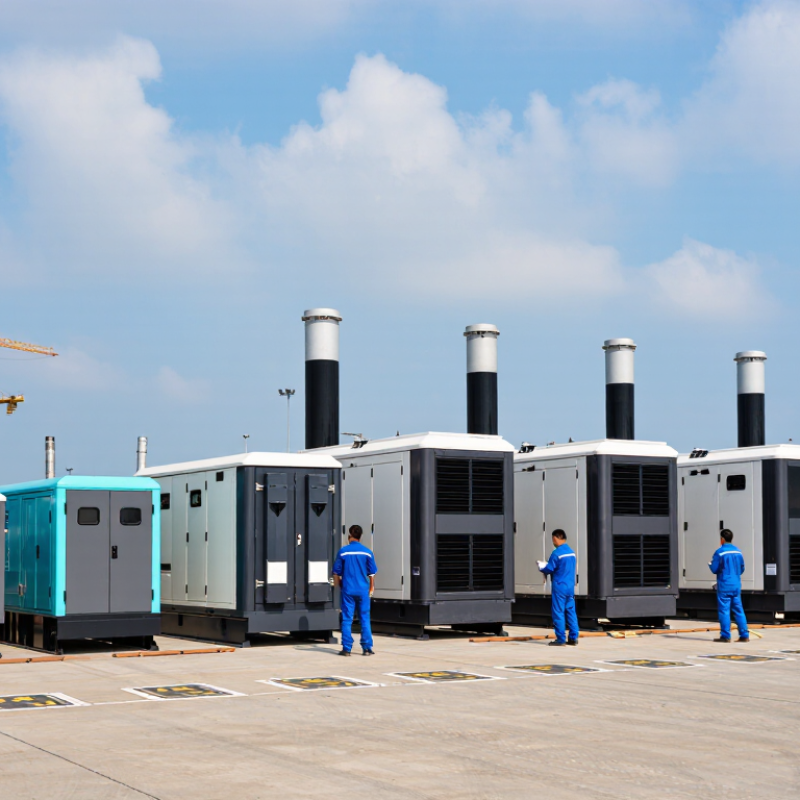
China Top 10 Fuel Generator Manufacturers for Global Buyers

Understanding Fuel Generators and Their Role in Global Power Supply

Fuel generators convert the energy in liquid or gaseous fuel into electrical power. Inside the engine, combustion drives a shaft connected to an alternator. The alternator produces electricity for equipment, buildings, or temporary power systems. In practice, output depends on load, fuel quality, maintenance, and operating conditions. A generator rated for a workshop may struggle when pumps and compressors start together.

They serve as backup power where grid supply is unavailable or unreliable. Construction crews may use them to run lights and tools at a remote site. Hospitals and data facilities use carefully planned backup systems to support critical equipment during outages. Small details matter: ventilation, safe exhaust routing, grounding, and fuel storage all affect reliable operation. These systems need regular inspection. Not optional.

For global buyers, comparing generator specifications requires more than checking rated kilowatts. Confirm whether the rating is continuous or standby, and ask how performance changes with altitude and temperature. Fuel consumption figures are useful, but they may reflect specific test conditions rather than everyday use. Noise levels and service access also shape the real operating experience. A unit can look suitable on paper and still be inconvenient to maintain. That is worth questioning before purchase.

How to Evaluate Chinese Fuel Generator Manufacturers for International Procurement

Evaluating Chinese fuel generator manufacturers for international procurement takes more than comparing quotations. Ask for documented engine and alternator specifications, rated and standby output, fuel consumption, and noise levels. Check whether test reports identify the same model and configuration you plan to order. A neat certificate is useful, but it does not prove consistent production.

Request a factory audit, either in person or through an independent inspector. Look closely at winding assembly, wiring labels, weld quality, and how finished units are tested under load. Ask for serial-number traceability and a sample inspection plan. Then confirm export packing, spare-parts availability, warranty response times, and whether manuals can be supplied in your working language. Details matter. A cracked crate corner after ocean shipping can expose weak packing practices.

For overseas projects, verify that the proposed configuration matches the destination’s voltage, frequency, climate, and applicable emissions and safety requirements. Have the supplier explain any differences between the quotation, drawings, and final inspection records. Compare delivery terms and payment milestones in writing. A low price can conceal omitted accessories or unclear service responsibilities. Even a careful review has limits; factory conditions may change between visits, and paperwork can be incomplete. Record open questions and make acceptance criteria specific before production begins.

China’s Top 10 Fuel Generator Manufacturers for Global Buyers

China’s Top 10 Fuel Generator Manufacturers for Global Buyers

China’s fuel generator sector includes manufacturers serving construction, agriculture, commercial backup, and remote-site power needs. A useful shortlist should compare more than advertised output. Check rated and standby power separately, then match the figures to the equipment’s actual starting loads. A generator that looks adequate on paper may struggle when pumps or compressors switch on together.

Ask each manufacturer for engine and alternator specifications, fuel consumption at different loads, noise data, and routine maintenance intervals. Request recent test records and confirm what the stated warranty covers. Details matter. A clear parts list and practical service instructions can save time after delivery. Buyers should also inspect sample units or arrange independent pre-shipment checks when order size and logistics justify the cost.

Export experience varies. Some suppliers communicate well but provide incomplete technical documents; others offer detailed drawings yet respond slowly to questions. That part is easy to overlook. Compare lead times, packaging, spare-parts availability, and support across time zones before choosing among ten candidates. Confirm applicable destination-market requirements with qualified local professionals, since certification and emissions rules differ by location. Share your expected operating hours, ambient temperature, and load profile early. The comparison may still feel imperfect, but specific questions make supplier claims easier to verify.

Comparing Product Range, Quality Standards, and Export Capabilities

Global buyers should compare generator makers by usable product range, not catalogue size. Check whether one supplier can provide open and sound-attenuated sets, multiple power ratings, control options, and spare parts for the intended duty cycle. The IEA’s Electricity 2024 report recorded 2.2% growth in global electricity demand in 2023 and forecast average annual growth of 3.4% for 2024–2026. That trend supports continued interest in resilient power, but demand forecasts do not prove a manufacturer’s quality or delivery capacity.

For quality, request test records tied to the exact model and rating. ISO 8528 covers reciprocating-engine-driven AC generating sets, including performance and testing requirements. Ask for factory load-test results, noise data, engine and alternator specifications, and documented quality-system certification. A certificate alone is not enough. Check its scope and validity. Export capability also needs evidence: confirm destination-market documentation, packing methods, shipping experience, warranty terms, and parts availability. A polished export brochure may still omit practical lead times.

Tips: Ask for a sample test report, then match its serial number, rating, and test conditions to the quotation. Test under load. Compare like with like. Manufacturer rankings can be a useful starting point, but they rarely capture local service quality; even careful comparisons leave some uncertainty.

How to Choose a Manufacturer Based on Application, Budget, and Support

Choosing among China’s top fuel-generator manufacturers starts with the load, not the catalogue. List essential equipment, starting currents, operating hours, and site conditions. A clinic needing quiet overnight backup has different priorities from a construction site powering pumps and welders. The IEA’s Electricity 2024 report projected global electricity demand growth of about 4% in both 2024 and 2025. That pressure makes dependable backup planning practical, but it does not mean every buyer needs the largest set. Ask manufacturers for documented output ratings, fuel-consumption figures at partial load, and test records matching your intended duty cycle.

Set a budget that includes delivery, commissioning, routine service, and likely replacement parts—not just the purchase price. Compare quotations on the same specification, including voltage, frequency, enclosure, and control features. Check whether the supplier can provide local technical support, clear maintenance intervals, and realistic parts lead times. Request references from installations with similar climates and workloads. One awkward detail: a low quoted price may still be reasonable, but only if the support plan is credible.

Tips: Share a real load list and operating schedule before requesting quotes. Ask for fuel use at 50%, 75%, and 100% load. Confirm who handles troubleshooting after delivery, and get response times in writing. If the supplier’s answers feel vague, pause. A polished brochure is not a service network.