How to Choose the Best CNC Industrial Robot Arm for Your Business?
As industries evolve, the demand for automation increases. The Cnc Industrial Robot Arm is a crucial element in this transformation. According to a recent report by the International Federation of Robotics, the market for industrial robots is expected to grow by 10% annually through 2025. This trend highlights the importance of selecting the right CNC industrial robot arm for your business needs.
Finding the best model can be complex. Factors such as precision, payload capacity, and reach play vital roles. Investing in a CNC industrial robot arm could lead to significant efficiency gains. However, not all options will fit every application. The wrong choice may result in wasted resources. It can be a costly mistake.
Understanding your specific operational requirements is essential. Many businesses overlook key aspects, leading to suboptimal performance. Balancing cost and functionality requires careful consideration. The right CNC industrial robot arm can enhance production while minimizing downtime. However, businesses must conduct thorough research to navigate this competitive landscape effectively.
Understanding the Basics of CNC Industrial Robot Arms
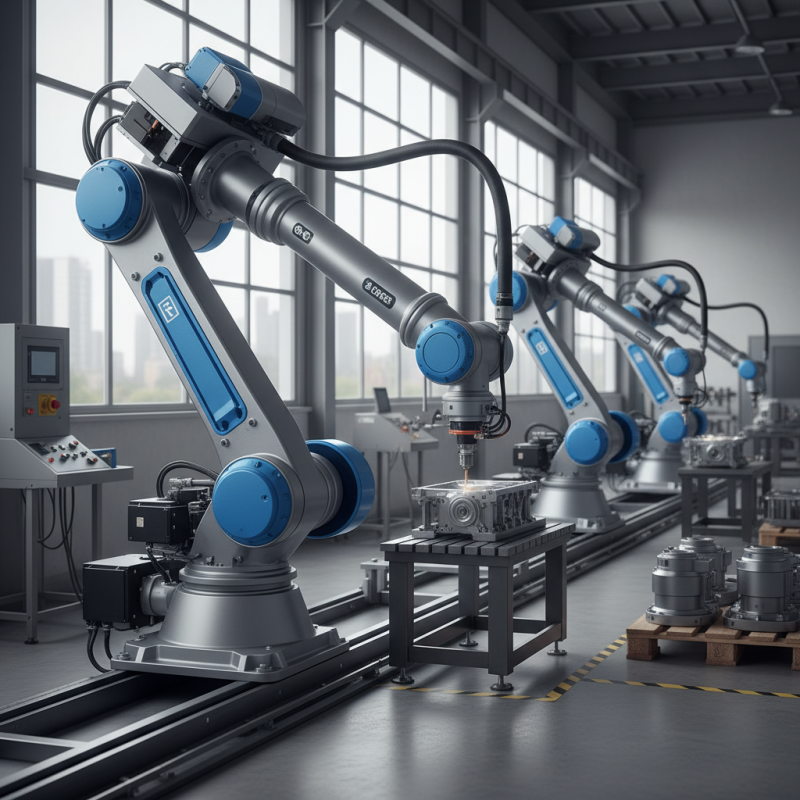
CNC industrial robot arms are essential for automation in manufacturing. They enhance precision and efficiency. Understanding their basics is crucial for making the right choice. A CNC robot arm consists of joints, links, and an end effector. These components work together to perform tasks like cutting, welding, and assembling.
When selecting a CNC robot arm, consider the payload capacity. This dictates the weight it can handle safely. Choosing one with a higher payload than necessary may lead to wasted resources. Think about the working envelope too. It’s vital to ensure that the arm can reach all required areas in your workspace.
Tips: Look for versatility. Some robot arms can adapt to different tasks, reducing the need for multiple machines. Evaluate the software compatibility as well. A user-friendly interface can streamline operations. Lastly, review maintenance requirements. Regular upkeep is necessary for longevity. A neglected arm might fail, leading to costly downtime. Reflect on your specific needs to find the best fit.
Identifying Your Business Needs for CNC Automation
Identifying operational needs is critical for successful CNC automation. A 2020 report by MarketsandMarkets indicates that the CNC automation market is expected to reach $4.39 billion by 2025, highlighting the growing importance of robotics in manufacturing. Understanding your specific production requirements can significantly enhance efficiency. For example, consider if your operations prioritize speed, precision, or versatility.
Assessing your business goals will guide your robot arm selection. If you require high-volume production, stability in performance is essential. In contrast, if your focus is on custom jobs, flexibility may take precedence. According to Statista, companies adopting automation see productivity improvements of up to 30%. This statistic underlines the potential benefits of a well-chosen robotic solution.
Don’t overlook the integration challenges. Assess how new systems will align with existing workflows. Employee training is another aspect often neglected. Workers need adequate training for a smooth transition. A poorly executed implementation could hinder the benefits of CNC automation. Long-term planning is necessary for success. Recognizing these nuances foster a better alignment of technology with your business needs.
Evaluating Different Types of CNC Robot Arms
When selecting a CNC industrial robot arm, it’s crucial to evaluate the different types available. This decision greatly impacts your production efficiency. Generally, these arms can be categorized into articulated, SCARA, and parallel robots. Articulated arms excel in complex assembly tasks, while SCARA arms are fantastic for high-speed picking and placing.
Tips: Always consider your workspace dimensions. Some arms require more space for movement. Additionally, assess your product types. Different arms handle various weights and dimensions effectively.
Understanding your business needs is vital. An articulated robot may be versatile but might not be ideal for simple tasks. Occasionally, businesses overlook the integration of these robots with existing machinery. It’s a common pitfall that can lead to inefficiencies.
Tips: Test different models before making a purchase decision. Hands-on experience brings clarity. Consult professionals or peers who use robot arms. Their insights can reveal critical factors you might miss. Always adapt your choice based on long-term goals and scalability.
Key Features to Consider When Selecting a Robot Arm
When selecting a CNC industrial robot arm, several key features demand your attention. Precision and repeatability are vital. A robot arm must perform tasks with high accuracy. Small deviations can lead to costly errors in production. Consider the payload capacity as well. Heavier items require sturdier arms. Think about the types of materials you will work with and ensure compatibility.
Another important feature is the reach of the robot arm. A long reach extends the arm's capabilities but can also affect its stability. Evaluate your workspace. Will the arm have enough room to operate safely?
Additionally, software integration is crucial. The ability to easily integrate with your existing systems can save you time and ensure smooth operations.
Maintenance requirements also deserve consideration. Some models require extensive upkeep. Reflect on whether your team can manage that. Ease of use is often overlooked. User-friendly controls reduce training time and errors. At some stage, you might encounter unexpected challenges. Stay prepared to tweak your selection based on real-world performance.
Comparing Costs and ROI for CNC Robot Arm Investments
Investing in CNC robot arms involves significant financial commitment. Understanding costs and potential returns is essential for businesses. A 2022 report by the International Federation of Robotics estimated that automation could increase productivity by 30% to 50% in many industries. However, investments require careful analysis and planning.
Cost factors for CNC robot arms include initial purchase price, installation fees, and maintenance expenses. Research indicates that companies can expect to pay between $30,000 and $150,000, depending on the capabilities required. Integration costs add another layer. A well-documented case study revealed that a mid-sized manufacturer saw a 200% return on investment within three years of implementing CNC technology.
Companies must also consider downtime and training costs. Employees need to be trained to operate new systems. This transition can affect operations. Although there is great potential for ROI, the initial burden may lead to financial strain. A business must weigh the benefits against these hidden costs early in the decision-making process. Ensuring a thorough cost-benefit analysis can help avoid pitfalls that come with the impulsive adoption of new technologies.