Skip to content

How to Choose the Right Forklift Solid Tires for Your Needs?

Choosing the right Forklift Solid Tires is crucial for operational efficiency. The right tires affect safety, performance, and overall productivity. In a warehouse or construction site, the right choice can make a significant difference.

When selecting forklift solid tires, consider the type of surfaces they will navigate. Hard, uneven, or slippery surfaces demand specific tire designs. Solid tires offer durability, but not all options are the same. Some may wear quicker than expected or deliver less traction.

Additionally, consider your lifting and loading needs. Heavier loads may require stiffer tires to avoid premature wear. Reflecting on your operational requirements can help avoid costly mistakes. Researching different options empowers you to make informed choices that benefit your business in the long run.
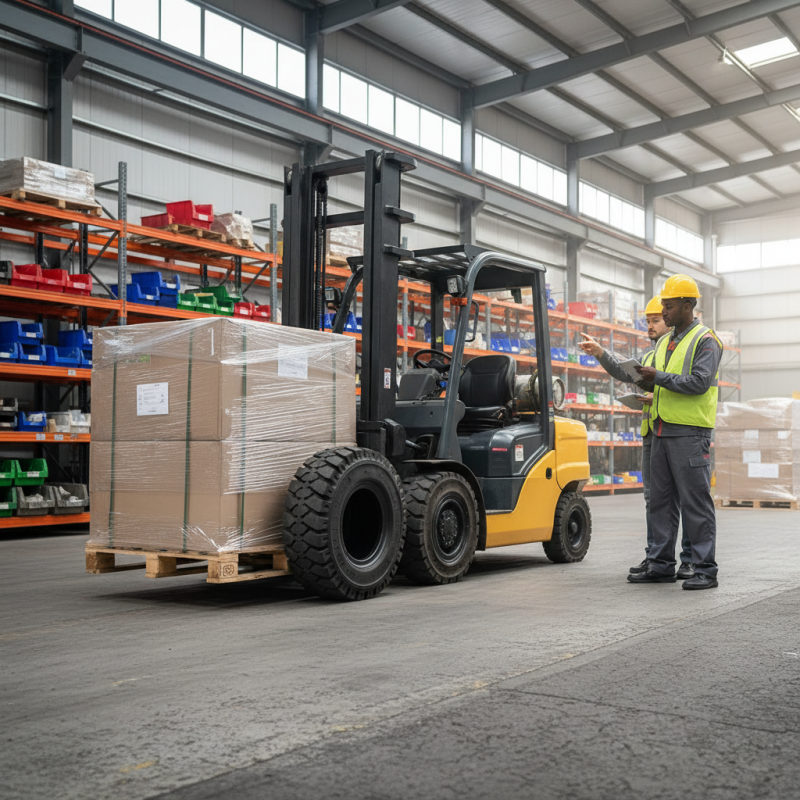
How to Choose the Right Forklift Solid Tires for Your Needs?

Understanding the Basics of Forklift Solid Tires

When selecting forklift solid tires, it is crucial to understand their basic features. Solid tires are designed for durability and puncture resistance. They are often used in environments where sharp objects are common. This makes them a practical choice for warehouses and manufacturing facilities. Their design provides excellent traction on various surfaces, ensuring safety during operation.

Choosing the right solid tire depends on multiple factors. Consider the weight of the loads you handle. Heavier loads may require tougher tires to prevent wear. The surface type also matters. Smooth surfaces need different tire characteristics compared to rough terrains. Observing tire tread patterns can be beneficial. Tread affects stability and grip.

Make sure to assess your specific needs carefully. Different applications demand varying tire performance. An ideal tire should balance durability and comfort. Sometimes, operators overlook the importance of proper installation. Incorrect fitting can lead to premature tire failure. Regular maintenance checks are also essential for extending tire life. These steps are crucial for ensuring efficiency in your operations.

Forklift Solid Tire Selection Based on Load Capacity

This chart illustrates the recommended tire sizes for forklifts based on different load capacities. Proper selection of solid tires is crucial for operational efficiency and safety in handling varying loads.

Types of Solid Tires and Their Applications

Choosing the right solid tires for forklifts requires an understanding of their specific types and applications. Solid tires come in various categories, including polyurethane, rubber, and puncture-resistant variations. Each type offers distinct benefits that can significantly affect warehouse efficiency.

Polyurethane tires are known for their durability and longevity. They perform well on smooth, indoor surfaces. A study from the Industrial Truck Association indicates that these tires can last up to three times longer than traditional pneumatic tires in a warehouse setting. However, they may not offer the best traction on uneven ground.

Rubber solid tires are another option. They provide better grip and stability outdoors. Ideal for environments with rough surfaces, they are less likely to skid. However, they wear more quickly on smooth floors compared to polyurethane tires. Research indicates that businesses should assess their operational environment before choosing tire types. This choice can impact overall productivity and maintenance costs.

Many companies overlook the importance of tire selection, which can lead to safety issues and increased operational expenses. Each application requires careful consideration of tire characteristics. Balancing durability, grip, and surface type is crucial for optimal operational efficiency.

Factors to Consider When Choosing Solid Tires

Choosing the right forklift solid tires is crucial for operational efficiency. When selecting tires, consider the working environment. Smooth surfaces may require different tires than rough terrains. Dust, debris, and moisture can impact tire performance. Evaluate how each tire type interacts with these conditions.

Load capacity is another vital factor. Different tasks demand varying levels of stability and grip. Assess the maximum weight your forklifts will handle. Tires must be able to support these loads without compromising safety. Additionally, consider the expected tire lifespan. A durable tire can be cost-effective in the long run.

Don’t overlook the benefits of specific tread patterns. These patterns affect traction and wear. For example, a deep tread may improve grip on uneven surfaces but can wear out faster on smooth floors. Regularly inspect tires for damage or wear. This ensures optimal performance and safety in operations.

Assessing Your Forklift's Weight and Load Capacity

When selecting forklift solid tires, understanding your forklift's weight and load capacity is crucial. The weight of your forklift significantly impacts tire selection. Heavier forklifts require tires that can endure more stress. Opt for tires that provide excellent traction and durability. It’s wise to check the manufacturer's specifications. Overloading tires can lead to premature wear and potential accidents.

Load capacity is another vital factor. Each tire has a defined load rating. This rating indicates how much weight it can carry safely. Choosing the right tire for your load ensures operational efficiency. Tires that can’t support your load may fail. Regularly evaluating your loads helps maintain safety and performance.

Assessing your needs often reveals gaps in understanding. It's common to undervalue the importance of appropriate tires. Take the time to gather data on your operations. Examine tire wear patterns and performance history. This reflection will guide better decision-making and enhance forklift functionality.

How to Choose the Right Forklift Solid Tires for Your Needs?

Tire Type Weight Capacity (tons) Recommended Load (lbs) Suitable Terrain Tire Life (hours)
Non-Marking Solid Tire 2.0 4000 Indoor/Outdoor 1500
Pneumatic Solid Tire 3.0 6000 Rough Terrain 2000
Flat Free Tire 2.5 5000 Indoor 1200
Heavy Duty Tire 5.0 10000 Outdoor 2500

Maintenance Tips for Solid Tires on Forklifts

Maintaining solid tires on your forklift is essential for optimal performance and safety. Regular inspections can prevent costly breakdowns. Look for visible signs of wear. Cracks or bulges can indicate deeper issues. Be proactive in checking the air pressure, even with solid tires. Proper inflation ensures a smooth ride and reduces strain on forklift components.

Cleaning tires regularly is often overlooked but important. Build-up of dirt and debris can create traction problems. Use a wire brush or pressure washer for effective cleaning. This can extend the life of your tires while promoting better performance. Additionally, check the tread pattern. Uneven wear could signify alignment issues. Addressing these problems early helps maintain productivity.

Don't forget to rotate your tires. This simple practice can prevent uneven wear. Keep a log of tire conditions to track performance over time. Regular maintenance takes effort, but it's worthwhile. In the long run, it contributes to safety and efficiency in your operations. It can be easy to overlook these tasks, but neglecting them can lead to bigger issues down the road.