Skip to content

How to Choose the Right Packaging Machinery for Your Business?

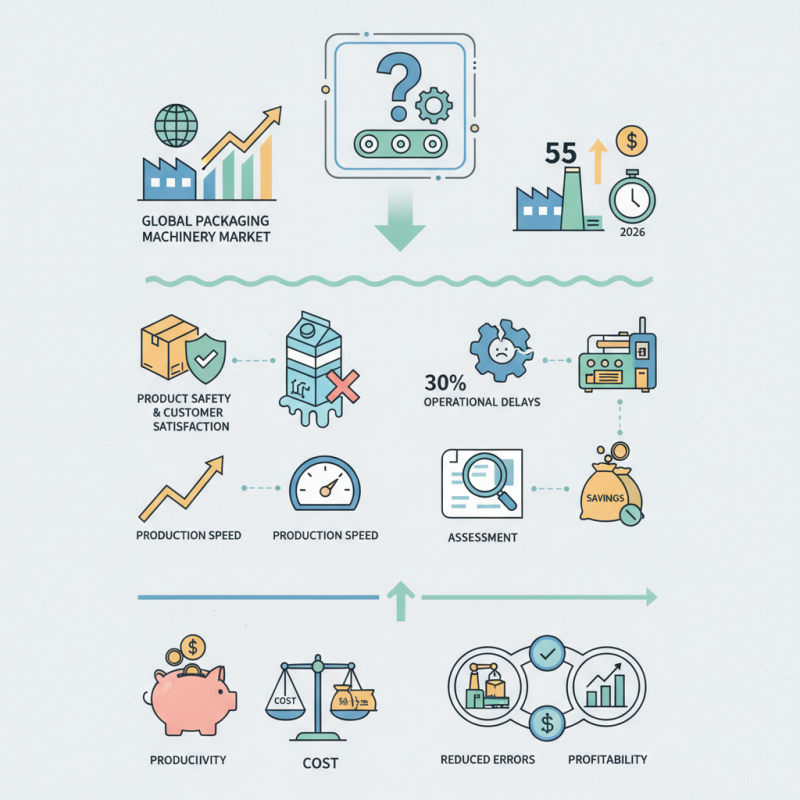
Choosing the right Packaging Machinery is crucial for business success. In a recent report by Smithers Pira, the global packaging machinery market is projected to reach $55 billion by 2026. With such growth, selecting the ideal machinery becomes essential for efficiency and competitiveness.

Packaging machinery not only affects production speed but also impacts product safety and customer satisfaction. For instance, improper packaging can lead to spoilage, especially in the food industry. A study by the Packaging Machinery Manufacturers Institute reveals that 30% of businesses face operational delays due to outdated machines. This statistic calls for a careful assessment of your packaging needs.

Investing in state-of-the-art packaging machinery may seem costly initially. However, it can lead to significant savings over time. Businesses must weigh options carefully, as every choice has advantages and drawbacks. Ultimately, the right machinery enhances productivity, reduces errors, and increases profitability.
How to Choose the Right Packaging Machinery for Your Business?

Understanding Your Packaging Needs and Requirements

Understanding your packaging needs and requirements is vital for any business. Start by evaluating your products. Different items have unique packaging demands. For instance, fragile items require protection during shipping. On the other hand, perishable goods need materials that preserve freshness. Conducting a thorough assessment helps you identify these needs effectively.

Next, consider your production volume. High-volume operations may require automated solutions. Manual packaging might suffice for smaller businesses. Think about your workforce and available space too. Investing in machinery can be daunting, especially if you are unsure of your requirements. It’s crucial to perform cost-benefit analyses. This will help in making informed decisions.

Don't overlook the sustainability aspect. Eco-friendly packaging options are becoming essential. Customers increasingly prefer brands that prioritize the environment. Review the materials you choose carefully. You may find that some options are more costly but offer better long-term savings. Reflect on your packaging journey regularly. This practice will refine your approach as your business grows.

Exploring Different Types of Packaging Machinery

When selecting packaging machinery, it is crucial to understand the various types available. Each type serves a unique purpose, catering to different packaging needs. For instance, filling machines are designed for liquid or dry products, utilizing specific mechanisms to ensure accuracy. They might be suitable for beverages, sauces, or powdered goods. On the other hand, sealing machines work to secure products in their packaging, preventing leaks or spoilage. Choosing the right type depends on your product's nature.

[Image] Another category is labeling machines, which are vital for branding and compliance. They can apply stickers or printed labels quickly and efficiently. This is essential for businesses that require strong shelf appeal. Flow wrapping machines provide another option, perfect for items that need to remain visible through transparent packaging. However, investing in such machinery requires careful consideration of production speed and capacity.

Choosing the correct machinery also involves understanding operational challenges. Some machines may require extensive maintenance, which could affect your workflow. Others might be compatible only with specific packaging materials. Additionally, the cost of investment and potential return on efficiency should be evaluated. Regular assessments of your equipment are necessary to ensure they meet your evolving needs.

Evaluating Key Features and Specifications

When selecting packaging machinery, focus on key features and specifications. Efficiency is crucial. According to industry reports, efficient machinery can reduce operational costs by up to 30%. Consider the speed of packaging. Many machines now offer speeds exceeding 100 packages per minute, depending on the product type. This can significantly enhance production output.

Reliability is another essential factor. Downtime can be costly. On average, businesses face losses of $22,000 for every hour of unplanned downtime. It's important to assess the machine's maintenance requirements. Some high-tech options may require more frequent servicing, which can affect long-term costs.

The flexibility of the machinery also matters. As consumer preferences shift, businesses must adapt quickly. Machines that can handle multiple package sizes and materials often provide better value. Look for features like tool-less changeovers, which can save time during production adjustments. Balancing initial investment with these specifications is vital.

Packaging Machinery Types vs. Popularity

Assessing Budget and Cost-Effectiveness

When evaluating packaging machinery, budget considerations are crucial. Determine how much your business can allocate without sacrificing quality. Cost-effective options could lead to significant savings, but low prices may indicate compromised functionality. Find a balance between affordable machinery and your operational needs.

Consider the total cost of ownership. This includes maintenance, energy consumption, and potential downtime. Cheaper machines might require more repairs or are less efficient. Research different machinery options to understand their longevity and upkeep. A higher initial investment may yield better results over time.

Evaluate financing options if budget constraints are tight. Leasing machinery might be a viable alternative, allowing you to spread out costs. However, be cautious; this approach could lead to higher long-term payments. Continually assess your production goals. If growth is on the horizon, your machinery should support it efficiently.

Identifying Reputable Manufacturers and Suppliers

When selecting packaging machinery, sourcing from reputable manufacturers is crucial. A 2022 industry report highlighted that around 70% of packaging inefficiencies stem from subpar machinery. This emphasizes the need for quality over cost. Researching a manufacturer’s reputation can significantly impact your production line's efficiency and reliability.

Tip: Always check online reviews and case studies from potential suppliers. These can provide insights into customer satisfaction and machinery performance. Attend industry expos to engage with manufacturers directly. Personal interactions can foster better relationships and offer you a glimpse of their innovative designs.

Focus on manufacturers with robust service offerings. A study by Packaging World found that companies prioritizing after-sales support saw a 30% increase in machinery lifespan. This is essential as unexpected breakdowns can lead to costly downtime. Gathering data on a manufacturer's service history will help you make informed decisions.

Tip: Consider reaching out to industry peers for referrals. Trusted recommendations from others who have faced similar challenges can lead you to reliable manufacturers. Engaging with local trade associations may also reveal hidden gems in your region.