How to Choose the Right Photovoltaic Connectors for Your System?
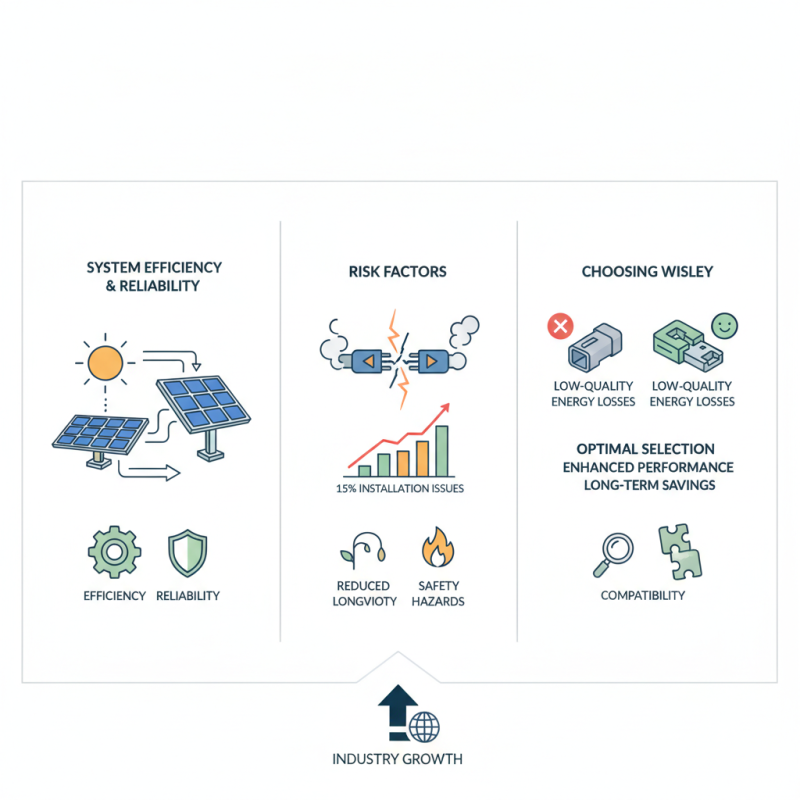
In the rapidly expanding world of renewable energy, the importance of choosing the right Photovoltaic connectors cannot be overstated. According to the International Renewable Energy Agency (IRENA), global solar capacity reached 1,200 gigawatts in 2020, and it continues to grow. This surge highlights the significant role that photovoltaic connectors play in system efficiency and reliability.
Selecting the appropriate connectors is crucial. Poorly chosen connectors can lead to energy losses, reduced system longevity, and safety hazards. Reports indicate that up to 15% of installations experience issues due to improper connector selection. This is a critical concern for both consumers and manufacturers. Therefore, understanding the specifications and compatibility of connectors is vital for enhancing the efficacy of solar installations.
The market offers various options, but not all are equally effective. Some connectors may seem visually attractive or inexpensive but can underperform. The risk of failure is higher with low-quality connectors, leading to maintenance issues down the line. Reflecting on the long-term impact of these choices is essential as the industry continues to evolve.
Understanding the Different Types of Photovoltaic Connectors
When selecting photovoltaic connectors, it's essential to understand the various types available. These connectors vary significantly in design and application, affecting the efficiency of your solar system. Many photovoltaic systems utilize MC4 connectors. They are popular due to their reliability and ease of installation. However, they can sometimes be tricky to manage in tighter spaces.
Another type is the SP connectors, known for their ability to handle higher currents. These connectors might be a better choice for large installations. However, their complexity can lead to installation mistakes. Users may overlook the specifics of weather resistance, compromising long-term performance. Understanding these details is crucial.
Lastly, consider the differences in insulation material and locking mechanisms. Some connectors offer better sealing against moisture. A poor choice here can result in significant failures. Reflect on the environment where these connectors will be used. Each project demands careful consideration of connector types to ensure optimal performance and longevity.
Assessing Compatibility with Your Solar System Components
When selecting photovoltaic connectors, compatibility with solar system components is key. Ensure that connectors match the specifications of your solar panels and inverters. The wrong choice can lead to inefficiencies. You may face issues like overheating or connection failure.
Tip: Always check the voltage and current ratings of your connectors. Mismatches can result in serious damage.
Consider the environmental factors as well. Connectors need to withstand different weather conditions. High temperatures, humidity, and UV exposure can affect performance.
Tip: Look for connectors with high durability ratings. Check for features like waterproofing or corrosion resistance.
Some users overlook the importance of installation. Poor installation can lead to poor performance and safety hazards. Ensure that connections are secure and properly sealed.
Tip: Review installation guidelines thoroughly. Missteps at this stage can be hard to rectify.
Evaluating Performance and Efficiency Metrics of Connectors
When selecting photovoltaic connectors, performance and efficiency metrics are crucial. Connectors play a vital role in energy transmission. Poor connectors can lead to voltage drops and energy losses. According to industry reports, these losses can reach up to 5% in suboptimal conditions.
Efficiency is measurable through various parameters, such as thermal performance and moisture resistance. High-quality connectors often have superior temperature ratings. Many connectors fail under extreme conditions. Studies show that 30% of connector failures occur due to environmental stress. This highlights the need for robust materials.
Additionally, understanding current ratings is essential. Connectors rated for lower currents may overheat, leading to failure. Data indicates that a 10% increase in current can reduce lifetime expectancy significantly. Balancing performance with cost is a challenge. Buyers often settle for cheaper options, leading to long-term inefficiencies. The initial savings might not justify future losses.
Considering Environmental Factors for Connector Durability
When selecting photovoltaic connectors, environmental factors play a crucial role in ensuring system durability. Factors like temperature, humidity, and UV exposure affect connector lifespan significantly. A recent report from the International Energy Agency indicates that improper material choices can diminish efficiency by up to 30%. This highlights the need for careful consideration of the operating environment.
UV radiation continuously degrades certain plastic materials. Connectors exposed to direct sunlight can experience accelerated wear. A study from the Solar Energy Research Institute notes that connectors subjected to coastal environments face corrosion that might decrease their reliability over time. With a projected 5% annual increase in solar installations, understanding these vulnerabilities is essential.
Longevity is often overlooked. Some connectors may meet initial performance requirements but fail under long-term conditions. Testing data shows that connectors with higher IP ratings typically last longer in harsh environments. However, testing conditions may not fully replicate real-world scenarios. This discrepancy can mislead manufacturers and users alike, emphasizing the need for more transparent data.
Selecting Connectors Based on Safety Standards and Certifications
When selecting photovoltaic connectors, safety standards and certifications play a crucial role. These connectors must comply with specific industry regulations. Look for connectors that have undergone rigorous testing. Proper certifications ensure they can withstand environmental challenges. Faulty connectors can lead to serious hazards, so prioritize quality over price.
Consider the ratings for voltage and current. Ensure they match your system's requirements. Waterproof and UV resistant properties are essential. Connectors used outdoors face harsh conditions. Non-compliance with safety standards can compromise performance and longevity. Failing to consider these needs can result in failures down the line.
Reflect on the installation process as well. It’s not just about picking the right connectors. Proper installation is key to safety and effectiveness. Incorrectly installed connectors can fail. Regular inspections are beneficial. Knowledge of safety standards should guide choices. Connectors should meet your system’s needs while prioritizing safety.