Skip to content

How to Choose the Best Audio Door Intercom for Your Needs?

When selecting an Audio Door Intercom, it's essential to focus on your unique requirements. The global intercom systems market is projected to reach $5.45 billion by 2027, reflecting the growing demand for security and communication technology. This statistic highlights the importance of making an informed choice.

Audio Door Intercom systems offer both convenience and improved safety. They allow homeowners to communicate easily with visitors, eliminating the need for physical interaction. However, not all intercom systems provide the same features. Factors like sound quality, installation complexity, and compatibility with smart home systems can vary greatly.

A poor choice can lead to dissatisfaction or security risks. It’s crucial to weigh the durability and reliability of different models. While researching, pay attention to user reviews and technical specifications. This will guide you in making a well-informed decision that best fits your lifestyle and security needs.
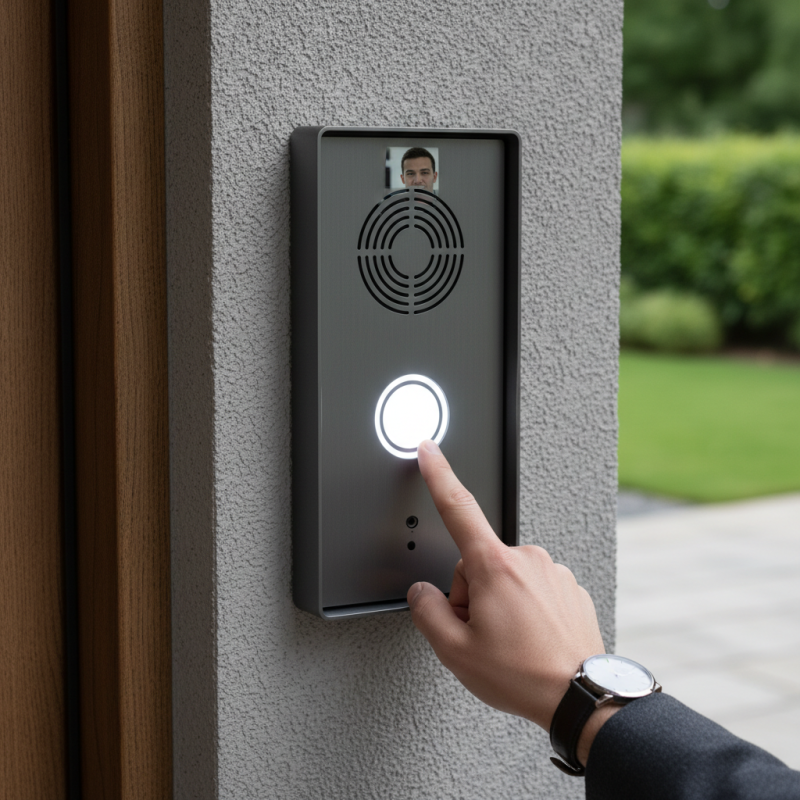
How to Choose the Best Audio Door Intercom for Your Needs?

Understanding the Basics of Audio Door Intercom Systems

Audio door intercom systems serve as a vital communication link between inhabitants and visitors. These systems are often connected via low-voltage wiring, allowing for easy installation in homes and residential buildings. According to recent reports, the market for audio intercom systems is expected to grow significantly, with a projected growth rate of 10% annually over the next five years. This reflects an increasing focus on home security technology.

When selecting an audio door intercom, consider the sound quality and the ease of use. High-quality systems should transmit clear audio. Factors like background noise can affect performance. Ideally, intercom systems should also integrate seamlessly with existing security devices, such as cameras and alarms. Many users overlook compatibility during their purchasing process, leading to suboptimal installation setups.

Moreover, battery life and maintenance play a crucial role. Some systems require frequent battery replacement, which can be inconvenient. It's essential to assess your own needs and lifestyle to determine how often you will use the intercom. Ensure you choose a system that aligns with your daily life—functionality varies widely across different products. Thus, it’s worth investing time in research to find the right fit.

Key Features to Consider When Choosing an Audio Door Intercom

When selecting an audio door intercom, it's vital to consider several key features. First is the audio quality. A clear sound is essential for effective communication. Studies indicate that 75% of users prefer devices with noise reduction capabilities. This feature minimizes background noise, ensuring you hear the visitor distinctly. Low-quality audio can lead to misunderstandings, which could be detrimental.

Next, the installation process should be straightforward. Many audio intercoms claim easy setup, but user reviews suggest that installation can often be more complicated than advertised. Look for devices with clear instructions and minimal technical requirements. Wireless options tend to be more user-friendly, avoiding the hassle of wiring.

Additional features like volume control and compatibility with other devices are also important. A study revealed that 60% of respondents value systems that integrate well with existing smart home setups. This ensures that your intercom isn't just a standalone device but part of a larger security solution. However, many users report frustration due to compatibility issues, so careful research is necessary.

Comparing Wired vs. Wireless Audio Door Intercom Options

When choosing an audio door intercom, understanding the differences between wired and wireless options is crucial. Wired intercoms often provide a stable connection. They can deliver superior audio quality. According to a report from the National Institute of Standards and Technology, wired systems reduce interference, ensuring clearer communication. However, the installation can be complex. Running cables through walls is not always feasible, especially in older buildings.

On the other hand, wireless audio intercoms offer flexibility and ease of installation. They use Wi-Fi or radio signals. A survey by the Consumer Technology Association indicates that 55% of homeowners prefer wireless intercoms for their convenience. Installation can be done quickly and can often be moved if needed. However, wireless systems might experience connectivity issues depending on the home’s layout. Walls and electronic devices can sometimes disrupt signals, leading to poor audio quality.

Wireless systems are generally more suitable for modern homes or rental properties. Yet, the choice ultimately depends on individual needs. Homeowners must weigh the benefits of minimal installation effort against the potential risks of signal interference. It's essential to consider long-term usability and reliability based on your living environment.

Comparison of Wired vs. Wireless Audio Door Intercom Options

Evaluating Sound Quality and Audio Clarity in Intercoms

When evaluating sound quality and audio clarity in intercoms, various factors come into play. The clarity of audio is crucial for effective communication. Poor sound can lead to misunderstandings. Look for intercoms that offer noise reduction features. This can help eliminate background sounds that interfere with conversations.

One key aspect to assess is the audio range. A wide frequency response typically results in richer sound quality. Ensure the intercom delivers clear speech without distortion. Testing the device in different environments can reveal its limitations. Consider how it performs in noisy areas versus quiet ones.

Volume control is another vital feature. Intercoms should have adjustable settings to accommodate various hearing needs. While some may have loud outputs, others might seem muted. It's essential to find a balance that suits your specific requirements. Inconsistent performance can be frustrating. So, it's wise to seek feedback from actual users about their experiences.

Assessing Compatibility with Existing Security and Smart Home Systems

When choosing an audio door intercom, compatibility is key. Assess how well it integrates with your existing security systems. Look for features that allow seamless operation with cameras, alarms, and other smart devices. Ensure the intercom can communicate effectively with your current setup. This prevents potential issues down the line.

Evaluate your smart home ecosystem. Some intercoms may connect better with certain platforms. It's crucial to check if the intercom supports protocols like Wi-Fi or Z-Wave. This helps to avoid installation headaches. Not all devices play nicely together. You're aiming for a cohesive security experience.

Consider the usability of the system. A complicated interface can lead to frustration. You may need additional training for family members. Read user reviews to gauge real-world functionality. Look for feedback on common problems. Recognizing these issues can help you make a more informed choice. It’s about finding a balance between features and practical application.