Skip to content

How to Choose the Best Electric Pesticide Sprayers for You?

In the world of agriculture and pest management, choosing the right tools is crucial. Electric Pesticide Sprayers have gained significant attention for their efficiency and effectiveness. According to a recent market analysis by ResearchAndMarkets, the global electric sprayer market is projected to grow steadily, reflecting increasing demand in both commercial and residential sectors.

These sprayers offer unique advantages over traditional methods. They minimize chemical exposure and reduce environmental impact. However, selecting the best electric pesticide sprayer can be challenging due to the variety of options available. Factors such as pump pressure, battery life, and tank capacity play vital roles in performance. Industry experts suggest that understanding these features is crucial for optimal use.

It is important to consider both professional advice and user experiences when making a selection. Reviews and customer feedback often reveal both strengths and weaknesses. Not every sprayer will meet all needs perfectly. Reflecting on these aspects can lead to a more informed choice and better pest management outcomes.
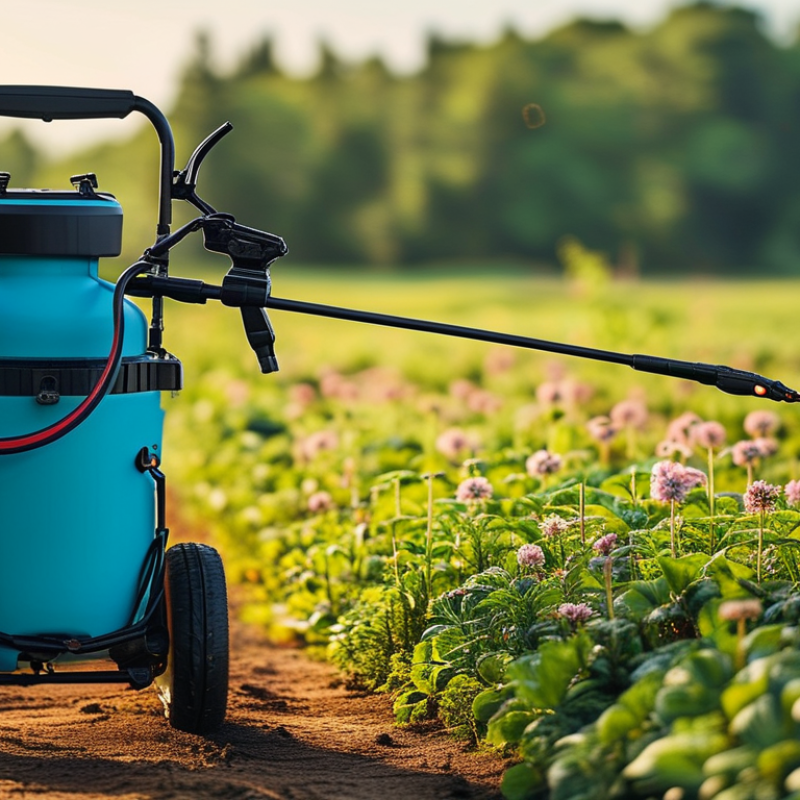
How to Choose the Best Electric Pesticide Sprayers for You?

Understanding the Importance of Electric Pesticide Sprayers

Electric pesticide sprayers have a pivotal role in modern agriculture. They provide efficiency and precision, helping farmers protect their crops effectively. According to a 2022 report by the International Society for Horticultural Science, using electric sprayers can increase pesticide application efficiency by up to 30%. This improvement not only maximizes crop yield but also minimizes chemical wastage.

One key advantage of these sprayers is their battery-powered operation. This feature allows for mobility and ease of use. In remote fields, where traditional sprayers fall short, electric options shine. However, farmers must consider battery life and tank capacity. A sprayer that runs out of power mid-application can lead to incomplete coverage, potentially harming crops.

Moreover, the technology behind electric sprayers is continually advancing. Many models now include precision nozzles that can reduce drift and ensure targeted application. A study by the Agricultural Equipment Manufacturers Association highlights that optimal nozzle design can improve droplet size efficiency by 20%. Adopting this technology can lead to better pest control while protecting beneficial insects. Yet, it is also essential to reflect on environmental impacts. Sustainable usage practices should always be emphasized. Balancing productivity and ecological responsibility remains a critical consideration.

Key Features to Consider When Choosing Electric Sprayers

When selecting an electric pesticide sprayer, consider key features that fit your specific needs. The spray capacity is crucial. Larger capacities mean fewer refills during usage. Look for models that offer adjustable spray patterns for different tasks. This versatility can greatly enhance efficiency.

Battery life is another important factor. A sprayer with long-lasting power allows for uninterrupted work. Heavy-duty models often come with fast-charging options. This means you spend less time waiting and more time spraying.

Tips for choosing the right sprayer include checking the weight. If it's too heavy, it becomes a hassle to use over time. Comfort is vital; ergonomic handles can make a notable difference. Always refer to user reviews to gauge reliability. Real experiences offer insights that specifications might miss. Evaluate all features and weigh them against your requirements. Remember, not every high-rated sprayer is perfect for your situation.

Types of Electric Pesticide Sprayers Available on the Market

Electric pesticide sprayers come in various types, catering to different needs and preferences. Backpacks are popular for their portability. They allow users to cover large areas without fatigue. These sprayers often feature adjustable nozzles for precise application. Battery life varies, so checking specifications is vital.


Handheld electric sprayers are ideal for small gardens or indoor plants. Their lightweight design makes them easy to maneuver. Many models have a compact build, which simplifies storage. However, users should consider their tank capacity. Frequent refills may be necessary for larger tasks.


Tow-behind sprayers suit larger properties. They connect to a lawn mower or ATV. This type saves time and effort. However, they can be more challenging to manage. Users might find it hard to navigate tight spots. In addition, maintenance can be a concern. Understanding the differences between sprayer types helps in making an informed choice. Doing proper research is essential.

Evaluating the Performance and Efficiency of Sprayers

When selecting an electric pesticide sprayer, performance and efficiency are key factors. A sprayer's performance is determined by its motor power, spray pattern, and nozzle types. A strong motor ensures a consistent flow, vital for effective pesticide application. For instance, adjustable nozzles offer versatility for different pests and plants.

Efficiency also matters. Look for sprayers with a large tank capacity to minimize refills during extensive tasks. Battery life is another crucial element. A unit that lasts longer on a single charge enhances productivity. However, not all sprayers deliver their promised efficiency. Some may struggle to maintain pressure over time. It’s essential to research user reviews and real-world experiences to gauge reliability.

Comfort and ease of use can impact your working efficiency too. Lightweight models reduce fatigue during prolonged use. Ergonomic designs can make spraying more manageable. Remember, what works well for one person may not suit another. Testing different models before purchasing can offer important insights, allowing for better-informed decisions.

Maintenance Tips for Longevity of Electric Pesticide Sprayers

Maintaining your electric pesticide sprayer is essential for ensuring its longevity and effectiveness. Regular cleaning is a must after each use. Residual chemicals can corrode parts over time. Rinse the tank thoroughly and clean the nozzle with warm water. This will prevent clogs and maintain spray performance.

Inspect the battery regularly. Ensure it is charged correctly and stored in a controlled environment. High temperatures can shorten battery life. Replacing worn out or damaged hoses can also be crucial. A small leak can lead to larger issues, wasting chemicals and impacting efficiency.

Store your sprayer in a cool, dry place. Exposure to moisture can cause rust and mildew. Additionally, check the seals and gaskets periodically. Deteriorated seals can lead to leaks. Investing time in maintenance can save you money in the long run. Each small step contributes to the overall functionality of your sprayer.

Comparison of Electric Pesticide Sprayers Performance

This bar chart compares several performance metrics of electric pesticide sprayers, including spray range, battery life, weight, tank capacity, and price. This can help you determine which sprayer best fits your needs based on these important factors.