How to Choose the Best Geomembrane Welding Machine?
Choosing the best geomembrane welding machine is crucial for successful projects. The right machine affects durability and performance. In the construction and environmental protection sectors, geomembranes serve essential purposes. They prevent liquid migration, ensuring safety and efficiency.
Many options exist in the market, but not all machines meet project needs. Factors like working temperature, welding speed, and energy consumption matter greatly. Users should consider brand reputation and after-sales support as well. A high-priced geomembrane welding machine does not guarantee quality. It's essential to evaluate specifications thoroughly.
Certain features distinguish high-quality machines. Look for options with adjustable settings for varied materials. This flexibility can save time and resources. However, choosing a machine can be overwhelming. Researching, testing, and comparing can lead to better decision-making. Remember, investing time in selecting the right geomembrane welding machine pays off in the long run.
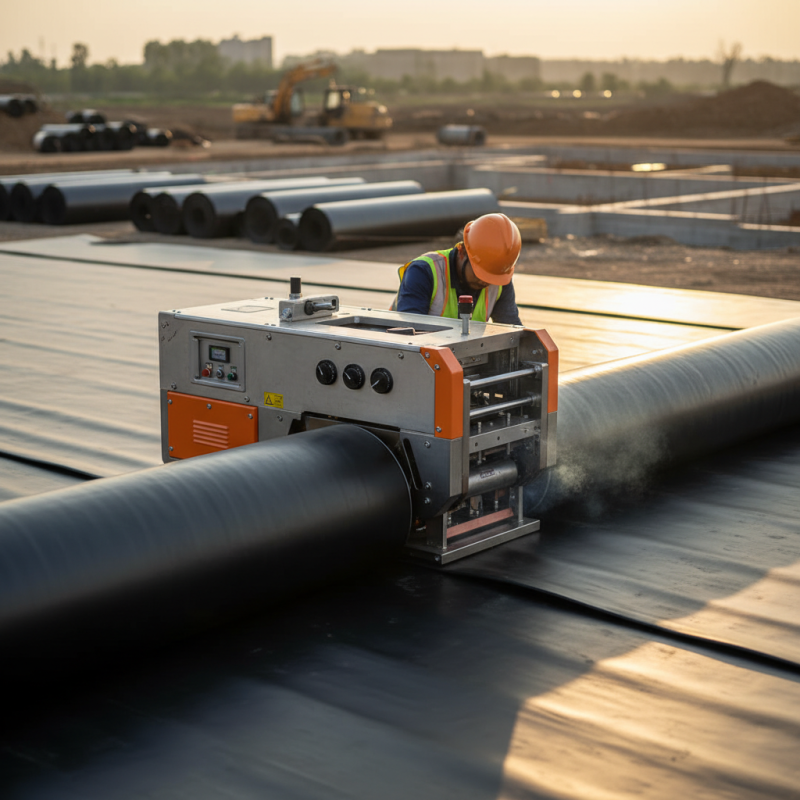
Understanding Geomembrane Welding: Key Considerations
When selecting geomembrane welding machines, understanding key factors is essential. The quality of the weld is crucial. Reports show that improper welding can lead to significant leakage. A study by the Geosynthetics Institute found that defective seams account for over 30% of failures in landfill liners. This highlights the importance of choosing reliable equipment.
Temperature control is another critical aspect. Overheating can damage materials. A precision welding machine enables an optimal temperature range, typically between 250°F and 540°F. Accurate heat settings can increase seam strength and durability. Data indicates that seams that are too hot can lose up to 20% of their strength.
Consider the machine’s versatility, too. A good machine should handle various material types, like HDPE and LLDPE. However, not all machines have this capability. Some may struggle with thicker membranes, leading to inconsistent welds. This limitation could impact project timelines and budget. Investing in a more flexible machine might prevent future complications.
Types of Geomembrane Welding Machines and Their Applications
When choosing a geomembrane welding machine, understanding the different types available is crucial. There are mainly three types: hot air welders, extrusion welders, and laser welders. Each type offers unique advantages based on the application.
Hot air welders are popular for their simplicity. They work by blowing hot air into the seams of the geomembrane. This type is ideal for smaller projects and repairs. However, beginners might find it challenging to achieve perfect seams without practice.
Extrusion welders are more advanced. They melt plastic material to fill gaps during welding. This makes them suitable for larger projects and thicker materials. Yet, controlling the heat can be tricky. A slight error may lead to poor sealing.
Laser welders offer precision. They use focused light for welding. This method provides clean joints and reduces material use. However, the initial investment is high, and operation requires skilled personnel.
Tip: Always test the machine on scrap material first. This helps ensure the settings are right for the specific geomembrane.
Tip: Consider project size when selecting a machine. A smaller project may not require an expensive unit. Save costs where possible.
In the end, evaluating your specific needs will allow you to make a more informed choice. Every method has its pros and cons, so thoughtful consideration is key.
Factors Influencing the Selection of Welding Machines
When choosing a geomembrane welding machine, several factors play a crucial role. Operator experience is paramount. According to industry reports, skilled operators can increase efficiency by 30%. Training is essential. Advanced machines may require specialized skills. Complicated setups can lead to mistakes that compromise weld integrity.
Material compatibility is another key factor. Different types of geomembranes, like HDPE and B>, require specific machines. A mismatch can lead to failures. For instance, welding techniques vary significantly between materials. Reports indicate that improper material use results in over 20% of project delays.
Consider the machine's specifications. The welding speed, heat control, and pressure settings should match your project needs. Some machines may lack versatility. A recent survey found that about 25% of users reported dissatisfaction with machine performance due to inadequate features. Balancing cost and capability can be challenging. Often, a budget-friendly choice may not meet all requirements. Adequate research is essential to avoid common pitfalls in equipment selection.
Essential Features to Look for in a Welding Machine
When choosing a geomembrane welding machine, focus on essential features. A reliable machine should have adjustable temperature settings. This capability allows operators to control heat according to material specifications. Consistent heating ensures better fusion and stronger seams. Look for machines with dual-track welding options. This feature can enhance efficiency, saving both time and materials.
Another important aspect is the machine's mobility. A lightweight design can make it easier to transport to various job sites. However, balance this with stability. If a machine is too light, it may be challenging to control during operation. Additionally, consider the ease of maintenance. Machines with accessible components simplify repairs. Regular maintenance can extend the life of the equipment.
Compatibility with different geomembrane materials is crucial. Not all machines work with every type of membrane. Check the welding technology used as well. Some machines provide advanced features that help prevent errors. However, not every advanced feature is necessary for every project. Evaluating your specific needs can guide you in the right direction.
Safety and Maintenance Practices for Welding Equipment
When working with geomembrane welding machines, safety is paramount. Proper training for operators is crucial. They should understand the equipment's functions and potential hazards. Wearing personal protective equipment is essential. Safety glasses, gloves, and helmets can prevent serious injuries. Regular safety drills can help reinforce these practices.
Maintenance of welding equipment cannot be overlooked. Machines require routine checks to ensure they function optimally. Inspect the welding heads regularly for signs of wear. Any irregularities can lead to defects in the welding process. Clean the equipment after each use to avoid contamination. Dust and debris can interfere with operation.
Documentation of maintenance practices is often neglected. Keeping a detailed log can help track issues over time. This log can also provide insights for future improvements. A proactive approach to maintenance promotes longer equipment life and fewer accidents. Reflecting on past practices can lead to better outcomes in safety and performance.