Skip to content

How to Choose the Best Hengchang Quilting Machine?

Choosing a Hengchang Quilting Machine starts with the work you plan to do, not with the longest feature list. A good fit depends on quilt size, fabric layers, available workspace, and how often you sew. Picture a large quilt spread across a table, or a small patchwork block that needs steady stitching. Those jobs place different demands on a machine. Details matter.

Before comparing models, check the manufacturer’s specifications for throat space, stitch options, speed control, included accessories, and maintenance needs. Confirm what comes with the exact model you are considering; listings can differ by seller or package. If possible, watch a demonstration or stitch a sample using fabric and batting similar to your own. Look for even stitches, manageable controls, and a frame or table that suits your room. A spec sheet cannot tell the whole story.

This guide will help you weigh practical features against budget, support, and long-term use. Ask about warranty coverage and replacement-part availability, and keep the product documents for reference. These checks cannot guarantee a perfect purchase, but they can reduce avoidable surprises. Your pace and preferences matter, too. Start with your needs. A machine that feels capable in a showroom may feel different during a long session at home. Comparisons can be messy, especially when model names and bundles are presented inconsistently. The aim is not to find a machine that does everything. It is to choose a Hengchang Quilting Machine that fits your projects, space, and skill level, with clear expectations from the start.
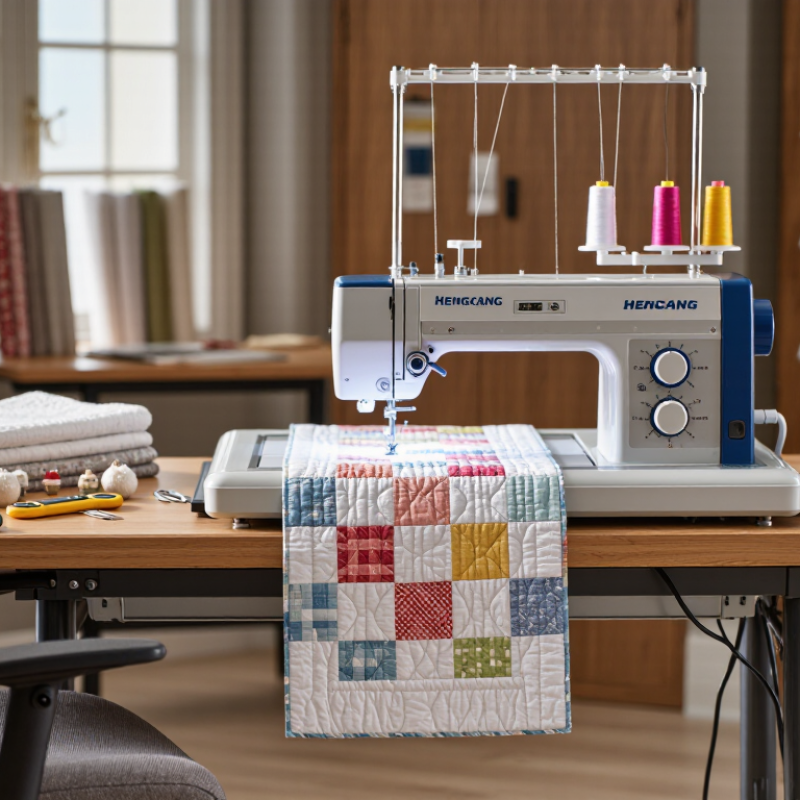
How to Choose the Best Hengchang Quilting Machine?

Define Your Quilting Needs and Project Requirements

Before choosing a quilting machine, describe the work you actually plan to sew. A table runner needs less throat space than a queen-size quilt, which must move smoothly beneath the needle. Measure your largest quilt top, then allow extra room for batting and backing. Check the machine’s throat space against that real measurement, not just a product photo.

Think about fabric, layers, and stitch style. Cotton with thin batting behaves differently from a dense quilt sandwich with textured backing. If you make detailed curves, test how easily the machine changes direction. For long straight lines, prioritize steady speed and a comfortable working position. Small details matter. Also consider where the machine will sit, how much table space you have, and whether its weight makes setup difficult. A powerful model is not automatically the right fit.

Before buying, test a layered sample using fabrics and batting similar to your project. Notice whether stitches stay even when you slow down, and whether the needle area remains easy to see. Ask about routine maintenance, compatible needles, and access to clear support instructions. Set a realistic budget that includes useful accessories, not just the machine. Your first estimate may be off; revise it after measuring and testing.

Compare Hengchang Machine Types and Workspace Needs

Longarm, midarm, and sit-down machines suit different quilting routines. A longarm mounted on a frame lets you move the machine over a quilt, making large projects easier to handle. It also needs substantial floor space. Measure the frame’s full footprint, not just the machine head.

A midarm setup usually pairs a smaller machine with a shorter frame. It can fit a spare room, but you still need room to load fabric and walk around the frame. A sit-down machine uses less space because the quilt moves beneath the needle. It may be practical for smaller rooms and detailed work, though managing a large quilt can feel cumbersome. Try the motion if possible.

Measure twice. Check doorways, ceiling height, and the path from the entrance to the workspace before choosing a machine. Leave clearance for the frame, chair, and fabric tails, and make sure outlets are reachable without stretching cords across walkways. Good lighting helps you spot uneven stitches. One easy mistake is trusting a floor plan alone; fabric can bunch where the drawing shows open space. Your project size matters, too. A compact setup may be enough for table runners, while frequent bed-sized quilts call for more room and smoother fabric handling.

How to Choose a Quilting Machine: Workspace Needs by Machine Type

Compare estimated floor space for common quilting-machine setups. Larger machines and frames need more room for the equipment, operator movement, and fabric handling.

Workspace figures are practical planning estimates, not universal specifications. Actual needs vary by machine, frame, quilt size, and room layout; check the equipment dimensions and recommended clearances before setting up.

Assess Stitching Features, Speed, and Ease of Use

A quilting machine should handle more than straight seams. Check whether it offers adjustable stitch length, reliable needle positioning, and a walking foot or compatible feed system for layered fabric. ISO 4915 classifies stitches into six groups, including lockstitch and chainstitch types; this is a useful reminder that stitch names describe different structures, not automatic quality. Test several samples: cotton, batting, and backing. Watch for skipped stitches, puckering, and uneven tension. Small flaws show quickly.

Speed matters, but maximum stitches per minute is not the whole story. Grand View Research’s 2022 sewing-machine market analysis valued the global market at about US$4.4 billion and projected 5.3% annual growth through 2030. That market figure signals broad demand, not quilting performance, so judge the machine on your own work. Try a slow curve, a stop at a corner, and a long seam with your usual quilt sandwich. Test slowly. Note whether the pedal responds predictably and whether the machine stays steady. Ease of use lives in details: clear controls, accessible thread paths, and a table that supports bulky fabric. I would not choose on speed alone; even a capable machine can feel awkward after an hour. There is no perfect setting. A short test can still miss problems that appear on a full quilt.

How to Choose a Quilting Machine? — Assess Stitching Features, Speed, and Ease of Use

Machine Setup Stitching Features to Check Speed and Control Workspace and Handling Best Suited To
Domestic sewing machine with quilting features Check for a walking foot, free-motion foot, adjustable presser-foot pressure, and needle-position control. Availability varies by model. A foot pedal is common; some models also offer speed limiting. Compare the stated maximum speed and how easily it can be controlled. The space between the needle and machine body is usually more limited than on quilting-focused machines, so handling a large quilt can take more effort. Piecing, smaller projects, and occasional quilting where compact size and general sewing functions matter.
Mid-arm quilting machine Look for free-motion capability and confirm whether stitch regulation is included or optional. Check which feet and accessories are supplied. Maximum speed and control options differ by model. Test gradual speed changes and whether the machine maintains a comfortable pace for your work. Typically provides more quilting space than a domestic setup. Table or frame requirements, usable throat space, and quilt-loading method vary. Quilters who want a larger working area for frequent projects but do not need a full longarm setup.
Longarm quilting machine Check free-motion operation, stitch-regulation options, needle controls, and compatibility with the intended frame or table. Verify what is included in the configuration. Machines may offer higher stated maximum speeds, but actual usable speed depends on the model, operator, and quilting design. Review speed controls and regulation modes. Designed to accommodate larger quilting areas; frame size, available throat space, room requirements, and loading systems are configuration-dependent. Large quilts, regular quilting work, or users who need an expansive workspace and are prepared for the space and setup requirements.
Any setup: hands-on evaluation Sew sample lines and curves with the fabrics and batting you expect to use. Check stitch consistency, thread handling, and ease of changing settings. Ask for the manufacturer’s stated speed and test whether the controls let you work comfortably at both slow and faster speeds. Check visibility, reach to the controls, workspace dimensions, setup needs, and whether the quilt can be maneuvered without strain. Anyone comparing machines: hands-on testing and model specifications provide a more reliable basis than speed alone.

Specifications and included features vary by model and configuration. Confirm the manufacturer’s documentation, workspace measurements, and accessory compatibility before purchasing.

Check Maintenance, Warranty, and Total Cost

A quilting machine’s purchase price is only the first cost. Ask how often the hook, feed system, and rails need cleaning or adjustment, and whether routine servicing requires a technician. Check that the manual lists maintenance intervals and compatible replacement parts. A simple service log can track dates, stitch hours, skipped stitches, and repairs. Small details matter. A dusty workshop or long daily runs can change how often a machine needs attention.

Read the warranty line by line. Confirm the coverage period for parts and labor, who pays shipping, and whether wear items or technician visits are excluded. Then estimate total cost over several years: accessories, needles, bobbins, servicing, training, and lost production during repairs. The U.S. Department of Energy’s Operations & Maintenance Best Practices guide reports that predictive maintenance can save 8–12% compared with preventive maintenance, and 25–30% compared with reactive maintenance. Those figures come from broader facility operations, not quilting machines, so treat them as context, not a guaranteed saving. Not always. For a small studio, a service plan may cost more than occasional repairs; compare local technician rates and response times before deciding. A low purchase price can still become expensive when parts are hard to source.

Test Suitable Models and Choose the Best Fit

Take the same fabric, batting, and backing to test each quilting machine. Sew a straight line, a tight curve, and a pivot through your usual layer stack. Test with layers. Listen for changes in motor sound, watch for fabric drag, and check whether stitches stay even at both slow and moderate speeds. A large throat space helps with bulky quilts, but it may matter less for small projects.

Grand View Research’s 2023 sewing-machine market report estimated the global market at US$4.4 billion in 2022, with projected annual growth of 5.3% through 2030. This broad market figure signals ongoing demand, not which machine will suit your work. Not just speed. Compare practical details: needle visibility, presser-foot lift, feed consistency, and how easily you can adjust tension. Record the settings used for each test; otherwise, comparisons can become misleading.

Ask to test the machine you are considering, rather than relying on a demonstration sewn by someone else. Try threading it, changing the needle, and guiding a quilt sandwich around a corner. Small differences matter. Note any skipped stitches, puckering, or strain in your shoulders after several minutes. One imperfect test is still useful: it may reveal that the needle, thread, or fabric setup needs adjustment before you judge the machine itself.