Choosing the right micro switches for your project can be challenging. Micro switches are small, but they play a crucial role in many devices. They are reliable and can last a long time under proper conditions. However, selecting the wrong one may lead to project failure.
When evaluating micro switches, consider their specifications. Factors like voltage, current rating, and actuation force matter significantly. A switch that cannot handle the required load may not function properly. Also, think about the environment. Does your project require a switch resistant to dust or moisture? Some micro switches have features that protect against these elements.
Reflect on your needs carefully. Testing different micro switches in real scenarios helps identify the best option. Pay attention to the feel and feedback when actuating the switch; this can impact user experience. Although it might seem simple, choosing the right micro switches is an essential step for project success.
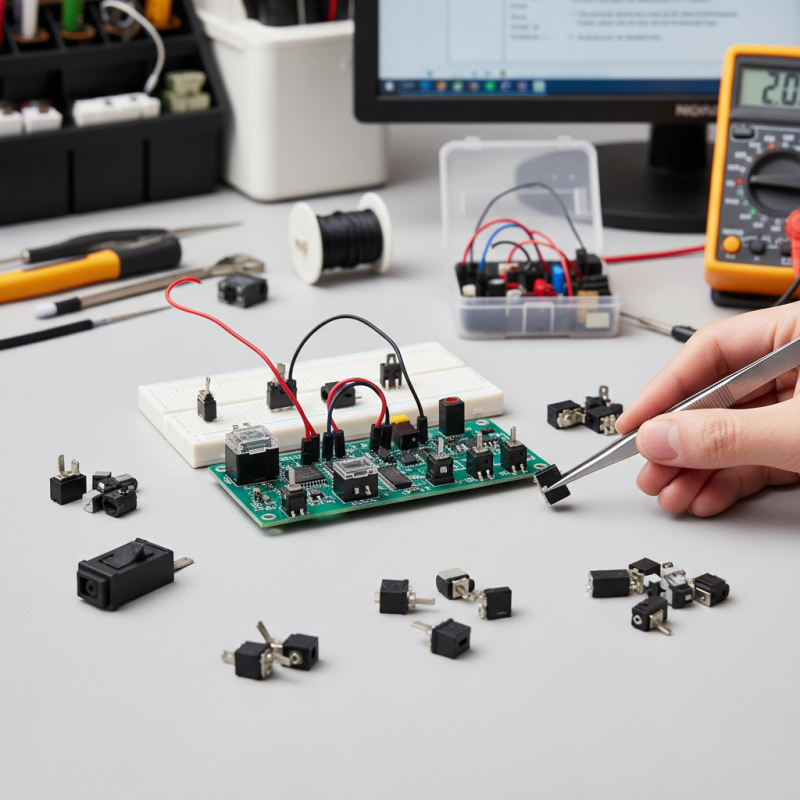
Micro switches are essential components in various devices. They are small but mighty, often found in appliances, vehicles, and industrial machines. Understanding their basics is crucial when selecting the right one for your project. These switches operate with a simple mechanism: a lever or button that activates the switch when pressed. Their compact size makes them versatile, but not all micro switches are the same.
When choosing a micro switch, consider the specifications. The operating force, travel distance, and electrical rating all matter. A higher operating force means more pressure is needed to activate the switch. This can be beneficial in applications requiring precision. However, too much force can lead to user discomfort. That's something to ponder.
Durability is another aspect to reflect on. Some micro switches can withstand thousands of activations, while others may wear out quickly. If your project demands longevity, choose accordingly. Remember, neglecting to analyze these details can lead to future problems. Small choices can have significant consequences.
| Feature | Description | Applications | Operating Force (gf) | Life Cycle |
|---|---|---|---|---|
| SPDT (Single Pole Double Throw) | A switch with one common terminal and two outputs. | Home appliances, alarms, and electronics. | 150-300 gf | 1 million cycles |
| DPDT (Double Pole Double Throw) | A switch with two common terminals and two outputs for each pole. | Industrial equipment, motor controls. | 200-400 gf | 500,000 cycles |
| Momentary Switch | A switch that only stays in the on position while being pressed. | Control panels, remote controls. | 100-250 gf | 10 million cycles |
| Limit Switch | A switch that is activated when a specific physical condition is met. | Machine automation, conveyor systems. | 300-500 gf | 5 million cycles |
When selecting a micro switch for your project, understanding your project requirements is essential. Analyze the application environment first. Temperature, humidity, and exposure to contaminants can affect switch performance. According to industry reports, approximately 30% of switch failures occur due to environmental factors. This highlights the need to select a switch rated for your specific conditions.
Next, consider electrical specifications. Voltage and current ratings are critical. Micro switches come with different ratings, impacting their suitability for your project. A study from the International Electrotechnical Commission suggests that mismatched ratings contribute to about 25% of early switch failures. Ensure the switch can handle the load without overheating or creating shorts.
Lastly, look at mechanical factors. The actuation mechanism must align with your application. Different designs offer varying levels of sensitivity and durability. Not all switches are created equal. Some designs may excel in one area but underperform in another. Evaluating these aspects can prevent common pitfalls, but it’s crucial to remain aware of evolving technology and user feedback. Balancing specifications and practical needs can lead to better long-term results.
Choosing the right micro switch involves understanding various types. Each type has unique functions and specifications. For example, snap-action switches are commonly used in safety applications. They provide a quick response, triggering under a specific pressure. This feature is critical in many devices.
Consider size when selecting a micro switch. A larger switch may not fit in compact designs. You may face challenges during installation. If a space is too tight, the switch could get stuck. Don't overlook the mounting style, either. Some require specific hardware, while others integrate easily.
Tips: Assess your project needs. Are you prioritizing speed or durability? Testing a few models can yield insights. You'll quickly notice how different types operate. It's worth considering both cost and performance. Buy what meets your requirements, but always have a backup plan. Expect some trial and error. Learning is part of the process, and reflection can lead to better choices.
Evaluating key features and performance criteria is crucial when choosing a micro switch for your project. First, pay attention to the switch's actuation force. Report data shows that optimal actuation force typically varies between 100g to 300g. A switch that requires too much force can hinder usability. Conversely, a force that is too light may lead to accidental activation.
Consider the lifespan of the switch. Many micro switches are rated for 100,000 cycles, but some industrial applications demand higher durability. A lower lifespan means more frequent replacements, impacting project costs. Moreover, the switch should meet environmental requirements, such as temperature range and humidity resistance. An unsuited switch may fail prematurely under varying conditions.
Another factor is the electrical specifications. Different projects need specific current ratings and voltage levels. Selecting a switch with inadequate ratings may lead to malfunction. Interestingly, some reports indicate that about 20% of project failures stem from using inappropriate micro switches. It’s a reminder to evaluate all specifications meticulously. Ignoring these could result in significant issues down the line.
Choosing the right micro switch can be tricky. Consider the specific needs for your project. Think about the voltage and current ratings. Make sure the switch can handle your requirements. Understanding the load is vital. A mismatch could lead to failure.
Look at the actuator type, too. Different projects may need various actuators. Options range from levers to buttons. If you overlook this, you might find the switch does not fit your design. Take your time to evaluate what actuators work best.
Material quality also matters. Some may resist wear better than others. If your application involves frequent use, durability is crucial. Examine your environment as well. Temperature and humidity can affect performance. Reflect on all these factors to make an informed decision.