How to Choose the Right Quick Coupler Connection for Your Needs?
In the world of construction and heavy machinery, selecting the right Quick Coupler Connection is crucial. Industry expert John Miller, a renowned mechanical engineer, emphasizes, "The right coupler decision can significantly enhance productivity and safety on site." This statement underlines the importance of considering specific needs when choosing a connection type.
Quick Coupler Connections are key components that allow quick attachment and detachment of tools. Depending on the application, the wrong choice can lead to inefficiencies or failures. For instance, using a coupler not designed for a specific machine can result in costly downtime. Understanding the details of various coupler types is essential for optimal performance.
It’s easy to overlook the nuances. Different jobs require different connections, and many users might not realize when a coupler isn’t suited for their task. Considering factors like size, strength, and compatibility can prevent potential issues. As the industry evolves, staying informed is vital for making the best choice in Quick Coupler Connections.
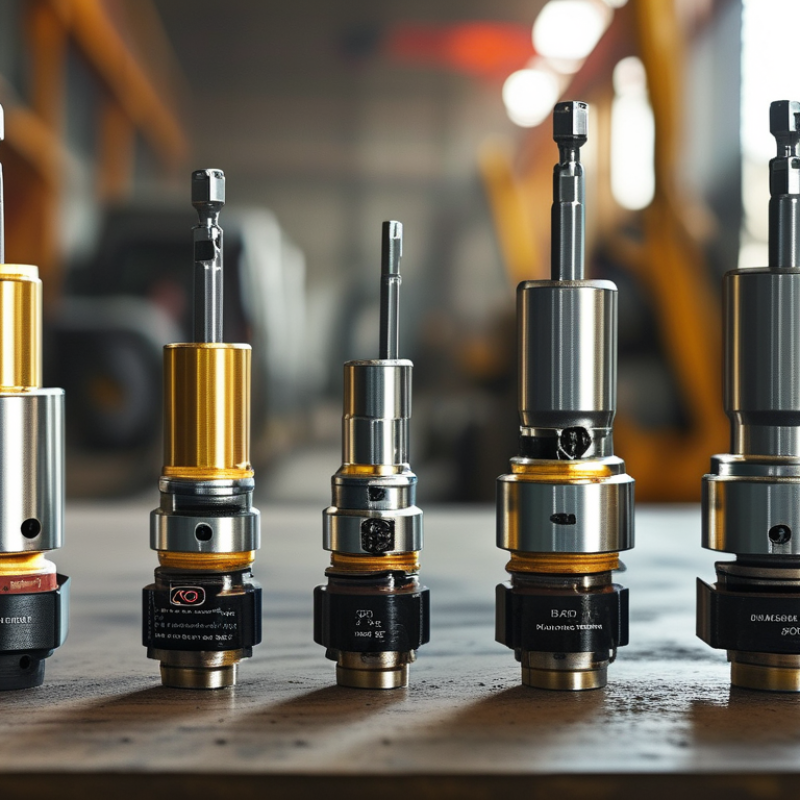
Understanding Quick Couplers: Types and Applications
Quick couplers are essential tools in various industries. They enable swift connections and disconnections of hoses, pipes, and other equipment. Understanding the different types of quick couplers is crucial for choosing the right one. There are several designs, each serving specific applications. For instance, some have automatic mechanisms that prevent leaks, while others are designed for high-pressure situations.
One popular type is the push-to-connect coupler. This design allows for quick engagement without threading. However, it may not be suitable for high-pressure scenarios. Another type, the threaded coupler, provides a more secure fit. It is ideal for heavy-duty tasks but can be slower to connect. Exchanging quick couplers can lead to downtime if not done correctly, reflecting the need for careful selection.
When choosing a coupler, consider the environment and application. Temperature, pressure, and fluid type matter significantly. Reflecting on your specific needs can lead to better outcomes. Often, users overlook compatibility with existing equipment. It's vital to ensure the coupler integrates seamlessly. The right choice can enhance efficiency and reduce the risk of leaks or failures.
Factors to Consider When Choosing a Quick Coupler Connection
Selecting the right quick coupler connection requires careful consideration of various factors. Understand the intended use of the coupler. Will it connect hydraulic or pneumatic systems? Each system has unique requirements that must be met. Assess the pressure ratings. Couplers must withstand the pressure without leaking or failing. A high-pressure application demands durable materials and construction.
Material compatibility is another vital factor. Different materials react differently under heat and pressure. For instance, using plastic couplers in high-temperature environments can lead to failure. Think about size and connection type. Ensuring a snug fit is critical to avoid leaks. Incompatible sizes can result in added expenses and time.
Don’t overlook maintenance needs. Some couplers require regular inspections and cleaning. If accessibility is limited, consider ease of maintenance. Reflect on the cost versus quality. Lower-cost options may save money upfront but could lead to greater expenses due to reliability issues. Weighing these factors will help ensure the best choice for your specific applications.
Assessing Compatibility with Equipment and Machinery
Choosing the right quick coupler connection requires careful assessment of compatibility with your equipment. Quick couplers are essential for various machinery. They ensure quick disconnection and connection for different attachments. However, the wrong choice can lead to inefficiencies or safety risks.
Compatibility is determined by several factors. These include the operational pressure, the size of the coupler, and the fluid type. A recent industry report noted that 70% of machinery failures are due to incorrect coupler usage. Therefore, checking manufacturer specifications is crucial.
When selecting a coupler, consider the following tips: Ensure that the connection type matches your existing equipment. Measure the pressure ratings to avoid leaks. Evaluate the material compatibility, especially if you deal with corrosive fluids. Always validate the coupler design to fit your specific needs. Keep in mind that neglecting these factors can result in significant downtime or costly repairs, which emphasizes the need for careful selection.
How to Choose the Right Quick Coupler Connection for Your Needs?
| Connection Type | Material Compatibility | Pressure Rating (psi) | Temperature Range (°F) | Suitable Machinery |
| Hydraulic Quick Coupler | Hydraulic Fluids | 3000 | -40 to 200 | Excavators, Loaders |
| Pneumatic Quick Coupler | Compressed Air | 150 | -20 to 150 | Air Tools, Spray Guns |
| Garden Hose Quick Coupler | Water | 70 | 32 to 120 | Gardening Equipment, Sprinklers |
| Industrial Quick Coupler | Various Chemicals | 500 | -10 to 180 | Manufacturing, Chemical Processing |
| Decoupling Quick Coupler | Fluids and Gases | 200 | -20 to 150 | HVAC, Refrigeration |
Evaluating Material Durability and Performance Standards
Choosing the right quick coupler connection begins with understanding material durability and performance standards. Different applications require varying levels of strength and resistance. According to a recent industry report, corrodible materials can fail under harsh conditions. Selecting high-grade materials is critical to ensure safety and reliability.
Tips: Always verify certification standards for materials. Look for those meeting ISO and ASTM compliance. This adds an additional layer of assurance regarding performance.
Performance standards vary notably across different industries. For example, a coupler used in construction must withstand greater stress than in a landscaping setting. Testing reports often reveal that even small variances in material density can lead to significant differences in load capacity. Be cautious, as not every coupler shows its true performance until put to the test.
Tips: Consider potential wear factors in your environment. Regularly review the specifications and test reports to ensure ongoing suitability. Remember, the right choice reflects directly on productivity and safety in operations, making careful evaluation essential.
Maintenance Tips for Ensuring Longevity of Quick Couplers
Maintaining quick couplers is critical for ensuring their longevity. Research shows that proper care can extend the lifespan of these connections significantly. For example, regular checks reveal that nearly 25% of failures result from neglect. The right maintenance procedures can prevent these issues.
One key tip involves routine inspection. Look for signs of wear or damage, especially in high-use environments. Dirt and debris can cause greater wear on connection points, leading to costly repairs. Clean couplers thoroughly after each use. Use compressed air to remove debris from tight areas. This simple step can add years to your coupler's life.
Lubrication is another essential aspect. A well-lubricated coupler reduces friction, which lowers the risk of damage. It's advisable to use the manufacturer's recommended lubricant. Relying on inferior products can create issues. Check lubrication levels regularly. A good practice is to include this in your scheduled maintenance plan. Keeping track of maintenance logs is helpful too. These logs can reveal patterns, prompting proactive measures before failures occur.