Choosing the right Cnc Air Compressor can significantly impact your machining operations. A high-quality compressor provides the necessary airflow to ensure precise cuts and efficient performance. However, with numerous models available, selecting one that meets your needs may feel overwhelming.
Consider the specific requirements of your CNC machines. Different applications demand varying air pressures and volumes. Often, users overlook these important specifications. This oversight can lead to inefficiency and increased costs.
Another crucial aspect is energy efficiency. An inefficient CNC air compressor can lead to higher utility bills. This factor often gets dismissed during the selection process. By focusing on reputable brands and understanding their performance ratings, you can make a more informed decision. Ultimately, a well-chosen compressor does not just support your CNC operations; it enhances overall productivity.
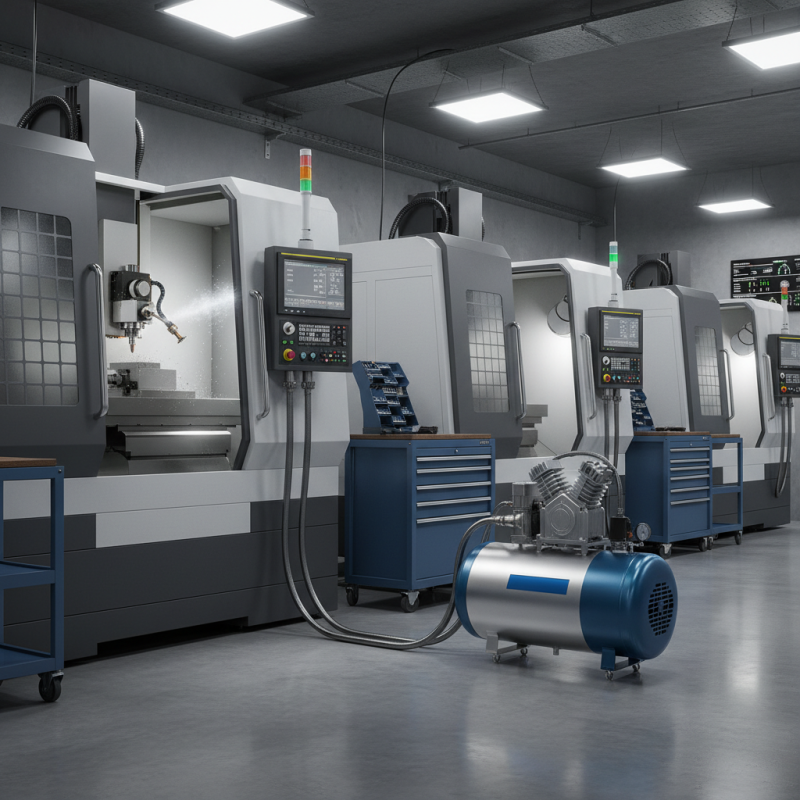
In the world of manufacturing, CNC air compressors play a crucial role. They provide compressed air necessary for powering various pneumatic tools and machinery. According to a report by the International Journal of Engineering Research, nearly 70% of manufacturing processes rely on pneumatic systems. This highlights the importance of choosing the right compressor.
Selecting the appropriate CNC air compressor involves understanding its operational requirements. An underperforming compressor can lead to inefficiencies. For example, a lack of air pressure can halt production. Studies indicate that unplanned downtime costs industries millions each year. Thus, ensuring that the compressor meets the specific air demand of CNC machines is vital.
Not all compressors are created equal. Variable-speed compressors adjust their output to match demand, enhancing energy efficiency. Meanwhile, fixed-speed models may meet initial needs but can lead to wasted energy. This aspect raises concerns about long-term operational costs. The best choice balances efficiency with performance, ensuring seamless manufacturing operations.
When selecting a CNC air compressor, it’s crucial to assess several key factors. The volume of air needed can vary greatly depending on your machine’s requirements. Make sure to verify specifications to avoid underperformance. A unit that does not deliver sufficient air pressure might lead to interruptions in production.
Consider the compressor’s power source as well. Electrical models are common, but consider your facility’s power availability. The noise level is another important factor, especially in a workshop environment. Compressors can be loud, leading to potential discomfort for operators.
Lastly, think about maintenance needs. Some air compressors require more frequent servicing than others. This can impact your operational efficiency. Ensure you are prepared for these responsibilities. Balancing efficiency and upkeep will enhance your overall experience with the CNC air compressor.
When choosing a CNC air compressor, understanding the types available is crucial. Each type has its pros and cons, which can significantly affect your operations. For instance, rotary screw compressors are known for continuous output. They can run for extended periods without interruption. However, they tend to be pricier initially and require more maintenance. According to industry reports, maintenance can account for about 15% to 20% of the total ownership cost.
On the other hand, piston compressors are another option. They are less expensive upfront and easier to maintain. Their drawback lies in the noise and vibration they produce. Studies indicate that noise levels in shops using piston compressors can average 90 decibels, which may necessitate additional noise control measures.
For those considering oil-free compressors, these models prevent oil contamination, adding quality assurance to the output. However, they typically have a lower duty cycle and can be less durable. Statistically, oil-free models are noted to have a lifespan of about 5,000 hours, compared to 10,000 hours for oil-lubricated types. Evaluating your specific needs will help clarify which compressor fits your shop's environment better.
When selecting a CNC air compressor, understanding air pressure and flow rate is crucial. Not all applications require the same specifications. Consider what pressure your CNC machine needs. Higher pressure ensures better performance but can lead to more noise and energy use. Knowing the precise needs of your CNC machine leads to better efficiency.
Flow rate is equally important. It measures the volume of air the compressor delivers. A low flow rate may result in inadequate performance. Conversely, too high a flow rate can waste energy. Assessing the air consumption of your tools will help you find the right balance.
Tip 1: Calculate the total air demand of your CNC setup. This ensures you don't oversize or undersize the compressor. Tip 2: Look for compressors with adjustable pressure settings. This feature provides flexibility for different tasks. Tip 3: Regularly evaluate your airflow requirements. Changing projects may shift your needs, requiring adjustments in your compressor settings.
When selecting a CNC air compressor, maintenance and support should factor heavily into your decision. Regular maintenance is crucial to ensure peak performance. Studies indicate that 30% of industrial air compressors suffer from excessive downtime due to inadequate maintenance. This leads to costly repairs and project delays. A well-maintained air compressor not only operates efficiently but also extends its lifespan.
Consider the ease of obtaining support and replacement parts. A report from the Industrial Air Compressor Association highlights that organizations with robust support systems face 50% fewer operational interruptions. It’s essential to choose a compressor provider that offers solid technical assistance and readily available parts. This availability can significantly reduce machine downtime, ultimately resulting in higher productivity.
Training for your personnel is another aspect that often gets overlooked. An organization’s operational proficiency directly ties to the knowledge of its staff regarding maintenance protocols. Regular training sessions can minimize human error. It is advisable to foster a culture of proactive maintenance rather than reactive fixes. This shift can reflect in the performance data, as companies that emphasize such training report a 20% drop in emergency repairs.