Skip to content

Home Elevator Tips for Safe Installation and Maintenance?

When considering a Home Elevator, safety is paramount. Installing an elevator at home can enhance accessibility and convenience. However, it requires careful planning and execution to ensure correct installation and ongoing maintenance.

Every Home Elevator needs a reliable installation plan. It is not merely about placing the elevator shaft in a convenient spot. Factors such as load capacity, space requirements, and building regulations are essential. Homeowners often overlook these details, which can lead to unsafe conditions. Paying attention to the specifics can save time and money in the long run.

Maintenance is equally important. Regular checks on cables, pulleys, and brakes can prevent major issues. Homeowners may neglect these tasks, thinking everything is fine. However, ignoring small problems can result in costly repairs or safety hazards. Remember, the small details can make a big difference in the safety of your Home Elevator.
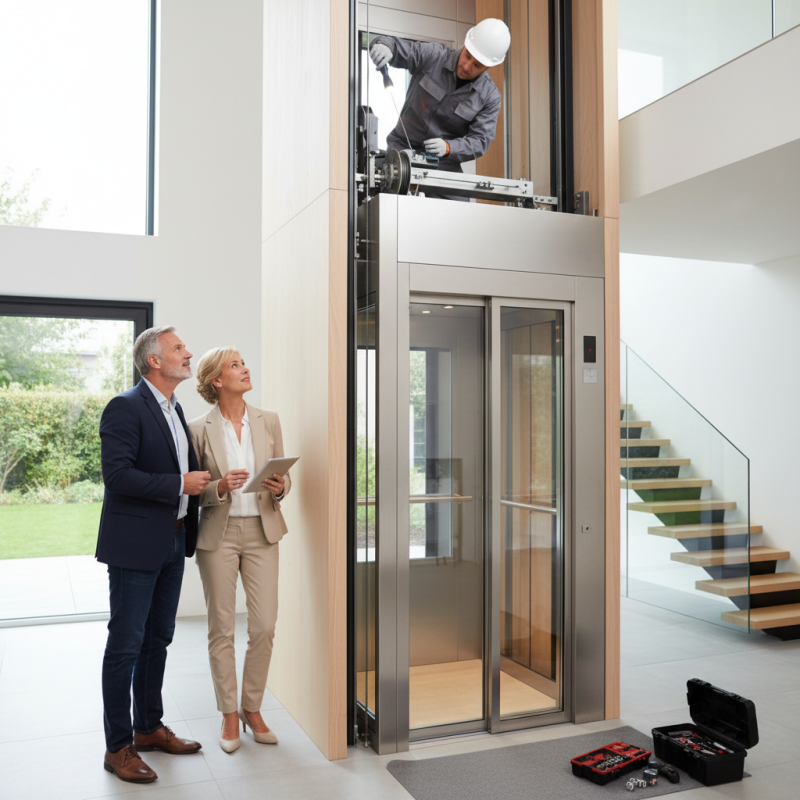
Home Elevator Tips for Safe Installation and Maintenance?

Home Elevator Overview: Types and Uses

Home elevators come in various types, each serving unique needs. They can enhance mobility for seniors and those with disabilities. Residential elevators typically fall into hydraulic, pneumatic, and traction categories. Hydraulic elevators are known for their smooth rides. Pneumatic options use air pressure, which can be a fun choice. Traction elevators are efficient but require more space.

The uses of home elevators extend beyond convenience. They can increase property value and accessibility. Imagine a family with members of different ages. A home elevator eases movement between floors and brings everyone together. However, proper maintenance is crucial. Neglecting regular checks can lead to malfunctions. Surprising breakdowns might happen at the least convenient moments.

Installing an elevator might present challenges. Space, budget, and design considerations are vital. Each home is different. What fits one may not work for another. Reflecting on these aspects can prevent poor choices. Choose wisely; the right elevator changes lives.

Home Elevator Safety and Maintenance Overview

Key Considerations for Home Elevator Installation

When considering a home elevator installation, multiple factors come into play. First, the size of your home is crucial. Measure the existing space accurately. Will the elevator fit without disrupting the flow of your home? Ensure there's enough room for the shaft and door swing. A tight fit may lead to costly modifications later.

Another important aspect is choosing the right type of elevator. Various options exist, like hydraulic and pneumatic models. Each type has unique requirements for installation and maintenance. Research their features, longevity, and energy consumption. Not all homes can support every type, so be prepared for adjustments.

Lastly, regular maintenance matters. Elevators require routine checks and servicing. Ignoring maintenance can lead to malfunctions. Schedule inspections to identify wear and tear early. Also, teach family members how to use it correctly. Misuse can cause accidents. Think about safety features too. Are emergency protocols clear? These considerations will help ensure your home's elevator serves its purpose safely and effectively.

Essential Safety Features for Home Elevators

Home elevators can significantly improve accessibility. However, safety features must be prioritized during installation and maintenance. A reliable emergency stop button is essential. This feature allows users to halt the elevator if something goes wrong. Placing this button within easy reach is crucial.

Another important aspect is the presence of safety brakes. These mechanisms engage if the elevator descends too quickly. Regular checks can ensure they are functioning correctly. It’s also necessary to inspect the doors. They should close securely and not open while the elevator is moving.

User awareness is vital. Simple instructions, like how to use the elevator, should be readily available. Sometimes, people overlook the need for routine maintenance checks. Neglecting this can lead to malfunctions. Understanding these details can enhance safety for everyone.

Home Elevator Tips for Safe Installation and Maintenance

Feature Description Importance Maintenance Tips
Safety Sensors Detects obstructions in the elevator door. Prevents accidents by ensuring doors do not close if blocked. Regularly test sensors to ensure they are functioning correctly.
Emergency Phone Allows users to call for help in case of emergencies. Crucial for accessibility and safety during malfunctions. Check functionality monthly to ensure it is operational.
Automatic Emergency Brake Stops the elevator in case of power failure. Protects users from free falls. Have brakes inspected during service checks.
Leveling System Ensures the elevator doors align with the floor. Prevents tripping hazards. Monitor performance and adjust if misalignments occur.
Door Safety Features Includes door sensors and interlock systems. Prevent accidental door opening during movement. Inspect doors and mechanisms regularly to ensure operational safety.

Routine Maintenance Tips for Longevity

Routine maintenance is essential for your home elevator's longevity. Regularly checking the elevator's components ensures everything is functioning correctly. Inspect the cables and pulleys for any signs of wear. Keep an eye on the door tracks too. A simple visual can reveal much about the state of your system.

Dust and debris can accumulate in unexpected places. Clean around the elevator shaft and car regularly to prevent blockages. Pay attention to any unusual noises during operation. These could indicate underlying issues that need attention. It’s not always easy to notice small changes over time, so periodic checks are vital.

Document your maintenance activities. It helps track any anomalies. You might forget when you last cleaned or checked certain parts. This record can provide clarity later. Learning to spot potential issues requires time and effort. Don’t rush through checks; each detail matters for safety and functionality.

Troubleshooting Common Home Elevator Issues

Home elevators can greatly enhance accessibility in a home. However, like any mechanical system, they can encounter issues that may disrupt their operation. One common problem is the elevator not responding to calls. This could be due to a power supply issue or a malfunction in the control panel. Checking the power source is a simple first step. If the power is fine, inspect the buttons and the control panel. Dust and debris can sometimes interfere, so keeping these areas clean is essential.

Another frequent issue is jerky movements during operation. This can be unsettling and indicate potential problems with the cables or motor. Regular maintenance is crucial here; lubricating moving parts can help. It’s also wise to check for any signs of wear or damage on cables. Sometimes, users overlook small sounds or vibrations that hint at larger issues. Ignoring these can lead to bigger malfunctions down the line. Taking time to listen and observe can prevent costly repairs in the future. Each of these steps contributes to ensuring the elevator operates smoothly and safely.