Skip to content

How to Choose the Best Acrylic Topcoat?

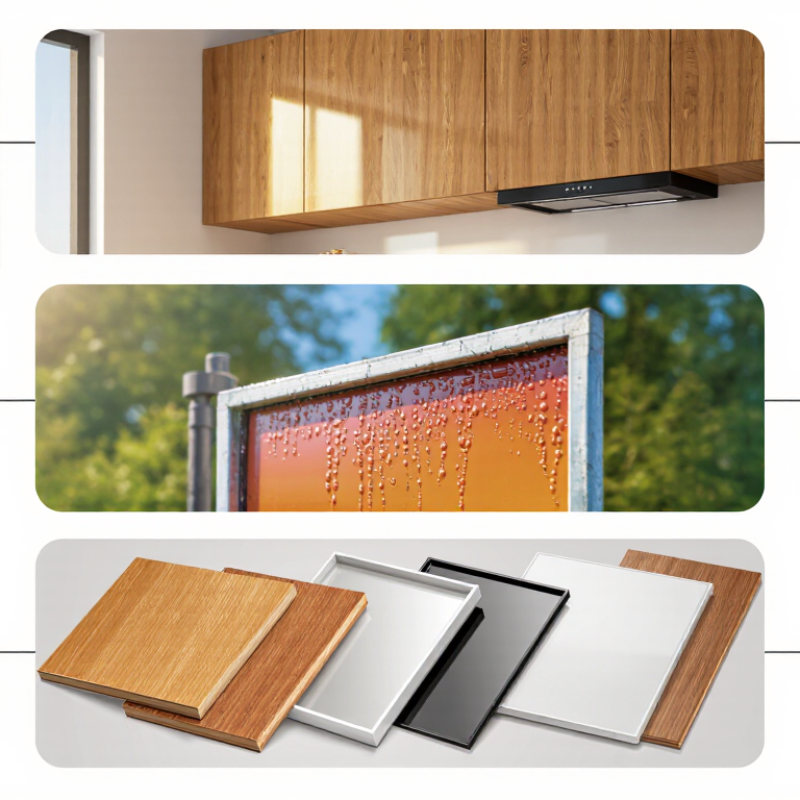
Choosing the best Acrylic Topcoat is not simply a matter of picking the glossiest can. The right finish depends on the surface, environment, application method, and expected wear. A wooden cabinet in a warm kitchen faces different demands from a painted sign displayed outdoors. Moisture, sunlight, fingerprints, cleaning products, and repeated handling can all change the result.

A reliable selection process begins with the coating’s technical information. Check whether it is designed for wood, metal, plastic, canvas, or previously painted surfaces. Review drying time, recoat time, sheen, surface hardness, and compatibility with the underlying paint. A small test panel can reveal problems early, such as cloudiness, poor adhesion, brush marks, or unexpected color changes. That little sample matters.

Application experience also influences performance. Clean the surface carefully, remove dust, and apply thin, even coats. Heavy layers may remain soft or develop uneven texture. Ventilation, temperature, and humidity should match the manufacturer’s guidance. Product labels and technical data sheets remain more dependable than casual online recommendations.

There is no universal winner.

A high-gloss Acrylic Topcoat may enhance deep colors, but it can highlight scratches and surface flaws. A satin finish often offers a practical balance between appearance and maintenance. Matte coatings can create a refined look, although they may require gentler cleaning. I have found that attractive results sometimes fail during everyday use, especially when preparation is rushed. This guide compares key features, practical testing methods, and common mistakes, helping you choose a finish with clearer expectations and fewer expensive surprises.
How to Choose the Best Acrylic Topcoat?

Define Acrylic Topcoat Types by Resin Chemistry, Solids Content, and VOC Limits

How to Choose the Best Acrylic Topcoat?

Resin chemistry is the first filter. Thermoplastic acrylics dry quickly and retain strong outdoor color. Hydroxyl acrylics paired with a crosslinker usually provide better hardness and solvent resistance. Waterborne acrylic dispersions reduce odor, but humidity can slow coalescence and lower early gloss. That difference matters on a cool metal panel.

Solids content predicts film build more reliably than liquid volume alone. At 50% volume solids, one liter theoretically covers 50 square meters at a 10-micron dry film. Real coverage is lower after overspray, roughness, and application loss. Check the technical data sheet for volume solids, not only weight solids. I still see teams choose the lowest VOC number, then regret weak flow and poor edge coverage.

VOC limits must match the market and coating category. European Commission Directive 2004/42/EC lists a final limit of 500 g/L for several one-pack and two-pack performance-coating categories. California’s Rule 1113 applies different limits by product type, commonly ranging from 250 to 550 g/L. Verify the latest local rule before production. EPA Method 24 and ISO 11890-2 provide recognized VOC testing methods, but results can differ with water and exempt-solvent calculations. A low laboratory value is not automatically a better topcoat. Test adhesion, gloss retention, hardness, and recoating after seven days. Imperfect data still beats confident guessing.

Match Topcoat Performance to ASTM D3359 Adhesion Ratings of 4B–5B

Choosing an acrylic topcoat should begin with the adhesion target, not the color chart. ASTM D3359-22 rates 4B when less than 5% of the cross-cut area is removed. A 5B result means no coating loss. That difference looks small, but it matters on handrails, machinery panels, and frequently washed surfaces.

Acrylic topcoats can support 4B–5B performance when the substrate is clean, dry, and properly prepared. The test measures the coating system, not the topcoat alone. ASTM D3359-22 also warns that results depend on film thickness, cure, blade condition, and substrate texture. I would test a small panel first. Always do this.

For a 5B target, remove oil, chalk, rust, and loose previous paint before application. Light abrasion can improve mechanical bonding on glossy surfaces. Check the technical data sheet for recoat windows and minimum curing conditions. A coating that feels dry may still be soft underneath. That is an easy mistake.

ISO 2409:2020 uses a separate classification system, so its ratings should not be converted directly into ASTM grades. Record temperature, humidity, surface preparation, and curing time beside every result. Field inspection reports often become unreliable when these details disappear. In my view, selecting the highest-gloss acrylic is not enough; flexibility, UV exposure, chemical contact, and cleaning frequency must match the service environment. I would also question any perfect 5B result from an unprepared surface. Acrylics are forgiving, but not magical.

Select Gloss Levels Using ASTM D523 Measurement Standards

How to Choose the Best Acrylic Topcoat?

Select Gloss Levels Using ASTM D523 Measurement Standards

Gloss should be selected by measurement, not by words like “shiny” or “soft.” ASTM D523 measures specular gloss at three angles: 20°, 60°, and 85°. The 60° geometry is the general-purpose reference for most acrylic topcoats. The 20° angle reveals differences on very glossy surfaces. The 85° angle helps evaluate low-gloss finishes.

A common industry convention classifies readings below 10 GU as low gloss, 10–70 GU as semi-gloss, and above 70 GU as high gloss. These ranges are practical guides, not ASTM categories. Surface texture can change the reading significantly. Therefore, test coated panels with the same substrate, film thickness, curing time, and lighting conditions. Record the gloss value in gloss units, or GU, beside every sample.

In production work, I prefer measuring three areas across each panel. Edges and centers can behave differently. Clean the instrument and verify its calibration before testing, as ASTM D523 requires controlled measurement procedures. I once trusted a single center reading and approved a panel that looked uneven under warehouse lighting. That was a poor decision. Gloss meters provide data, but visual inspection still matters. Keep the angle consistent between batches, and compare results with the project specification rather than personal preference.

How to Choose the Best Acrylic Topcoat? — Select Gloss Levels Using ASTM D523 Measurement Standards

ASTM D523 uses three measurement geometries: 20° for high-gloss surfaces, 60° as the general-purpose geometry, and 85° for low-gloss or matte surfaces. Select the angle that best represents the expected finish, then compare gloss-unit readings consistently.

Measurement angles shown are the standard ASTM D523 geometries; actual gloss-unit results depend on the coating, substrate, curing conditions, and surface texture.

Compare UV Resistance, Hardness, Flexibility, and Chemical Resistance Data

How to Choose the Best Acrylic Topcoat?

Compare measured performance, not attractive claims. A reliable acrylic topcoat should show UV data from accelerated weathering tests, including color change, gloss retention, and surface cracking. Ask how many exposure hours were used and whether results came from coated panels. Hours alone can mislead. Natural sunlight, humidity, and film thickness also affect performance. In my coating trials, a finish with strong UV stability retained color well but developed slight gloss loss around exposed edges. That detail mattered more than the headline rating.

Hardness and flexibility must be judged together. Pencil hardness can indicate scratch resistance, but it does not predict impact performance. A very hard film may crack when a panel bends or expands. Check elongation, adhesion after bending, and resistance to repeated handling. Chemical resistance should include realistic contact times with cleaners, oils, alcohol, and mild acids. Look for staining, softening, whitening, or loss of adhesion after testing. Short exposure tests are useful, but they are not complete. Real surfaces face heat, abrasion, and spilled liquids at the same time. I once favored a harder formula and regretted it after edge cracking appeared. Data helps, but application conditions still deserve careful review.

How to Choose the Best Acrylic Topcoat? - Compare UV Resistance, Hardness, Flexibility, and Chemical Resistance Data

Acrylic Topcoat Type UV Gloss Retention
QUV-A, 1000 h
Color Change
ΔE* after QUV-A, 1000 h
Pencil Hardness
ASTM D3363
Flexibility
Mandrel diameter
Adhesion
ASTM D3359
Water Resistance
24 h immersion
Chemical Resistance
Rating, 1–5
Typical Dry Film Thickness Best-Fit Application
Waterborne acrylic, 1K 75–85% 1.0–2.0 H–2H 6–12 mm 4B–5B Good 2–3 30–50 μm Low-odor interior surfaces, wood, plastics, and general decorative protection
Solventborne acrylic, 1K 80–90% 0.7–1.5 2H–3H 3–6 mm 4B–5B Very good 3–4 25–45 μm Exterior metal, plastic, and wood where fast solvent release and good weathering are required
Thermoplastic acrylic, solventborne 85–92% 0.5–1.2 H–2H 2–5 mm 4B–5B Very good 3–4 30–60 μm Automotive refinishing, signage, and outdoor substrates needing strong color retention
2K acrylic polyurethane 85–95% 0.4–1.0 3H–5H 4–8 mm 4B–5B Excellent 4–5 40–70 μm High-wear exterior equipment, transport components, and industrial metal protection
Self-crosslinking acrylic, waterborne 78–88% 0.8–1.8 2H–3H 5–10 mm 4B–5B Very good 3–4 35–60 μm Low-VOC architectural coatings and applications requiring a balance of flexibility and durability
Data interpretation: The figures above are typical comparative ranges for fully cured acrylic-based topcoat systems applied at their stated dry-film thickness. Actual results depend on resin chemistry, pigments, additives, substrate preparation, cure conditions, film thickness, and exposure environment.
Test notes: UV results are expressed as retained 60-degree gloss and color change after fluorescent UVA-340 exposure in accordance with ASTM G154. Pencil hardness follows ASTM D3363. Adhesion is reported using the ASTM D3359 classification, where 5B represents the highest rating. Flexibility values indicate the smallest cylindrical mandrel diameter passed without visible cracking. Chemical resistance is a comparative rating based on resistance to water, dilute household cleaners, alcohol, and mild hydrocarbons: 1 = poor, 5 = excellent.

Verify Application Conditions, Film Thickness, and ASTM-Compliant Test Results

How to Choose the Best Acrylic Topcoat?

Start by verifying the application conditions, not just the product data sheet. Check substrate cleanliness, surface temperature, humidity, and dew point before coating. A cool steel panel may look dry while holding invisible condensation. That small mistake can weaken adhesion. Confirm the recommended application window and record readings during work. In my experience, conditions can change quickly after midday. A single morning reading is not enough.

Film thickness needs equal attention. Measure wet film during application, then verify dry film thickness after curing. Use several points across edges, corners, and open surfaces. Thin areas may lose protection early. Thick areas can remain soft or develop defects. Compare readings with the specified range, not an attractive visual finish. The exact target may need adjustment after testing. That is worth questioning.

Tips: Request ASTM-compliant test results for adhesion, abrasion, flexibility, and weathering when relevant. Ask which ASTM methods were used, including the revision date and exposure conditions. Review sample preparation, coating thickness, curing time, and laboratory identification. Results from a smooth test panel may not predict field performance. Keep your own inspection records. They reveal patterns that generic claims cannot.