Skip to content

Top 10 Things to Know About Miniature Circuit Breakers?

In today's electrical landscape, Miniature Circuit Breakers (MCBs) are vital components for residential and industrial applications. According to a report by Market Research Future, the global MCB market is expected to grow at a CAGR of 6.5% from 2022 to 2027. Their primary function is to protect electrical circuits from overloads and short circuits. This enhances safety and minimizes potential damage to appliances and wiring.

Despite their importance, many users overlook critical aspects of MCBs. For example, understanding the different MCB types, such as type B and C, is essential for optimal usage. Many installations have not leveraged the full capabilities of MCBs, leading to suboptimal safety measures.

Awareness of MCB ratings and specifications is often lacking. A considerable percentage of users may install MCBs without knowing their precise load capacity. This oversight could result in malfunction during critical moments, sparking discussions on the necessity of informed selections. Understanding the nuances of Miniature Circuit Breakers can significantly impact electrical safety and efficiency.
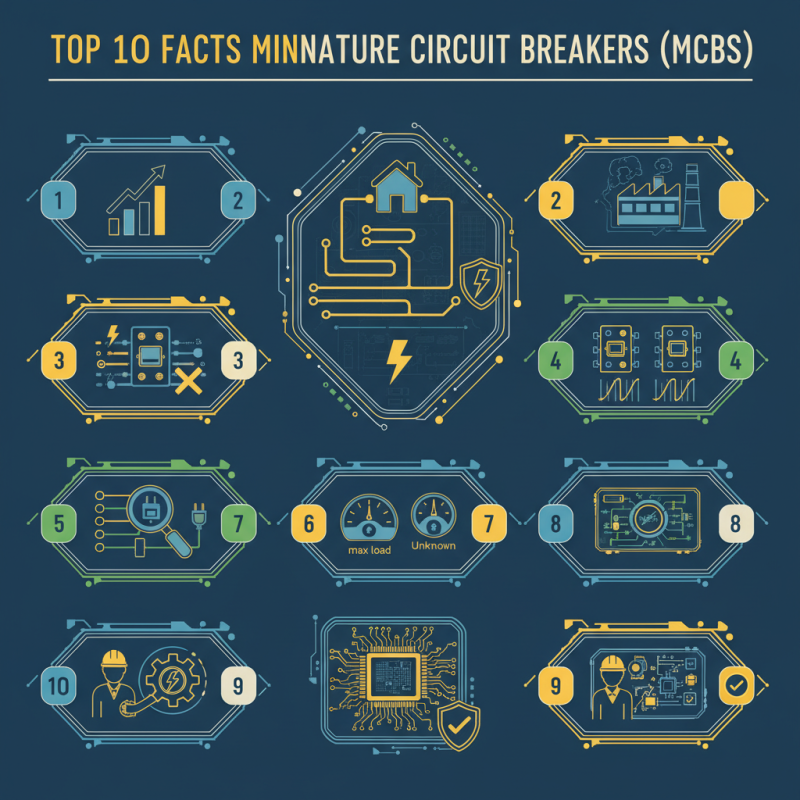
Top 10 Things to Know About Miniature Circuit Breakers?

Understanding Miniature Circuit Breakers: Definition and Purpose

Miniature circuit breakers (MCBs) are essential components in electrical systems. Their primary purpose is to protect circuits from overcurrents and short circuits. Unlike traditional fuses, MCBs can be reset without replacement. They detect faults quickly, disrupting the power flow almost instantly. This feature makes them vital for safety in homes and industries.

When an overload occurs, the MCB trips, stopping electricity from flowing. It helps prevent electrical fires and device damage. MCBs come in various ratings, designed for different applications. Choosing the right one is crucial to ensure proper protection. However, not all installations are perfect. Sometimes, users may install them incorrectly, leading to functionality issues.

Understanding how MCBs work also requires awareness of their limitations. They may trip unintentionally under certain conditions, like power surges. Regular testing and maintenance are essential to ensure their efficiency. Hopefully, users can take some time to educate themselves about these devices. They play a key role in safe electrical usage across various settings.

How Miniature Circuit Breakers Work: The Mechanism Explained

Miniature Circuit Breakers (MCBs) serve a crucial role in electrical systems. They protect circuits from overload and short-circuit conditions. The mechanism behind MCBs is fascinating yet straightforward. Inside, there are two vital components: a bimetallic strip and an electromagnet. When current flows, they monitor the electrical load.

Under normal conditions, everything operates smoothly. If there's an overload, the bimetallic strip heats up and bends. This bending eventually triggers the switch, cutting off the circuit. In cases of a short circuit, the electromagnet activates quickly, opening the contacts even faster. This rapid response prevents potential damage to appliances and reduces fire risks.

However, MCBs have limits. They can trip unexpectedly due to minor fluctuations. This might frustrate users unaware of their sensitivity. Improper sizing of an MCB can lead to frequent trips or failure to protect the circuit. It’s essential to assess the electrical load accurately. Monitoring is key to ensuring safety while maximizing efficiency. Understanding these details helps avoid unnecessary interruptions and enhances the reliability of electrical installations.

Top 10 Things to Know About Miniature Circuit Breakers

Feature Description
Definition Miniature Circuit Breakers (MCBs) are electrical devices that protect circuits from overloads and short circuits.
Working Principle MCBs operate through thermal and magnetic mechanisms, triggering the switch to cut off current flow in the event of faults.
Current Ratings MCBs are available in various current ratings, typically ranging from 0.5A to 125A, depending on the application.
Types Common types include Type B (domestic) for general use, Type C for commercial applications, and Type D for industrial purposes.
Tripping Characteristics MCBs have different tripping characteristics to suit various applications, allowing for selective protection.
Installation MCBs are installed in electrical panels and should be placed according to the load requirements and local regulations.
Maintenance Routine inspections are recommended to ensure functionality and to prevent mechanical failures.
Standards MCBs are built to comply with international safety standards, such as IEC 60898 and UL 489.
Advantages They offer reliable protection, are easy to reset, and provide safer operation than fuses.
Disadvantages MCBs can be more expensive than fuses and may need to be replaced after multiple tripping events.

Key Features of Miniature Circuit Breakers: Ratings and Specifications

Miniature circuit breakers (MCBs) are crucial for electrical safety. Understanding their ratings and specifications helps in making informed choices. MCBs come with various current ratings, usually ranging from 0.5A to 125A. Select one based on your needs. The voltage rating typically is either 230V or 400V. This ensures compatibility with your electrical systems.

It’s important to note the tripping characteristics, labeled as B, C, or D. Type B is sensitive, suitable for residential use. Type C can handle higher inrush currents, making it better for commercial applications. These details matter significantly. They determine how quickly the breaker reacts to overloads.

Tip: Always consider the installation environment. Temperature fluctuations can affect performance.
Tip: Regularly test your MCBs. A simple check can ensure they function effectively.
Tip: Don’t overlook the need for maintenance. Dust and moisture can hinder functionality over time.

Benefits of Using Miniature Circuit Breakers Over Fuses

Miniature circuit breakers (MCBs) offer numerous advantages over traditional fuses. They provide automatic disconnection of electrical circuits during overloads or short circuits. Unlike fuses, which need to be replaced, MCBs can simply be reset. This feature saves time and reduces downtime in electrical systems.

Tips for using MCBs include regular testing. Ensure that the reset mechanism works effectively. Check the ratings of the circuit breaker to match your electrical load. Sometimes, users underestimate the capacity needed for certain equipment. This may lead to nuisance tripping or even damage.

Another benefit is their compact design. MCBs take up less space in distribution boards, leading to a neater installation. However, it’s important to install MCBs correctly to avoid potential issues. Incorrect installations might result in an MCB not tripping when required. Always consult guidelines or seek professional help if unsure. The right choice can greatly enhance safety and efficiency in electrical systems.

Common Applications and Types of Miniature Circuit Breakers in Use

Miniature circuit breakers (MCBs) are essential components for modern electrical systems. These devices automatically protect electrical circuits from overloads and short circuits. They can be found in residential, commercial, and industrial applications. In homes, MCBs guard against electrical fires. Offices use them to ensure safe operation of equipment. Factories rely on MCBs to protect machinery and prevent unexpected downtime.

Different types of MCBs cater to specific needs. Type B MCBs are common for residential use, as they offer protection against low-level overloads. Type C is ideal for commercial settings, handling moderate inrush currents. The Type D MCB, however, is better suited for heavy-duty applications, often found in industrial environments. Each type serves a unique purpose, and the choice depends on the specific requirements of the electrical system.

Understanding the applications and types of MCBs can sometimes be confusing. Not everyone may realize the importance of choosing the correct type. Some may overlook specific requirements, leading to inefficiencies. Improper selection can result in inadequate protection, affecting safety. It's crucial to evaluate the load requirements and environment to make the best choice. Simple mistakes can have significant consequences.

Top 10 Things to Know About Miniature Circuit Breakers

This chart represents the common applications of miniature circuit breakers (MCBs) and their respective usage percentages in various sectors. The data reflects the distribution of MCB applications in residential, commercial, and industrial settings.