Why Is Mold Making Essential for Global Manufacturing Success?
Mold Making stands as a pivotal process in global manufacturing. It involves creating molds that shape various materials into required forms. This craft is foundational for industries like automotive, aerospace, and consumer goods.
The quality of mold making directly influences product reliability. Precision in molds leads to consistency in production, reducing defects. However, achieving high standards is often a challenge. Many manufacturers struggle with maintaining accuracy and efficiency. This challenge necessitates continual learning and innovation in mold making techniques.
As the global market demands faster and more efficient production, mold making must adapt. Advanced technologies like 3D printing are becoming integral. Yet, these methods are not foolproof. The industry must address issues like material compatibility and mold longevity. Reflecting on these complexities reveals the critical role of expert knowledge in mold making. Without it, manufacturers risk falling behind in a competitive landscape.
The Role of Molds in Manufacturing Processes
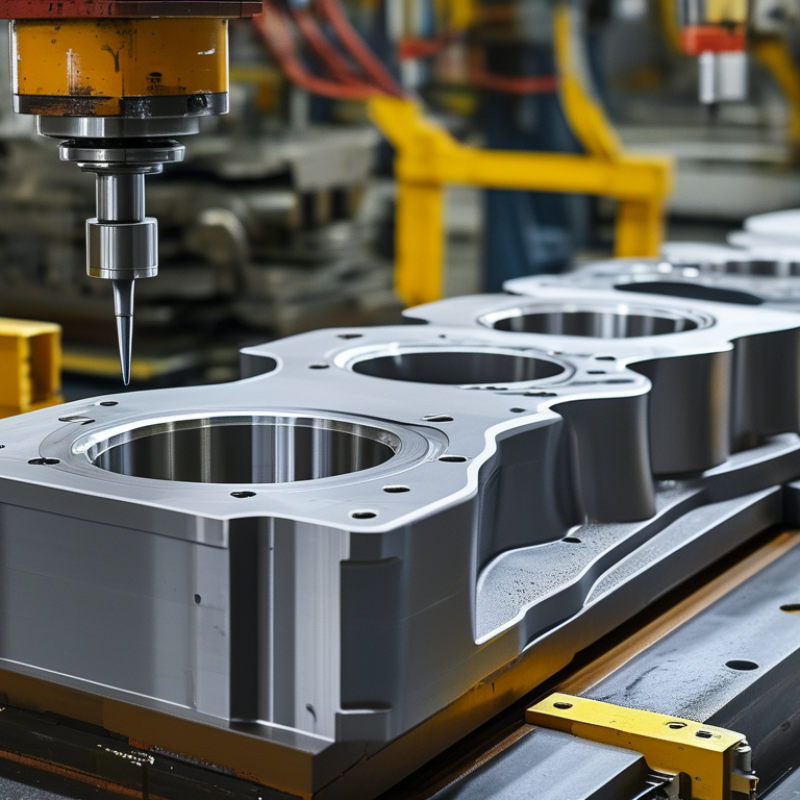
Molds play a vital role in the manufacturing processes across various industries. These tools shape raw materials into diverse products. By using molds, manufacturers can ensure consistency in size and quality. For instance, injection molding is widely used for plastic products. This process requires precise molds to create intricate shapes. The details and complexity achieved through molds are often unattainable using other methods.
The quality of molds directly influences the final product. A well-designed mold can reduce material waste and improve efficiency. However, mold design is not without its challenges. It requires expertise and constant innovation. Understanding the nuances of different materials is crucial. An error in the mold can lead to significant production delays and increased costs. Therefore, investing time in mold design is essential for success.
Mold-making also reflects the evolving landscape of manufacturing. As industries demand higher precision, mold-makers must adapt. New technologies, like 3D printing, are changing how molds are crafted. This can lead to quicker prototyping and reduced lead times. Yet, the reliance on technology introduces its own set of challenges. It’s a fine balance between traditional craftsmanship and modern innovation. This evolution requires continuous learning and adaptation by professionals in the field.
Types of Molds Used in Global Industries
Molds play a critical role in modern manufacturing. Various industries use distinct mold types to achieve efficient production processes. Injection molds are prevalent in the automotive sector, known for creating complex parts. Advanced technologies are shaping this area. The global injection molding market was valued at approximately $227.14 billion in 2021 and is projected to grow significantly by 2028, as reported by Fortune Business Insights.
In the consumer electronics industry, blow molds are commonly utilized. They are essential for producing lightweight plastic components like bottles and housings. The rise in demand for sustainable products is driving innovation in blow molding techniques. These molds account for a major segment of the plastic molding market. According to a recent report, blow molding's market share is expected to grow by around 4.5% annually from 2022 to 2027.
Die casting is another important molding technique, especially in manufacturing metal components. Industries like aerospace and heavy machinery rely heavily on die casting for precision parts. Though effective, this method faces challenges. Flaws such as porosity can compromise the quality of the final product. As a result, manufacturers must continuously refine their processes to ensure reliability and efficiency.
Benefits of Efficient Mold Design for Production
Efficient mold design is crucial in the manufacturing sector. A recent report indicates that up to 30% of production costs can be attributed to poor mold design. This inefficiency directly impacts product quality and cycle time. In an increasingly competitive global market, every detail matters. Often, manufacturers overlook the significance of mold design in achieving optimal efficiency.
Precision in mold design leads to enhanced product formation. According to industry analyses, a well-designed mold can reduce waste by over 20%. The materials used in mold construction also play a pivotal role. Using advanced alloys can extend the mold's life and reduce downtime for repairs. However, not all manufacturers invest in this area, leading to higher production costs and lower quality products.
Overlooked areas in mold design can include cooling systems and surface finishes. A subpar cooling system can lead to uneven temperatures, affecting the final product. Additionally, surface finish impacts the molding process and product aesthetics. Manufacturers must reflect on these factors to enhance their production capabilities. Investing in efficient mold design, while sometimes perceived as costly, ultimately supports long-term success in global manufacturing.
Technological Innovations in Mold Making
Mold making plays a critical role in global manufacturing. Technological innovations are transforming this field. Advanced software now streamlines the design process. This allows for faster prototyping and improved accuracy.
3D printing is one major advancement. It enables complex mold designs that were once impossible. The process reduces material waste, enhancing sustainability. Additionally, automation increases production efficiency. This means companies can meet tighter deadlines.
Tip: Regularly update your skills. Stay informed about new technologies in mold making. Networking with professionals can provide valuable insights. Embrace continuous learning to remain competitive.
Some challenges persist. Adopting new technology requires investment and training. Companies may struggle to adapt. It's essential to weigh the costs against potential benefits. Reflect on your current practices. Are they keeping pace with industry changes?
Challenges Facing the Mold Manufacturing Sector
Mold manufacturing plays a crucial role in global production. However, it faces significant challenges that can impede its effectiveness. One major hurdle is the fast-paced technological advancements in the industry. Companies must continuously invest in new equipment and processes to stay competitive. This requires skilled labor, which is often in short supply, leading to project delays.
Another issue is the increasing demand for custom molds. Clients often want unique designs that push the boundaries of traditional manufacturing. This complexity can complicate production timelines and logistically strain resources. Moreover, high-quality materials are becoming harder to source, affecting both cost and sustainability. Each of these factors requires careful management and innovative solutions.
The pressure to reduce lead times further complicates matters. Manufacturers often find it difficult to balance speed with quality. Rushed production can lead to errors, increasing waste and costs. Many businesses struggle to meet the expectations of clients while maintaining high standards. This tension demands a strategic approach that values both efficiency and craftsmanship.