Skip to content

Top 5 Motorcycle Fuel Pump Armature Issues You Should Know?

Motorcycle maintenance involves many critical components, one of which is the Motorcycle Fuel Pump Armature. Understanding its issues can prevent expensive repairs. The armature plays a vital role in providing a steady fuel supply. Any malfunction can lead to poor engine performance.

Common problems with the Motorcycle Fuel Pump Armature include wear, corrosion, and improper alignment. These issues can decrease fuel efficiency and lead to engine stalling. Riders may face unexpected breakdowns because of these faults. Regular checks can help identify early signs of failure.

Ignoring the condition of the armature can have serious consequences. It’s essential to recognize these issues as proactive measures can save time and money. While many might overlook the importance of the Motorcycle Fuel Pump Armature, understanding its function promotes better riding experiences.
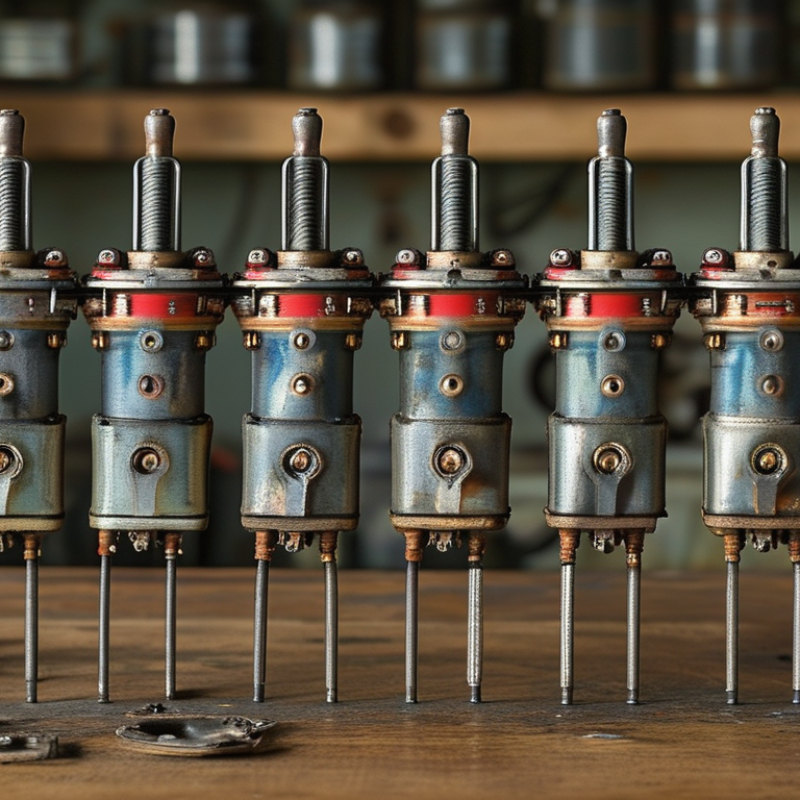
Top 5 Motorcycle Fuel Pump Armature Issues You Should Know?

Common Symptoms of Motorcycle Fuel Pump Armature Problems

Understanding the symptoms of motorcycle fuel pump armature problems is crucial for any rider. A failing fuel pump can lead to poor engine performance and, ultimately, unsafe riding conditions. One common symptom is a sputtering engine, often caused by inconsistent fuel supply. The motorcycle may also struggle to start, or it may not start at all. Monitoring fuel efficiency is important; a sudden drop may indicate an issue with the armature.

Inconsistent power delivery while riding might also signal fuel pump problems. This issues can cause the motorcycle to stall unexpectedly, a serious risk for riders. A buzzing sound from the fuel tank can indicate a strained fuel pump, often a precursor to failure. According to industry reports, over 30% of motorcycle fuel issues stem from faulty armatures, affecting performance severely.

A proactive approach can minimize problems. Regular inspections are essential. Keep an eye on your fuel gauge for sudden changes. Cleaning fuel filters regularly maintains efficiency. It's also helpful to listen for unusual sounds when starting your bike. Addressing small symptoms early can save significant time and money in repairs. Remember, being aware of these issues can enhance not only your motorcycle’s performance but also your safety on the road.

Understanding the Function of the Fuel Pump Armature in Motorcycles

The fuel pump armature plays a critical role in the overall performance of a motorcycle. It helps to regulate fuel delivery from the tank to the engine. Proper fuel pressure is essential for optimal combustion and efficiency. According to industry reports, issues with the armature can lead to engine misfires, reduced power, and increased emissions.

Common problems include wear over time, which can cause improper contact with electrical components. Corrosion is another frequent culprit, especially in regions with high humidity. In a 2021 survey, over 30% of motorcycle mechanics noted that fuel pump armature failures were a significant cause of engine trouble. Early detection and maintenance of this component are vital to ensure a smooth riding experience.

Moreover, improper installation can lead to functional issues. It's essential for riders to recognize signs of fuel delivery problems. For instance, difficulty starting or unexpected stalling could indicate armature issues. Many experienced mechanics recommend periodic inspections, as neglecting this aspect may result in higher repair costs down the road.

Top 5 Motorcycle Fuel Pump Armature Issues

This chart depicts the top 5 issues related to motorcycle fuel pump armatures, highlighting the number of reported problems for each category. Understanding these issues can help motorcycle owners maintain their equipment effectively.

Common Causes of Fuel Pump Armature Failures in Motorcycles

Fuel pump armature failures in motorcycles are a common concern among riders and mechanics alike. Understanding the causes can help prevent costly repairs. A study from the Motorcycle Industry Council states that around 30% of fuel-related issues stem from pump malfunctions. One primary cause is overheating, often linked to inadequate fuel supply. Insufficient lubrication from low fuel levels can cause the armature to wear out faster than expected.

Electromagnetic interference is another factor that can lead to armature failures. An industry report indicated that nearly 15% of pump issues relate to electrical problems, including bad wiring. Corrosion from moisture or poor fuel quality can also drastically reduce the armature’s lifespan. Contaminated fuel makes its way into the pump, causing it to clog and operate inefficiently.

Many riders overlook regular maintenance of their fuel systems. This can lead to unexpected breakdowns. Ignoring signs like inconsistent fuel delivery can escalate into severe problems. Taking proactive steps, such as checking fuel quality and maintaining wiring, is crucial. Riders and mechanics need to acknowledge these risks to avoid frequent and costly repairs.

Methods for Diagnosing Fuel Pump Armature Issues in Motorcycles

Fuel pump armatures in motorcycles are essential for optimal fuel delivery. Diagnosing issues early can prevent costly repairs. A common sign of failure is inconsistent fuel pressure. If your motorcycle stalls or struggles to start, it might be time to investigate.

Start by checking the electrical connections. Loose or corroded wires can disrupt the flow of power. Look for signs of wear and tear. Inspecting the armature for physical damage is crucial. Sometimes, simple maintenance can resolve minor issues.

Listening to your motorcycle is also important. Unusual noises from the fuel pump can indicate problems. Pay attention to any changes in performance. If you notice a decrease in power or acceleration, further investigation is needed. Understanding these symptoms helps in maintaining your motorcycle’s health. Seek professional advice when in doubt.

Preventive Measures to Extend the Life of Motorcycles’ Fuel Pump Armatures

Maintaining your motorcycle's fuel pump armature is essential for overall performance. Regular checks can prevent problems before they start. During routine maintenance, inspect the armature for wear and tear. Look for signs of corrosion or damage. These issues can lead to inefficient fuel delivery. A simple visual check can save you from more extensive repairs down the line.

Cleaning the fuel system is also crucial. Dirt and debris can affect the fuel pump armature's function. Using a fuel additive regularly helps keep the system clean. It prevents clogging and extends the life of the components. Pay attention to fuel quality as well. Bad fuel can cause significant issues and lead to armature failure.

Lastly, always ensure that electrical connections are secure. Loose connections can cause fluctuations in performance. Regularly tightening these connections adds longevity to the fuel pump armature. Consider keeping a maintenance log to track any issues. Reflection on past problems is key to preventing future ones. With proper care, your motorcycle’s fuel system will perform optimally for years to come.

Top 5 Motorcycle Fuel Pump Armature Issues You Should Know

Issue Description Preventive Measures Impact
Worn Bearings Degradation of rotary components leading to pump inefficiency. Regular lubrication checks and timely replacement. Reduced fuel flow, potential engine stalling.
Electrical Failures Short circuits or open circuits due to wear or corrosion. Inspect wiring connections and replace damaged components. Inconsistent fuel delivery, erratic engine performance.
Fuel Contamination Particulates or water in fuel affecting pump integrity. Use quality fuel and regularly replace fuel filters. Clogged lines, potential engine damage.
Vibration Damage Excessive vibrations can lead to loosening of components. Regularly inspect mounts and maintain proper engine alignment. Increased wear, possible fuel pump failure.
Overheating Heat buildup reducing the lifespan of electrical components. Ensure proper cooling and avoid running on low fuel. Failure of the fuel pump, engine overheating.