What is a Piston Filler and How Does it Work?
A Piston Filler is an essential tool in the manufacturing process, primarily used for filling liquids and semi-solids. This equipment operates on a straightforward yet effective principle. A piston moves back and forth within a cylinder, creating a vacuum to draw in the product before dispensing it into containers. This method ensures accuracy in filling volumes, crucial for industries like food and pharmaceuticals.
The design of a Piston Filler can vary, but its core functionality remains constant. This machine provides efficiency and precision, helping businesses maintain quality standards. However, achieving optimal performance requires regular maintenance and adjustments, which can sometimes present challenges.
Using a Piston Filler is not without its drawbacks. For instance, the filling process can be slower compared to other methods, particularly for high-viscosity products. Additionally, users must consider the alignment and calibration of the equipment. These factors are vital for achieving the desired output and avoiding waste. Understanding the nuances of a Piston Filler is crucial for any operation looking to improve productivity and reliability.
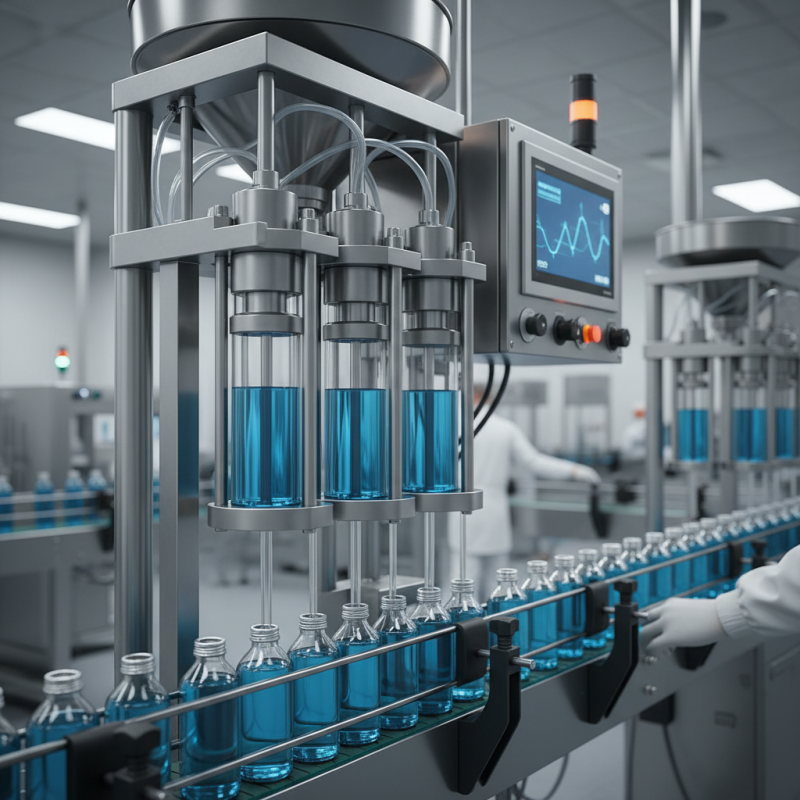
What is a Piston Filler?
A piston filler is a specialized device used for filling containers with liquids or semi-liquids. These machines are common in food production, pharmaceuticals, and chemical industries. The basic principle involves a piston that draws the liquid into a chamber, then forces it into the container through a nozzle. This process allows precise filling, which is critical for maintaining quality and consistency.
The design of the piston filler is intriguing. It often features adjustable stroke lengths to accommodate different container sizes. The chambers are usually calibrated to ensure accurate volume dispensation. This technology enhances efficiency, allowing for high-speed production runs. However, if not properly calibrated, the output can lead to inconsistencies. Maintenance is essential; a dirty piston or blocked nozzle can disrupt the filling process.
Piston fillers can handle various viscosities, from thin liquids to thick pastes. This versatility is one of their strong points. However, they are not suitable for all applications. For instance, delicate products may get damaged during the filling process. Choosing the right equipment demands careful consideration of product characteristics and process requirements.
The Basic Components of a Piston Filler
A piston filler is a type of liquid filling machine widely used in various industries. Its operation relies on a few essential components. The primary parts include the piston cylinder, the filling nozzle, and the control system. The piston cylinder holds the liquid and creates the pressure needed for dispensing. It is crucial for achieving accurate fill volumes.
The piston itself moves back and forth within the cylinder. When the piston retracts, it creates a vacuum that draws liquid from the supply tank. Once the piston moves forward, it expels the liquid through the nozzle. This mechanism ensures precision, reportedly filling with an accuracy rate of around 99.5%. Industries often rely on such accuracy for productivity and quality control.
Maintenance and calibration of the piston filler are vital. Regular checks can prevent leaks and ensure consistent operation. Some users report issues with viscosity changes affecting fill levels. Understanding these challenges is essential for optimizing performance. Keeping abreast of industry reports helps in monitoring these concerns. Recent studies emphasize the need for continuous innovation in piston filler technologies to adapt to diverse liquid types.
How a Piston Filler Operates: Step-by-Step Process
A piston filler is essential in various industries, especially in packaging liquids and pastes. Its operation relies on a few key principles. The filling process starts when the operator places a container under the nozzle. A piston within the cylinder moves back, creating a vacuum. This vacuum pulls the product from the reservoir into the chamber.
Next, the piston moves forward, pushing the liquid into the container. The speed and pressure can be adjusted based on the product’s viscosity. Accuracy in this step is crucial. An imbalance may result in spillage or underfilling. Regular maintenance can mitigate such issues, ensuring consistent performance.
Tips: Always ensure the piston and cylinder are clean. Residue can affect the sealing and filling accuracy. Calibration is also important. Inconsistent measurements can lead to waste and customer dissatisfaction. Pay attention to the filling speed. A slow fill may reduce foam but can increase production time.
Applications of Piston Fillers in Various Industries
Piston fillers are versatile machines commonly used across various industries. In the food and beverage sector, they efficiently handle liquids, sauces, and creams. These fillers ensure accurate measurements, which are vital to maintaining product quality and consistency. Many manufacturers favor them for packing items like jams, syrups, and even beverages. Their design allows for easy adjustments, accommodating different product viscosities.
In the cosmetic industry, piston fillers excel when filling lotions and creams. The precision they offer ensures customers receive the correct amount without waste. This leads to cost savings and better resource management. However, challenges remain in ensuring that the filling process doesn’t introduce any contaminants. Companies must regularly fine-tune their equipment and procedures.
Pharmaceutical applications showcase another area of importance. Piston fillers can efficiently handle various types of medicines, including serums and ointments. This sector demands the highest accuracy due to regulatory standards. Yet, the complexity of formulations can lead to inconsistent fills if not monitored closely. It's essential to continuously evaluate processes and make necessary adjustments to uphold product integrity.
Advantages and Disadvantages of Using Piston Fillers
Piston fillers are widely used in various industries for their efficient filling capabilities. However, they come with both advantages and disadvantages. One major advantage is their precision. According to industry reports, piston fillers can achieve an accuracy rate of up to 98%. This accuracy is crucial in sectors like pharmaceuticals and food production, where dosage consistency is vital.
On the downside, piston fillers can be more complex to clean. This complexity may lead to longer downtime between batches. Data shows that cleaning can take up to 30% more time compared to simpler filling systems. Additionally, piston fillers often require regular maintenance. Neglecting this can cause inefficiencies, potentially impacting production rates.
Another consideration is their cost. While initial investments may be higher, the long-term benefits in terms of reduced waste and increased efficiency can outweigh these costs. However, businesses must assess their specific needs. Not every operation may justify the investment. Balancing the pros and cons is key to making the right decision.
Piston Filler Performance Comparison
This chart illustrates the performance ratings of piston fillers across different dimensions including accuracy, speed, cost, versatility, and maintenance. The ratings reflect the advantages and disadvantages of using piston fillers in various applications.