Skip to content

Top Reasons to Source Non-Standard Pressure Vessels from China?

Sourcing a Non-Standard Pressure Vessel offers unique challenges and opportunities. These vessels serve specialized purposes across various industries, including pharmaceuticals, food processing, and energy. As global demand for these customized solutions rises, China emerges as a prominent supplier.

China's manufacturing capabilities are unmatched. The combination of advanced technology and cost-effective labor makes them an attractive choice. However, quality control remains a crucial point of concern. Finding reliable manufacturers should be a priority for anyone sourcing these complex products.

Cultural and language barriers can pose challenges. Effective communication is key to ensuring specifications are met. Buyers must invest time in building relationships with suppliers, to gain confidence in their choices. Understanding these nuances can lead to successful sourcing and long-term partnerships.
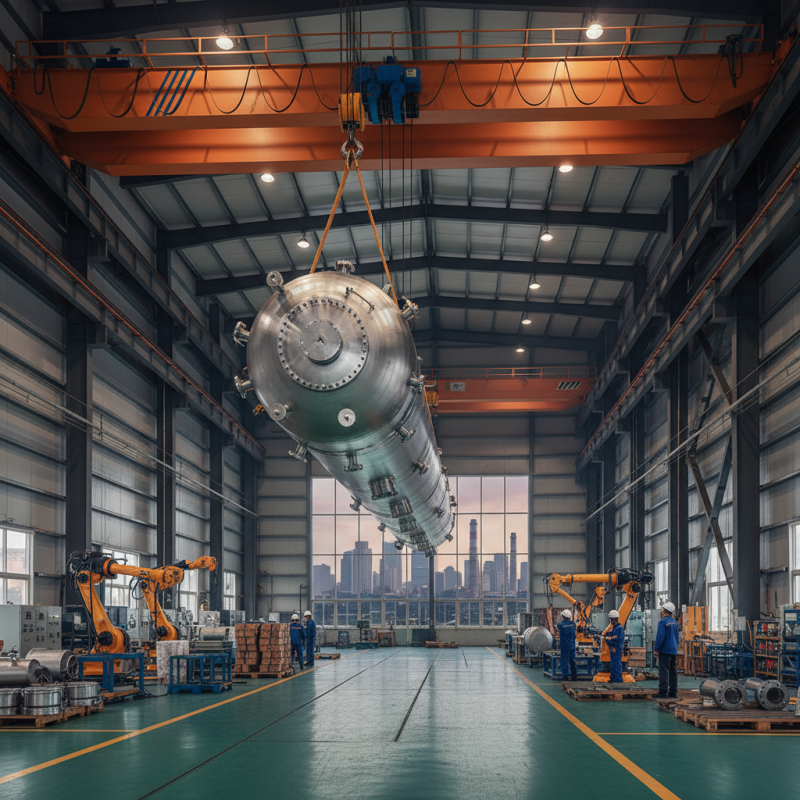
Top Reasons to Source Non-Standard Pressure Vessels from China?

Factors Driving the Popularity of Non-Standard Pressure Vessels in China

In recent years, non-standard pressure vessels have gained significant traction in China. Several factors contribute to this popularity. The rising demand for customized solutions is a key driver. Many industries need vessels tailored to their specific process requirements. This increases the importance of sourcing from manufacturers who offer flexibility in design and production.

Another factor is the competitive pricing of non-standard pressure vessels in China. Cost-effective manufacturing processes lead to lower prices without compromising quality. Buyers benefit from excellent craftsmanship and materials. However, sourcing from different manufacturers can sometimes result in inconsistent quality. It requires diligent research and verification of suppliers to ensure reliability.

Additionally, the rapid advancements in technology enhance the production of non-standard pressure vessels. Traditional methods are evolving, allowing for innovative designs and functionalities. Yet, there can be challenges with adapting new technologies. Not all manufacturers keep pace, which raises questions about their capabilities. Buyers need to assess not just price but also technological competence.

Cost-Effectiveness of Manufacturing Non-Standard Pressure Vessels in China

Manufacturing non-standard pressure vessels in China often proves to be cost-effective for various industries. According to a report by Grand View Research, the market for pressure vessels is projected to grow significantly. Factors such as low labor costs and advanced manufacturing techniques contribute to this trend. Sourcing from China can reduce production expenses by up to 30%, making it attractive for global businesses.

Despite lower costs, quality remains paramount. Chinese manufacturers are increasingly adopting stringent quality control measures. For example, many factories have received ISO 9001 certification, ensuring they meet international standards. However, it is essential to conduct thorough due diligence. Poor-quality suppliers do exist, and they can lead to costly production delays or safety hazards.

Tip: Always verify supplier credentials. Request samples and third-party inspections to ensure quality compliance. Seek references from other clients who have worked with the manufacturer.

Investing in non-standard pressure vessels from China requires careful planning. A critical factor is understanding local regulations and standards. Some factories may comply with international guidelines, while others may not. Achieving compliance adds another layer to your supply chain management but is necessary to avoid legal risks.

Tip: Consult with industry experts or local regulatory bodies before finalizing contracts. This step is crucial for mitigating risks associated with international sourcing.

Quality Control Standards for Non-Standard Pressure Vessels in Chinese Factories

When sourcing non-standard pressure vessels from China, quality control is paramount. Chinese factories often adhere to rigorous international standards. They implement multiple layers of quality assurance checks throughout the manufacturing process. First, materials must meet specified grades. They undergo testing before production begins. This reduces the risk of defects in the final product.

Inspection takes place at various stages. Factory teams conduct real-time evaluations. They check dimensions, thickness, and welding integrity. These inspections are crucial for ensuring product safety and compliance. However, inconsistencies may arise due to human error or equipment malfunction. Regular audits can help identify these issues early.

Moreover, there is a growing emphasis on certifications in Chinese manufacturing. Many factories pursue ISO and ASME certifications. These demonstrate a commitment to quality and safety standards. Yet, not all facilities maintain this level of diligence. This inconsistency can affect the reliability of pressure vessels. Understanding and verifying a factory's quality control processes is essential for buyers looking to source safely and effectively.

Diverse Customization Options Available for Non-Standard Pressure Vessels

When considering non-standard pressure vessels, customization is key. China offers a wide range of manufacturing options. These options cater to various industries, ensuring precise requirements are met. Customers can choose specific dimensions, materials, and configurations. This flexibility allows for innovative designs that traditional manufacturers may not provide.

Manufacturers in China respond quickly to unique requests. They use advanced technologies and skilled labor to meet diverse needs. Clients can engage in the design process, creating tailor-made solutions. However, this level of customization requires effective communication. Misunderstandings can lead to delays or product mismatches.

Quality control is crucial in sourcing. While many Chinese manufacturers excel, it’s vital to conduct thorough checks. Not all suppliers uphold high standards. Establishing a reliable partnership involves vetting processes and clear expectations. Investing time in this phase can yield substantial benefits in the long run.

Top Reasons to Source Non-Standard Pressure Vessels from China

Logistical Advantages of Sourcing Non-Standard Pressure Vessels from China

Sourcing non-standard pressure vessels from China offers notable logistical advantages. Many companies benefit from China’s robust manufacturing and supply chain infrastructure. In 2022, approximately 28% of global pressure vessel exports originated from China. This statistic highlights the nation’s critical role in meeting diverse industrial demands.

The transportation network in China is extensive, featuring modern ports, railways, and highways. This connectivity reduces transit times significantly. Reports indicate that shipping costs are often lower than those from other regions. However, companies must consider potential challenges, such as customs clearance delays. These delays can impact delivery schedules and require careful planning.

Furthermore, sourcing non-standard pressure vessels from China allows for customization. Manufacturers often provide flexible solutions tailored to specific requirements. According to recent studies, around 65% of Chinese manufacturers can adapt their production lines to accommodate unique designs. This adaptability can drive innovation but may also lead to inconsistencies in quality if not managed properly. Companies should continuously evaluate their partnerships to ensure reliability.

Top Reasons to Source Non-Standard Pressure Vessels from China

Reason Description Benefit
Cost-Effectiveness Lower manufacturing costs due to labor and material expenses. Increased profit margins on products.
Expertise and Experience Specialized manufacturers with extensive experience in producing non-standard vessels. Higher quality and reliability in product performance.
Flexibility in Customization Ability to meet unique specifications and requirements. Better alignment with customer needs and project demands.
Advanced Technology Utilization of modern manufacturing techniques and equipment. Improved product efficiency and longevity.
Shorter Lead Times Streamlined production processes enable faster turnaround. Faster delivery to market and improved responsiveness.
Robust Supply Chain Established logistics and shipping networks. Enhanced reliability and reduced risk of supply chain disruptions.