Skip to content

Why Choose Rotational Molding for Your Manufacturing Needs?

In today's competitive manufacturing landscape, companies seek efficient and reliable production methods. Rotational Molding emerges as a compelling option. This technique allows for the creation of complex shapes and durable products. It's favored in various industries, from toys to automotive parts.

What sets rotational molding apart is its versatility. The process utilizes a heated mold that rotates, ensuring even material distribution. This results in lightweight, strong items. Additionally, it reduces material waste, making it eco-friendly. Precision is key, but not every project will benefit from this method.

Evaluating the needs of your project is essential. Rotational molding demands an understanding of the material properties and design intricacies. While it can be cost-effective, upfront costs may seem high. Careful consideration of your manufacturing goals will clarify if this method is the right fit.
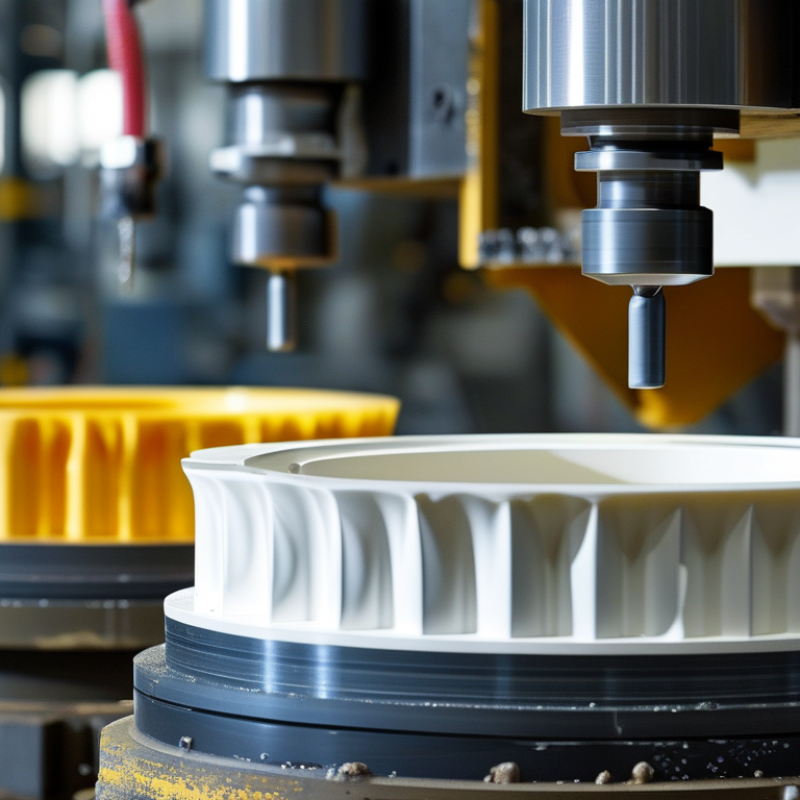
Why Choose Rotational Molding for Your Manufacturing Needs?

Understanding Rotational Molding: An Overview of the Process

Rotational molding is a versatile manufacturing process that produces hollow plastic parts. It involves heating a powdered resin in a mold, which is then rotated to ensure an even coating. This technique allows for complex shapes and large parts that are often difficult to achieve with other methods. It is widely used in industries such as automotive, toys, and outdoor furniture.

One of the benefits of rotational molding is its ability to create large parts without seams. This feature enhances the product's strength and durability. Additionally, the process generates minimal waste since it uses only the necessary amount of material. However, the initial cost of molds can be high, requiring careful consideration before starting a project.

Tip: Always prioritize your design. Simplified designs can reduce production costs and time.

Choosing the right material is crucial, as different resins offer varied properties and applications. Keep in mind that the heat distribution can affect the final product. Uneven heating might lead to weaker areas, so thorough testing is vital.

Tip: Test samples before full production. It can save time and resources.

Key Advantages of Rotational Molding in Manufacturing Applications

Rotational molding has become a preferred choice in various manufacturing applications due to its unique advantages. This process allows for the creation of hollow parts that are uniform in thickness. Reports suggest that up to 30% of material is saved, compared to traditional methods. This efficiency can significantly reduce production costs over time.

Another significant advantage is design flexibility. Rotational molding enables manufacturers to create complex shapes without the need for extensive tooling. This directly translates to quicker project turnaround times. Recent industry studies indicate that over 50% of manufacturers appreciate the capability to modify designs without incurring high setup costs. This adaptability fosters innovation in product design.

Yet, it's essential to consider potential downsides. For instance, while setup and tooling costs are lower, the initial production cycle may take longer compared to injection molding. Manufacturers must assess whether the flexibility and cost savings align with their production schedules. As the industry evolves, continuous evaluation of these factors will be critical to ensuring optimal efficiency and competitiveness.

Materials Used in Rotational Molding: A Comprehensive Guide

Rotational molding is a versatile process for crafting hollow plastic parts. This technique relies on high-quality materials to create durable and effective products. Commonly used materials include polyethylene, polyvinyl chloride (PVC), and nylon. Polyethylene is popular due to its lightweight nature and resistance to corrosion. It suits outdoor applications well.

Another material, PVC, offers improved rigidity and flame resistance. It's commonly used in manufacturing accessories that require durability. Nylon, known for its strength and flexibility, can withstand higher temperatures. However, such materials may involve a more complex processing technique, which can lead to unexpected challenges.

The selection of the right material is crucial in rotational molding. Each type has its pros and cons. Understanding these differences can elevate product quality. Manufacturers often need to reflect on their choices carefully. Sometimes, costs can outweigh benefits. That said, the right material can enhance a product's longevity and functionality significantly.

Why Choose Rotational Molding for Your Manufacturing Needs?

Comparison of Rotational Molding with Other Manufacturing Processes

Rotational molding is becoming a preferred choice for many manufacturers. This process allows for complex shapes and large products with minimal waste. Unlike injection molding, which requires high pressure, rotational molding uses a much gentler technique. This results in lower production costs and shorter lead times.

Many manufacturers choose rotational molding for its unique advantages. When comparing it with blow molding, rotational molding excels in producing thicker walls. This makes products more durable. Additionally, unlike traditional machining, which generates significant material waste, rotational molding efficiently uses material. Rotational molding can handle a wide range of materials, providing flexibility in design.

Tips: When considering a manufacturing process, assess your product requirements first. The nature of your product will determine the best method. Prototype first, if possible. This can save time and resources. Quality assurance is crucial. Ensure that the manufacturer follows proper standards to guarantee product reliability.

Common Industries Benefiting from Rotational Molding Solutions

Rotational molding has become a popular choice across various industries due to its versatility and efficiency. This manufacturing process is particularly beneficial in sectors such as automotive, consumer goods, and medical devices, which require lightweight but durable components. According to a recent market report, the global rotational molding market is expected to grow at a CAGR of 5.1% from 2021 to 2027, driven by these industries' increasing demand for cost-effective solutions.

In the automotive industry, rotational molding is used for producing large components like fuel tanks and interior parts. These components require resilience to withstand harsh conditions. The consumer goods sector also benefits from rotational molding, creating custom products such as storage containers and playground equipment. One study indicates that over 50% of companies in this sector have adopted rotational molding, highlighting its impact on product design and functionality.

The medical field increasingly relies on rotational molding for precision items like surgical instruments and medical containers. These products demand a high degree of accuracy and compliance with strict safety standards. While rotational molding presents advantages, some manufacturers face challenges in achieving consistency, particularly with complex designs or color matching. It’s essential for companies to address these hurdles to fully leverage the benefits of rotational molding.

Why Choose Rotational Molding for Your Manufacturing Needs? - Common Industries Benefiting from Rotational Molding Solutions

Industry Application Materials Used Benefits of Rotational Molding
Automotive Fuel tanks, dashboards Polyethylene, Polypropylene Lightweight, durable, cost-effective
Consumer Products Storage bins, toys HDPE, PVC Customizable shapes, vibrant colors
Medical Medical devices, containers Polycarbonate, ABS Precision, hygiene, regulatory compliance
Toys and Recreation Playground equipment, outdoor toys Polyethylene, Nylon Safety, durability, weather resistance
Industrial Containers, pallets Polyethylene, Urethane Strength, stackability, recycling