What is Tabletop Vacuum Packaging Machine and How Does It Work?
The Tabletop Vacuum Packaging Machine has become indispensable in both commercial and home kitchens. This device efficiently removes air from packaging, thus preserving food quality longer. According to industry expert John Smith, “A Tabletop Vacuum Packaging Machine is essential for anyone serious about food preservation.”
These machines are compact yet powerful, designed for various food types. They help to extend shelf life and enhance flavor. Users report significant reductions in food waste, which is a growing concern today. However, not every package may seal perfectly, which can lead to frustration.
Understanding this technology is crucial for maximizing benefits. Users need to learn how to operate the Tabletop Vacuum Packaging Machine properly. Despite the simplicity, improper use could lead to subpar results. With some practice, however, this machine can transform food preservation efforts. It’s an effective tool but requires attention to detail.
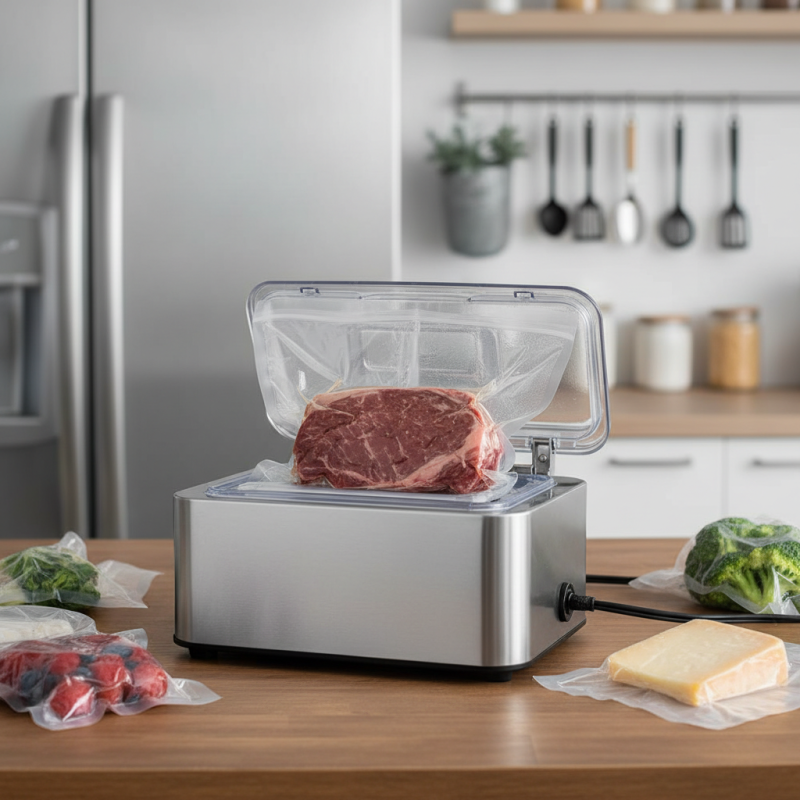
What is a Tabletop Vacuum Packaging Machine?
Tabletop vacuum packaging machines are essential tools in food preservation. These compact devices help remove air from packaging, extending the shelf life of products. A report by MarketsandMarkets suggests that the vacuum packaging market is projected to reach $32.55 billion by 2025. This growth indicates an increasing demand for efficient food storage solutions.
In essence, a tabletop vacuum packaging machine works by creating a tight seal around food items. This process minimizes oxidation and microbial growth, factors that contribute to spoilage. Many smaller operations, such as local restaurants or butcher shops, find these machines valuable. They safeguard the freshness of ingredients and prepared items.
However, it’s vital for operators to understand maintenance. Neglecting regular cleaning might lead to cross-contamination.
Not all machines are created equal. Some models may struggle with thicker bags or produce inconsistent seals. Users should conduct thorough research to identify the best fit for their needs. Miscalculating the capacity could result in wasted time and resources. Additionally, understanding proper vacuum techniques is crucial for optimal results. Knowing when to discard imperfect seals can save food quality and, ultimately, money.
Key Components of a Tabletop Vacuum Packaging Machine
A tabletop vacuum packaging machine is a crucial tool for preserving food. Its design is compact yet efficient. Understanding its key components can help you maximize its benefits.
The sealing chamber is the heart of the machine. It creates a vacuum seal that removes air, which slows down spoilage. This component directly impacts the effectiveness of the packaging process. The vacuum pump is another essential part. It draws out air, ensuring food stays fresh longer. The control panel allows users to set different functions. Knowing how to navigate this panel can enhance your packaging quality.
Tips: Ensure the sealing area is clean. Dirt can prevent a proper seal. Regular maintenance of the vacuum pump is vital. If the pump isn’t working efficiently, food may spoil quicker. Pay attention to the quality of bags you use. Some materials may not be suitable for vacuum sealing.
How Does a Tabletop Vacuum Packaging Machine Work?
Tabletop vacuum packaging machines are vital tools for preserving food and other items. They utilize a method that removes air from specially designed bags. This process not only extends shelf life but also maintains freshness. Specifically, vacuum packaging can reduce spoilage by up to 50% compared to traditional storage methods, according to industry reports.
A typical tabletop vacuum machine operates by placing items inside a plastic pouch. Once the machine is activated, it draws out air, creating a vacuum seal. After sealing, the bags are airtight, preventing exposure to oxygen. This mechanism helps inhibit bacteria and mold growth. It's noteworthy that user errors can occur. Improper sealing or using the wrong bag type may lead to compromised food integrity.
The versatility of these machines extends beyond food. They are also used in electronics and pharmaceuticals. However, they may not be the best choice for all products. Some materials may react poorly under vacuum conditions. This serves as a reminder of the importance of understanding the specific requirements of different items before packaging them.
What is Tabletop Vacuum Packaging Machine and How Does It Work?
| Feature | Description | Benefits |
| Compact Design | Designed for small spaces, suitable for home use and small businesses. | Easy accessibility and storage. |
| Vacuum Sealing | Removes air from the package to preserve food. | Extends shelf life, prevents freezer burn. |
| User-Friendly Operation | Simple controls and quick operation. | Saves time and reduces waste. |
| Versatility | Can seal various types of food and other items. | Ideal for marinating, storing, and organizing. |
| Energy Efficient | Requires minimal power to operate. | Cost-effective and eco-friendly. |
Benefits of Using a Tabletop Vacuum Packaging Machine
Tabletop vacuum packaging machines have gained popularity for various reasons. They are compact and designed for easy use in homes and small businesses. These machines effectively remove air from plastic bags, creating a tight seal that keeps food fresh longer. By eliminating air, the growth of bacteria and fungi is slowed, greatly extending the shelf life of perishable items.
One major benefit is reduced food waste. Users can store leftovers or bulk purchases without worrying about spoilage. This method is especially helpful for meal prep, allowing for efficient storage. Additionally, these machines are versatile. They can package not just food, but also important documents or small equipment. This feature expands their utility beyond just culinary purposes.
However, it's important to consider some limitations. Not all foods are suitable for vacuum sealing. Certain fruits and vegetables may be crushed, while liquids can be problematic. Finding the right balance can take time and experimentation. Users may need to adjust their approach based on the items being packaged. Overall, tabletop vacuum packaging machines provide valuable benefits, though careful usage is essential for optimal results.
Common Applications for Tabletop Vacuum Packaging Machines
Tabletop vacuum packaging machines are increasingly prevalent in various industries due to their versatility and efficiency. These compact devices are widely used in restaurants, delis, and even home kitchens. They help prolong the shelf life of food by removing air and sealing packaging tightly. This vacuum sealing process can reduce spoilage by up to 60%, according to industry studies.
In the food service sector, these machines find applications in meat storage, cheese preservation, and portion control. For example, vacuum-sealed meat retains freshness for longer periods, which is crucial for reducing food waste and improving inventory management. Restaurants report a 30% decrease in food waste when implementing vacuum packaging strategies.
Beyond culinary uses, tabletop vacuum packaging machines serve in other fields. They are essential for medical supplies packaging, electronics, and even cosmetics. However, businesses must be mindful of the learning curve associated with these devices. Improper sealing techniques can lead to compromised quality or product damage. While the efficiency is impressive, ongoing training is needed to maximize the benefits. Investing in quality training can ensure that employees use these machines effectively and consistently.