When selecting an Aluminum Welder Machine, understanding the market landscape is vital. According to recent industry reports, the demand for aluminum welding equipment has grown significantly. The global aluminum welding market is projected to reach USD 1.5 billion by 2025, primarily driven by industries like automotive and aerospace. This reflects a shift towards lightweight materials for enhanced fuel efficiency and performance.
Choosing the right welder is complex. It involves not just picking a brand but considering factors like technology, amperage, and duty cycle. The wrong choice can lead to poor weld quality, increased production costs, and even safety risks. Many buyers focus on cost alone, often overlooking vital features. A machine that is affordable may not have the durability or precision required for specific tasks.
Many professionals recommend prioritizing brands with proven track records. Industry experts note that reliable brands often provide better customer support and warranty options. However, the right choice varies per user's specific application and skill level. Take time to evaluate your needs before making a decision. Your chosen Aluminum Welder Machine should match your projects’ complexity and frequency.
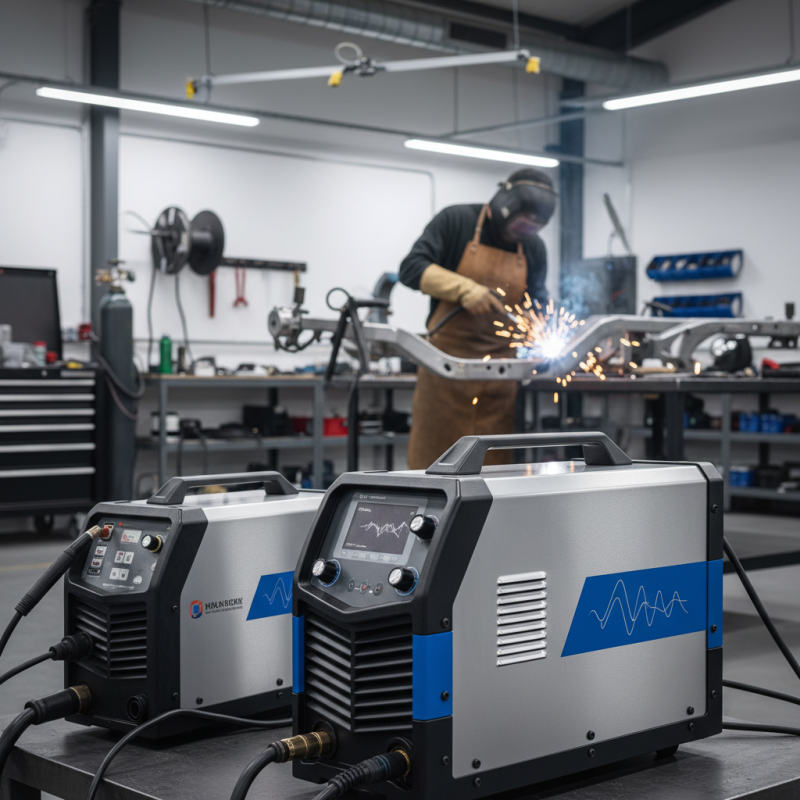
When it comes to aluminum welding, understanding key characteristics is crucial. Aluminum is lightweight yet strong, making it a popular choice in various industries. Its thermal conductivity can complicate the welding process. According to a report by the American Welding Society, proper techniques can significantly enhance joint integrity and reduce defects.
Welding aluminum requires specific methods, such as TIG and MIG welding. These techniques allow for better control of heat input, reducing warping and distortion. The same report indicated that nearly 70% of welding failures stem from improper technique or inadequate preparation. Preparing the weld zone by cleaning contaminants is a simple yet essential step often overlooked.
Welders should also consider the type of filler material to use. Using the wrong filler can lead to weakness in joints. Many novice welders find it challenging to choose the correct filler for the alloy type. A recent study found that about 30% of welders struggle specifically in selecting appropriate materials. This highlights the need for training and experience in aluminum welding. Understanding these fundamentals can make a substantial difference in achieving successful welds.
| Feature | Importance | Recommendations |
|---|---|---|
| Welding Type | Critical for Different Applications | TIG for precision, MIG for speed. |
| Amperage Range | Essential for Material Thickness | Choose machines with adjustable amperage. |
| Portability | Important for On-Site Jobs | Look for lightweight and compact designs. |
| Power Source | Affects Usability in Different Locations | Select between gas, electric, or battery-powered options. |
| Ease of Use | Directly Influences Learning Curve | Consider machines with intuitive controls. |
| Duty Cycle | Affects Work Duration | Higher duty cycles are better for extensive work. |
| Price | Determines Affordability | Balance features with budget constraints. |
When selecting an aluminum welder, understanding the different types is crucial. MIG (Metal Inert Gas) welding offers speed and ease of use. It’s ideal for thin materials and offers a clean finish. Knowing that about 60% of professionals prefer MIG for its efficiency highlights its popularity in workshops. However, it may not penetrate thicker aluminum effectively, leading to weaker joints.
TIG (Tungsten Inert Gas) welding is another option. This method provides superior control and precision. With a greater emphasis on craftsmanship, it's favored for intricate designs. Although TIG requires more skill, it results in stronger and neater welds. Recent industry studies indicate that around 30% of welders choose TIG for complex projects. Yet, its slower pace can be a challenge for larger workpieces.
Stick welding, while less common for aluminum, still has its place in specific applications. It’s simple and doesn’t require as much equipment. However, the weld quality may not match that of MIG or TIG, especially for aesthetic purposes. As noted by reports, stick welding is used in about 10% of aluminum welding cases. This calls for careful consideration of the project requirements when selecting the welding method.
Selecting the right aluminum welder machine involves understanding crucial features. The material itself demands precision. According to a report by the American Welding Society, 45% of welding failures can be traced back to equipment mismatch.
Power output is a key factor. Aluminum welding often requires higher amperage and stability in the arc. Machines with inverter technology, for example, can provide a more consistent and efficient weld. An evaluation of industrial practices indicates that using machines with adjustable power settings increases productivity by up to 30%.
Portability matters too. Aluminum projects often need to move between locations. A lightweight machine enhances accessibility. Weight should be balanced against performance capabilities. Noise levels also impact workplace comfort. Monitoring sound can improve focus and reduce fatigue. Keeping these variables in mind creates a solid foundation for making informed decisions.
When budgeting for an aluminum welder, cost and performance are intertwined. A recent industry report indicates that prices for quality aluminum welding machines range from $1,500 to over $5,000. This means careful evaluation is essential. You may find cheaper options, but they often lack durability and efficiency. Spending more could mean better features and longer lifespan.
Performance metrics matter. Look for machines with a duty cycle over 60%. This indicates reliable performance during heavy use. Machines that overheat quickly require longer cooldowns, leading to downtime. Data shows that users who invest in moderate to high-end machines report fewer repairs and better weld quality. While initial costs may seem daunting, the return on investment often justifies the price.
Consider also the materials you'll work with. If you aim to weld thicker aluminum, a machine with higher amperage is crucial. This decision directly impacts performance and you may need to account for these specifics in your budget. Always evaluate your needs against product specifications to avoid mismatches. Balancing cost with performance will lead to smarter choices in the long run.
When engaging in aluminum welding, safety should always come first. The American Welding Society highlights that around 15% of welding injuries stem from improper safety practices. Protective gear is crucial. A good helmet, gloves, and suitable clothing protect against sparks and harmful UV rays. The right equipment reduces risks significantly.
Proper ventilation is vital. Aluminum welding produces fumes that can be harmful if inhaled. According to the National Institute for Occupational Safety and Health, exposure to welding fumes can lead to respiratory issues. Many welders do not prioritize adequate airflow. This oversight can lead to long-term health complications. Regularly checking ventilation systems and using fume extraction equipment is advisable.
Understanding the characteristics of aluminum is key to successful welding. Aluminum can create a weak oxide layer. Cleaning the surface correctly before welding is important. Many welders may overlook this step. Without proper preparation, welds may fail. It is essential to assess the surfaces thoroughly and ensure they are free from contaminants. This attention to detail can make a significant difference.