Skip to content

Top Hammer Drill Machines for Efficient Construction Needs?

In the construction industry, efficiency is key. The demand for high-performance tools has led to innovations in drilling technology. Among these, the "Top Hammer Drill Machine" stands out. According to a report by Markets and Markets, the global construction equipment market is expected to reach $250 billion by 2025, with drilling equipment playing a significant role.

Top hammer drills are known for their precision and speed. They utilize a powerful percussive action, making them suitable for various geological conditions. These machines can significantly reduce project timelines, allowing construction professionals to meet tight deadlines. For instance, they are capable of drilling through hard rock with ease, ensuring contractors can tackle tough jobs efficiently.

However, it’s essential to acknowledge the challenges associated with selecting the right equipment. The market is flooded with options, and not all machines meet the same standards. As professionals, it is crucial to conduct thorough research and seek expert opinions. Finding the right Top Hammer Drill Machine can make a substantial difference in overall project success. Understanding the specifications and performance metrics will ensure that the right investment is made in these indispensable tools.
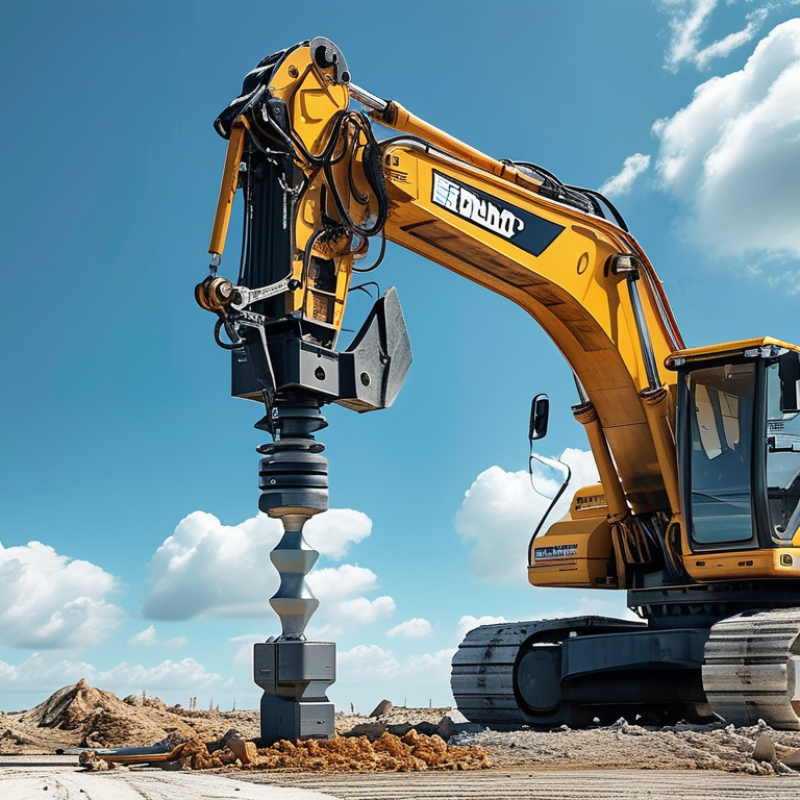
Top Hammer Drill Machines for Efficient Construction Needs?

Overview of Top Hammer Drill Machines in Construction

When it comes to construction, having the right tools can make a significant difference. Hammer drill machines have become essential for various tasks. They combine rotary drilling with hammering action, making them ideal for drilling into tough materials like concrete and masonry. Their efficiency often determines project timelines.

Several features define a good hammer drill. Power ratings, typically measured in watts or amps, impact performance. A higher power rating can mean faster drilling speeds. Additionally, the weight and ergonomics of the drill matter. A well-balanced tool reduces fatigue for users, especially during extended projects. However, some may find heavier models harder to maneuver.

It's worth noting that not all hammer drills are created equal. Some are designed for heavy-duty applications, while others suit lighter tasks. Users should assess their specific needs before making a choice. Many tools may lack detailed user manuals or reliable customer support. These gaps can lead to confusion and inefficiencies on site. Careful thought is required to ensure the selected drill aligns with the project’s demands.

Key Features to Consider When Choosing a Hammer Drill

When selecting a hammer drill, several key features are crucial to ensure efficiency. Power is paramount. A drill with at least 7 amps can handle tough materials like concrete. Features like variable speed settings are also beneficial. They allow you to adjust the speed for different tasks. Higher RPMs can enhance performance for lighter jobs, while lower speeds are better for precision work.

Another important aspect is the weight of the drill. A heavy drill can be tiring to use over extended periods. A balanced design helps mitigate fatigue. Additionally, consider the type of hammer action. Some drills offer two modes: rotary and hammering. This versatility can be valuable in various applications.

The grip and control of the drill should not be overlooked. Ergonomic handles improve comfort and reduce strain. Soft grips can enhance control, allowing for more accurate drilling. A keyless chuck is a handy feature, making bit changes quick and easy. Remember, every construction need is different, and your choice should reflect that. Reflect on your specific requirements before making a decision.

Comparison of Popular Brands and Models of Hammer Drills

When selecting a hammer drill, it's crucial to consider both performance and user comfort. Popular models vary in power, weight, and vibrations. High RPM and torque allow for efficient drilling. An ergonomic design can minimize user fatigue during extended use. Look for features like dust collection systems and adjustable speed settings for added convenience.

Comparing brands can be a mixed bag. Some offer reliable durability, while others excel in user-friendly features. Customer reviews often highlight specific strengths and weaknesses, influencing decision-making. It’s important to recognize that what works for one project may not suit another. Assessing your unique construction needs is essential for finding the perfect match.

Ultimately, personal experience plays a key role in choosing the right tool. Users should take time to test models in hand. A drill that feels comfortable for one may be unwieldy for another. Regular reflections on performance help refine future choices. Prioritizing personal needs over brand reputation can yield better results.

Top Hammer Drill Machines for Efficient Construction Needs

This chart compares the efficiency ratings of various hammer drill machines based on their power, weight, and user feedback. The data represents an average score on a scale of 1 to 10.

Maintenance Tips for Maximizing the Lifespan of Hammer Drills

Maintaining hammer drills is vital for construction projects. Regular care can significantly extend their lifespan. One key practice is cleaning the drill after use. Dust and debris can build up inside, leading to malfunctions. A simple brush or compressed air can help remove stubborn particles.

Lubrication is equally important. Apply oil to moving parts to ensure smooth operation. This process prevents wear and tear on the drill's components. However, avoid over-lubricating. Too much oil can attract more dust, negating your efforts. Check the manufacturer’s guidelines for the right amount and type of lubricant.

Regular inspections are crucial. Examine cords for fraying and check the drill bits for sharpness. A dull bit can cause excess strain on the motor, reducing efficiency. Tightening loose parts is another step many may overlook. A loose chuck can lead to inaccurate drilling. Taking time to inspect these elements can prevent major issues down the line.

Safety Precautions and Best Practices for Using Hammer Drills

When using hammer drills, safety is paramount. These machines can produce significant vibration and noise, posing risks to users. According to a 2022 safety report by the National Safety Council, over 20,000 injuries occur annually from power tools. Proper protective gear, including gloves, eye protection, and earplugs, is essential.

Tips: Always inspect your equipment before use. Look for any signs of wear, such as frayed cords or loose parts. This can prevent accidents and ensure efficiency.

Standing on stable footing is crucial when operating a hammer drill. Uneven surfaces can lead to loss of control. A firm grip helps manage vibrations that can cause hand injuries. The CDC reports that tool-related hand injuries are among the most common.

Tips: Use two hands where possible. This not only increases stability but also reduces fatigue during extended use. Don't rush through the process; haste can lead to mistakes.

Make sure to follow the manufacturer’s instructions and recommendations closely. Even minor oversights can result in serious consequences. Hammer drills are powerful tools, but they require respect and caution when in use.