Top Marine Inverters for Efficient Power Management Solutions?
In the realm of marine power management, Marine Inverters play a pivotal role. These devices convert DC power from batteries into AC power, ensuring that onboard systems operate efficiently. According to industry expert Dr. Emily Thorn, “The right Marine Inverter can greatly enhance energy efficiency on vessels.” This sentiment highlights the importance of selecting the best inverter to meet specific needs.
The marine environment presents unique challenges. Reliability is critical when at sea. Harmful weather, vibrations, and limited space require inverters that can withstand harsh conditions. Additionally, choosing the right inverter can prevent energy losses, which is essential for long voyages. However, not all products meet the high standards required for marine applications.
As we explore the top Marine Inverters available, it’s important to consider performance, durability, and efficiency. Each vessel has different requirements, and one size does not fit all. Reflecting on personal experiences can guide choices, but it is essential to consult reliable resources for up-to-date information on products. Make informed decisions to enhance your on-board power management.
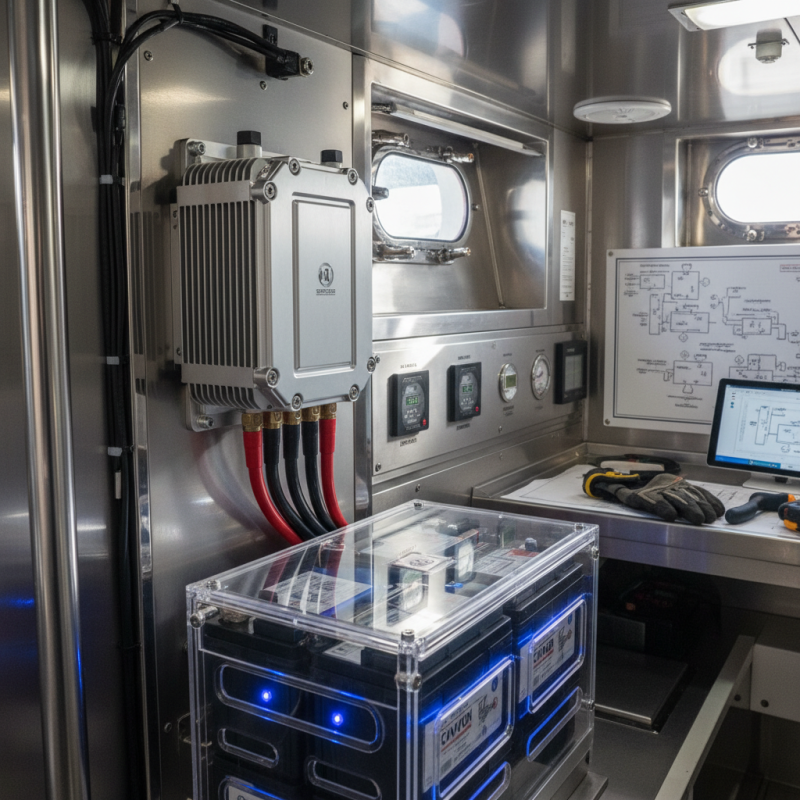
Overview of Marine Inverters and Their Importance in Power Management
Marine inverters play a crucial role in effective power management aboard vessels. They convert DC power from batteries into AC power, allowing for the operation of standard household appliances and devices. This is essential in ensuring a reliable power supply during your journeys. Without a good inverter, energy management becomes challenging when anchored or during long trips.
Choosing the right inverter can significantly impact energy efficiency. When selecting an inverter, consider factors like power output, efficiency ratings, and usability. It’s also important to match the inverter capacity to your power needs to avoid overloads.
Tips:
Always check for adequate ventilation around your inverter. Overheating can damage the unit.
Regularly inspect wiring connections for wear. This ensures optimal performance and safety.
Invest in a model that has built-in protections against voltage spikes. This adds a layer of reliability.
Understanding the nuances of marine inverters can lead to better energy management. Every choice impacts your operation, and poorly selected equipment can lead to frustration on the water. Evaluating your unique power requirements and potential future expansions is essential.
Key Features to Look for in High-Performance Marine Inverters
When selecting a marine inverter, it's essential to understand its key features for effective power management. One crucial aspect is efficiency. High-efficiency models can achieve over 90% energy conversion. This means less energy waste and improved battery life, vital for extended sea journeys. According to a report by the Marine Power Management Association, vessels using advanced inverters see a 25% boost in performance.
Another important feature is the inverter's surge capability. Many systems can handle short bursts of higher power, which is necessary for starting electric motors or running multiple devices simultaneously. Some high-end inverters manage surge demands exceeding 200% of their continuous rating. This is particularly important for onboard devices with higher starting currents.
Durability plays a pivotal role too. Marine environments are harsh. Salt water and moisture can damage electronic components. Inverters designed specifically for marine use often come with coatings that resist corrosion. Regular maintenance is also necessary; without it, even the best systems may fail. Proper evaluation and selection of these features can ensure reliable power solutions for maritime activities.
Top Brands and Models of Marine Inverters Reviewed for Efficiency
When it comes to marine inverters, efficiency is critical for reliable power management. Studies reveal that high-efficiency inverters can reduce energy losses by up to 20% compared to standard models. This is vital in marine environments where power availability can impact safety and comfort on board.
Several top marine inverter models are recognized for their performance. For instance, inverters with pure sine wave outputs have shown to operate more effectively with sensitive electronics. According to industry data, these inverters help maintain component lifespan by minimizing electrical noise. However, installation complexity remains a concern. Many users report that setup can be more challenging with advanced models, which may not be suitable for every boat owner.
User feedback emphasizes the importance of user-friendly interfaces. Some units are difficult to navigate, leading to frustration. Additionally, while many inverters boast high wattage capacities, the actual power delivery can vary under load, highlighting a need for careful consideration before selection. As users seek reliability, understanding these nuances enhances decision-making in choosing the right inverter for marine applications.
Top Marine Inverters for Efficient Power Management Solutions
Installation and Maintenance Tips for Marine Inverters
Installing marine inverters requires careful consideration. Start by selecting a location with good ventilation. Inverters generate heat, and this affects performance. Ensure the area is dry to prevent moisture damage. Use secure mounts to avoid vibration issues while sailing. Over time, environmental factors can cause cables to wear out. Check your connections frequently.
Maintenance is crucial for longevity. Regularly inspect the inverter for corrosion or wear. Dust can accumulate, so clean the exterior often. Monitor system performance periodically. If you notice fluctuations, it may signal an issue. Keeping a maintenance log can help track any irregularities.
Proper installation and diligent maintenance can seem daunting. It’s easy to overlook even minor details. A misplaced cable can lead to inefficiencies. Continuous education about your inverter will pay off. Utilize available resources to gain insights into best practices. This proactive approach will enhance your vessel's efficiency.
Comparative Analysis: Marine Inverters vs. Other Power Solutions
Marine inverters play a crucial role in power management for vessels. They convert DC power from batteries into AC power for various appliances, ensuring energy efficiency. In comparison to traditional generators, inverters offer quieter operation and reduced emissions. This is vital for maintaining a peaceful environment on board while also being environmentally friendly.
When examining marine inverters against other power solutions, several factors come into play. Inverters tend to be lighter and more compact than their generator counterparts. This can significantly reduce the overall weight of a vessel, enhancing its performance. However, inverters require a battery source to operate, which can add complexity and maintenance needs.
Efficiency is key in marine environments. Inverters provide stable power output, essential for sensitive equipment. Yet, they might struggle with peak load demands, which can lead to system failures. On the other hand, generators can handle such loads but at the cost of higher fuel consumption and noise levels. Balancing these pros and cons is critical for best practices in marine power management.
Top Marine Inverters for Efficient Power Management Solutions
| Feature | Marine Inverters | Traditional Power Solutions | Portable Generators |
| Efficiency | 90%-95% | 75%-85% | 70%-80% |
| Output Waveform | Pure Sine Wave | Modified Sine Wave | Modified Sine Wave |
| Weight | 10-40 lbs | 40-100 lbs | 50-120 lbs |
| Noise Level | Very Low | Moderate | High |
| Maintenance | Low | Medium | High |
| Cost | $300-$1200 | $500-$3000 | $200-$1000 |