Skip to content

Top Taxi Rooftop Advertising Suppliers for Global Buyers?

Choosing a rooftop advertising supplier is not just a matter of comparing prices. Global buyers must consider vehicle compatibility, production quality, installation support, and campaign reporting. Taxi Rooftop Advertising can make a brand visible at street level, where commuters and pedestrians see the message repeatedly. But visibility alone does not guarantee useful results.

A dependable supplier should explain its materials, printing process, delivery schedule, and quality checks in clear terms. Ask for sample photos or physical mock-ups, especially when artwork must fit different roof units. Confirm how the supplier handles packaging, replacement parts, and communication across time zones. Small details matter. A poorly fitted panel or faded graphic can weaken an otherwise strong campaign.

This guide introduces supplier-selection factors for buyers comparing options across markets. It focuses on practical questions, not broad promises: Can the supplier meet the required specifications? Are timelines and costs documented? Is support available after delivery? References and case studies can help, though they may not reflect every buyer’s experience. No supplier is perfect. Even a careful checklist can miss local operating differences, so buyers should verify requirements with their campaign partners before ordering. The aim is a more informed shortlist—and fewer surprises once the advertising units arrive.
Top Taxi Rooftop Advertising Suppliers for Global Buyers?

What Is Taxi Rooftop Advertising?

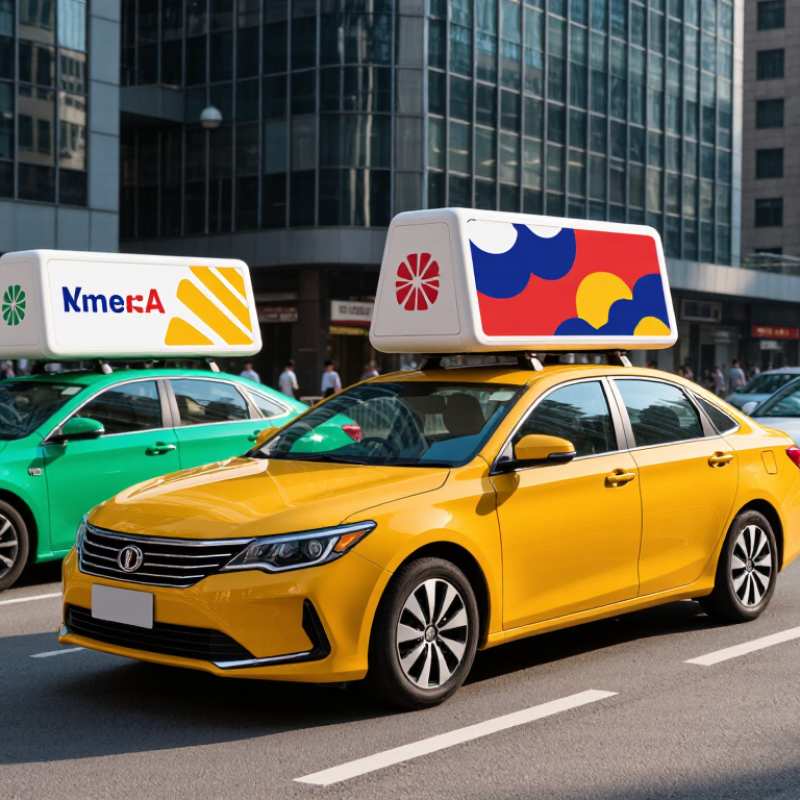
Taxi rooftop advertising uses a display mounted on a vehicle’s roof to carry a message through streets and neighborhoods. The display may be a printed panel or a digital screen, depending on the campaign setup. Unlike a fixed billboard, it moves with the taxi, so exposure can vary by route, traffic, and time of day. A bright panel near a busy intersection may catch a pedestrian’s eye, while the same taxi can spend part of its shift on quieter roads. Simple idea. Variable results.

For campaign planning, consider the display size, viewing distance, and how quickly people can read the message. Keep the wording brief and the contrast clear. Ask suppliers how units are secured, powered, and maintained, and request details on route reporting before comparing quotes. A polished mockup is useful, but it cannot guarantee attention.

Tips: Match the message to the taxi’s likely routes. Check installation quality and screen brightness in daylight. Leave room for adjustments; real traffic patterns can differ from a plan.

How Taxi Rooftop Advertising Systems Work

Taxi rooftop advertising systems combine a roof-mounted display, a secure mounting frame, power controls, and communication hardware. Digital units typically draw power from the vehicle through a protected electrical connection. A controller manages screen content, brightness, and operating times. Some systems receive campaign updates through a cellular connection and use location data to report where a taxi has traveled. Static panels work differently: printed graphics are fitted into a weather-resistant enclosure and changed by hand. Small details matter. Seals must keep out rain, while mounts must resist vibration, wind, and repeated road use.

Campaign software can schedule different messages by time or area, but a live display is not automatically a reliable one. Weak connectivity may delay updates, and excessive brightness can distract drivers or waste power. Installers should check vehicle clearance, cable routing, weight distribution, and the driver’s view before fitting equipment. Routine inspections can catch loose fasteners, cracked covers, or dim sections early. Measurement also needs care: route data can show exposure opportunities, not prove that every passenger noticed an advertisement. The setup looks simple from the sidewalk. It is less simple on a wet night, when a small seal failure can become a costly repair.

How Taxi Rooftop Advertising Systems Work

A typical operating sequence, from campaign setup to performance reporting. Bars show step order, not measured duration or market share.

An advertiser or operator schedules content in a campaign platform. The rooftop display receives the content over a network or through local storage, presents it during service, and may send playback or device-status data back for monitoring.

Types of Taxi Rooftop Advertising Suppliers

Top Taxi Rooftop Advertising Suppliers for Global Buyers?

Types of Taxi Rooftop Advertising Suppliers

Taxi rooftop advertising suppliers generally fall into four groups. Media owners sell access to vehicles they operate or manage. Fleet aggregators coordinate placements across independent taxi companies. Hardware integrators supply roof units, installation, and maintenance. Campaign agencies handle creative production, booking, and reporting. Some suppliers cover several roles, so buyers should confirm who controls each part.

The Outdoor Advertising Association of America reported that U.S. out-of-home advertising revenue reached $9.1 billion in 2024, a 4.5% year-on-year increase. This figure covers the wider out-of-home market, not taxi rooftops specifically. Treat it as market context, not proof of taxi campaign performance. Ask suppliers how they verify active vehicles, route coverage, screen uptime, and campaign delivery. A large fleet claim means little without city-level evidence.

Tips: Request a sample proof-of-play report and a clear maintenance plan. Check whether vehicle counts are active and independently verifiable. A small test can reveal gaps. So can a rainy week.

How Global Buyers Can Compare Suppliers

Global buyers should compare taxi rooftop advertising suppliers by verified delivery, not quoted vehicle counts alone. Ask for route-level plans, operating hours, active-car records, and dated installation photos. A supplier listing 500 taxis may deliver fewer active displays during a typical week. Request campaign logs and a clear process for replacing damaged or inactive units.

Measurement deserves equal scrutiny. The Outdoor Advertising Association of America reported that U.S. out-of-home advertising revenue reached $9.1 billion in 2023, up 2.1% year over year. That growth signals a substantial channel, but it does not prove any taxi campaign’s reach. Ask suppliers how they estimate exposure, define impressions, and account for route overlap. Prefer estimates that explain their assumptions and can be checked against dispatch or mobility data. Numbers need context.

Compare production quality and service terms, too. Request material samples, weather-resistance details, installation timelines, and local maintenance response times. Confirm who handles permits and site requirements in each operating market. Review contracts for make-goods when vehicles are unavailable, plus reporting frequency and data ownership. A low price can hide thin reporting. I would still allow room for judgment: route quality and driver cooperation may vary more than a proposal suggests. Check a small pilot before committing to a large rollout.

Key Steps in Sourcing and Managing a Campaign

For global buyers, sourcing taxi rooftop advertising starts with a precise brief: target districts, operating hours, vehicle types, campaign dates, and language requirements. Ask each supplier for active vehicle counts by route, not just total fleet size. Request recent installation photos and a sample delivery report. Small details matter. The Outdoor Advertising Association of America reported that U.S. out-of-home revenue reached $9.1 billion in 2024, up 4.5% year over year. That growth signals a competitive channel, but it does not guarantee local reach. Compare vendors using the same route and coverage definitions, and confirm how missed service is documented.

Before launch, agree on artwork specifications, installation standards, replacement timelines, and proof-of-display requirements. A dated photo log and a simple weekly report can reveal gaps early. Test before scaling. A short pilot across contrasting neighborhoods can show whether vehicle routes match the intended audience; however, a small sample may not represent a full campaign. Set measurable goals, such as covered service hours or verified vehicle-days, rather than relying only on impressions. For multi-country campaigns, confirm local advertising rules, approved materials, currency, taxes, and reporting units with each supplier. Build time for review and reprinting into the schedule. One weak point is often overlooked: route changes can quietly reduce exposure, so require notice and a clear make-good process.

Top Taxi Rooftop Advertising Suppliers for Global Buyers? — Key Steps in Sourcing and Managing a Campaign

Sourcing or Campaign Step What to Assess Evidence to Request Buyer Action Useful Campaign Measure
Define campaign needs Target cities, audience, dates, language, budget, creative format, and whether the campaign requires static or digital rooftop displays. A written campaign brief with market list, schedule, deliverables, and approval requirements. Separate essential requirements from preferences before requesting proposals. Planned coverage by city, campaign dates, and number of participating vehicles.
Check geographic coverage Availability of eligible taxis, operating areas, service hours, and the supplier’s ability to coordinate across multiple markets. Market-by-market inventory plan, vehicle availability assumptions, and local operating contacts. Confirm that coverage applies to the specific neighborhoods and campaign period—not just the city name. Active vehicles and operating days by market.
Verify local rules Permits, vehicle and display requirements, advertising restrictions, and rules for illuminated or digital screens. Requirements can differ by jurisdiction. Written explanation of applicable approvals, responsible parties, and any restrictions affecting the proposed format. Check requirements with the relevant local authority or qualified adviser before committing to installation or launch. Approvals obtained and outstanding compliance issues.
Review inventory and operations Vehicle eligibility, installation process, equipment maintenance, driver or fleet coordination, and replacement arrangements for unavailable vehicles. Operational plan covering installation, inspections, troubleshooting, and service continuity. Agree how vehicle substitutions, equipment failures, and missed operating days will be handled. Installed and operational vehicles compared with the contracted plan.
Confirm creative specifications Display dimensions, file types, resolution, brightness limits where applicable, content duration, and language versions. Current production specifications and a sample approval workflow. Submit artwork early and obtain written approval before production or upload. Creative approval status and number of rejected or revised assets.
Compare proposals and contracts Pricing basis, included services, taxes, production or installation charges, cancellation terms, make-goods, and reporting obligations. Itemized proposal and contract specifying deliverables, dates, markets, and service responsibilities. Compare offers on the same scope and clarify exclusions before signing. Contracted deliverables versus the final approved plan.
Manage launch and quality checks Installation completion, correct creative, display visibility, and campaign start date. Launch confirmation, dated installation records, and issue-escalation contacts. Use a market-level launch checklist and report discrepancies promptly. Launch completion by market and time to resolve reported issues.
Monitor delivery Vehicle participation, campaign uptime where measurable, display status, and fulfillment of contracted service levels. Regular delivery reports with reporting dates, market breakdowns, and definitions for each metric. Review reports during the campaign and document any shortfalls against agreed terms. Verified delivery against contracted vehicle-days or other agreed delivery units.
Evaluate results and close out Delivery, location coverage, audience estimates, and any available response data. Audience estimates are not the same as directly counted views. Final report stating data sources, measurement method, assumptions, and any make-good delivery. Assess performance against the original brief and record lessons for future market selection. Delivered coverage, agreed audience estimates, campaign issues, and completed make-goods.

Buyer note: Taxi rooftop inventory, measurement methods, permits, and operating conditions vary by market. Confirm local requirements and agree on reporting definitions in writing before launch.