Top 10 Titanium Dinner Plates for Camping and Travel
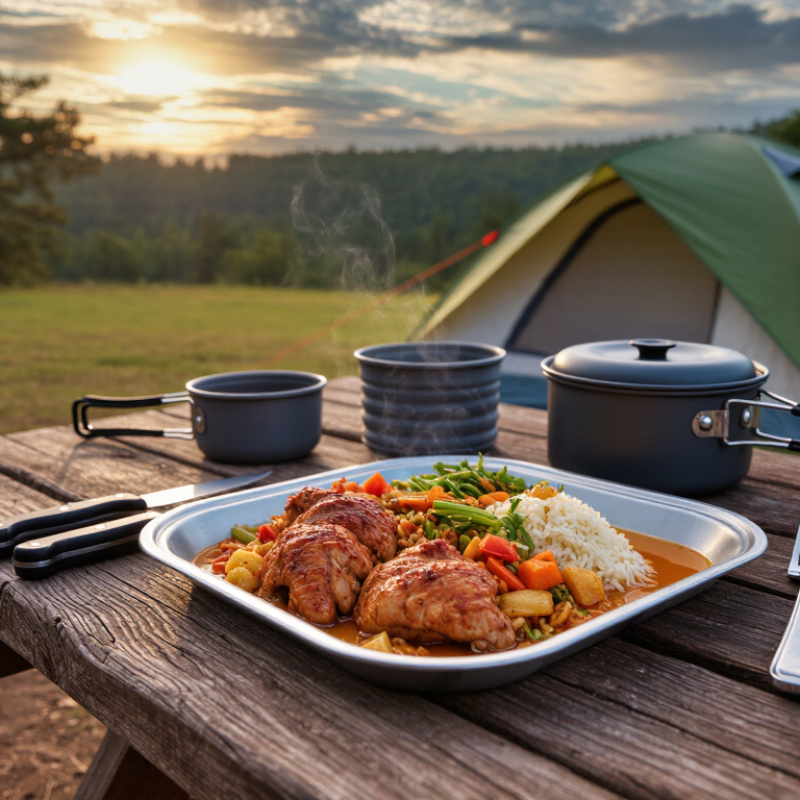
A Titanium Dinner Plate can make camp meals simpler without adding much weight. It suits backpackers, road-trippers, and campers who want durable, reusable tableware. Picture a warm meal beside a tent, with a plate that rinses clean and packs easily. Small details matter. Rim depth helps keep rice or sauce in place, while a broad shape makes serving easier. Titanium is lightweight and corrosion-resistant, but plates can feel hot when they hold freshly cooked food. They may also cost more than basic alternatives.
This guide compares ten options for camping and travel, focusing on weight, dimensions, durability, cleaning, and practical value. A plate should fit your cooking kit, not just look impressive online. Check whether its edges feel comfortable and whether its size suits the meals you actually eat. One trade-off is easy to overlook: very light plates can feel less stable on uneven ground. No verified expert quotation was supplied, so this introduction avoids inventing a named specialist or attributing an unsupported statement. The comparisons aim to help readers choose with clear expectations, rather than promise one perfect plate for every trip. Your campsite may be muddy. Your dinner still deserves a dependable place to land.
Understanding Titanium Dinner Plates and Their Key Features
Titanium dinner plates are valued for low weight, corrosion resistance, and simple care. On a hike, that weight difference matters when every item shares space in a small pack. A plate may weigh only a fraction of a comparable ceramic dish. It will not shatter if it slips onto dirt or rock, though thin titanium can still bend or dent.
Look closely at the rim, depth, and surface finish. A raised edge helps keep rice, chopped vegetables, or sauce from sliding off when a picnic table is uneven. Shallow plates pack neatly, but they can be awkward for stews. Smooth surfaces rinse clean with a little water; brushed finishes may show scratches over time. Not a deal-breaker. Just visible wear.
Titanium transfers heat less readily than many metals, but a thin plate can still become warm beside a hot pot or over a flame. Check the maker’s care guidance before using it with direct heat. For serving meals, a stable shape and comfortable edge often matter more than the lightest possible weight. I would not call any plate indestructible: repeated pressure in a tightly packed bag can distort its shape. A lid or cloth between cookware can help.
Top 10 Titanium Dinner Plates for Camping and Travel - Understanding Titanium Dinner Plates and Their Key Features
| Rank | Plate Type | Typical Diameter | Indicative Weight | Key Features | Best For | Considerations |
|---|---|---|---|---|---|---|
| 1 | Ultralight Shallow Plate | 15–17 cm (5.9–6.7 in) | About 35–60 g | Compact, low-profile design with minimal material and easy packability. | Solo backpacking, snacks, and lightweight travel meals. | Limited capacity; less suitable for large portions or saucy foods. |
| 2 | Compact Rimmed Plate | 17–19 cm (6.7–7.5 in) | About 45–75 g | A raised rim helps keep small servings and loose food on the plate. | Day hikes, compact cook kits, and simple camp meals. | Smaller surface area than a standard dinner plate. |
| 3 | Standard Shallow Dinner Plate | 20–22 cm (7.9–8.7 in) | About 60–100 g | Balanced size for everyday meals without taking up much pack space. | General camping and travel use. | Can feel flexible if made from very thin titanium sheet. |
| 4 | Deep-Rim Plate | 19–21 cm (7.5–8.3 in) | About 70–115 g | Deeper sides help contain rice, chopped food, and meals with light sauces. | Campers who want one plate for varied meals. | Less convenient to stack than a flat plate of the same diameter. |
| 5 | Wide Family-Style Plate | 23–25 cm (9.1–9.8 in) | About 90–150 g | Larger serving area accommodates generous portions and shared sides. | Car camping and group camps with roomier equipment. | Uses more pack or storage space than compact models. |
| 6 | Raised-Edge Utility Plate | 20–23 cm (7.9–9.1 in) | About 75–125 g | Defined edges make it easier to scoop food and reduce spills. | Uneven campsites, family trips, and meals eaten outdoors. | Edge height and shape can affect how efficiently plates nest. |
| 7 | Stackable Nesting Plate | 18–22 cm (7.1–8.7 in) | About 60–110 g | Shaped to fit neatly with similar plates or compatible camp cookware. | Travel groups and organized camp-kitchen kits. | Check the plate’s rim and profile against the items it is meant to nest with. |
| 8 | Lightweight Plate with Folding Handles | 18–21 cm (7.1–8.3 in) | About 80–140 g | Folding handles can make a hot plate easier to hold or move. | Camp cooking setups where serving directly from cookware is useful. | Handles add parts and may increase packed dimensions or cleaning effort. |
| 9 | Heavy-Gauge Travel Plate | 20–23 cm (7.9–9.1 in) | About 110–180 g | A sturdier feel can resist bending better than an ultralight, thin plate. | Frequent use, vehicle travel, and rugged camp kitchens. | Typically heavier than a thin-gauge alternative of similar size. |
| 10 | Compact Deep Plate | 16–19 cm (6.3–7.5 in) | About 55–95 g | Deeper sides provide useful capacity in a small footprint. | One-person travel kits and meals with grains or chopped ingredients. | Its smaller diameter may make it less convenient for flat foods. |
Note: Dimensions and weights are indicative ranges for common lightweight titanium plate designs, not specifications for individual products. Actual values vary with diameter, depth, rim shape, and material thickness. Titanium is valued for its low weight and corrosion resistance; plates are generally intended for serving rather than direct cooking over a flame.