Skip to content

Top 5 Wire Harness Connectors You Need to Know?

Wire harness connectors play a crucial role in countless industries, facilitating reliable and efficient electrical connections. According to expert Alex Mercer, a leading engineer at Diverse Connectors Inc., “Choosing the right wire harness connectors can significantly impact system performance.” This statement highlights the importance of understanding these components.

Wire harness connectors come in various shapes, sizes, and materials. Selecting the right type ensures lower maintenance costs and improved safety. Unfortunately, many overlook these details, leading to potential failures in systems where reliability is essential. For instance, improper connectors can cause overheating, signal loss, or even catastrophic equipment failure.

Ultimately, recognizing the top wire harness connectors enhances not just performance but also longevity. Many companies may underestimate their significance, focusing on other aspects of design. Emphasizing the right connectors minimizes future problems. In a world reliant on technology, understanding wire harness connectors is not just beneficial—it’s vital for success.
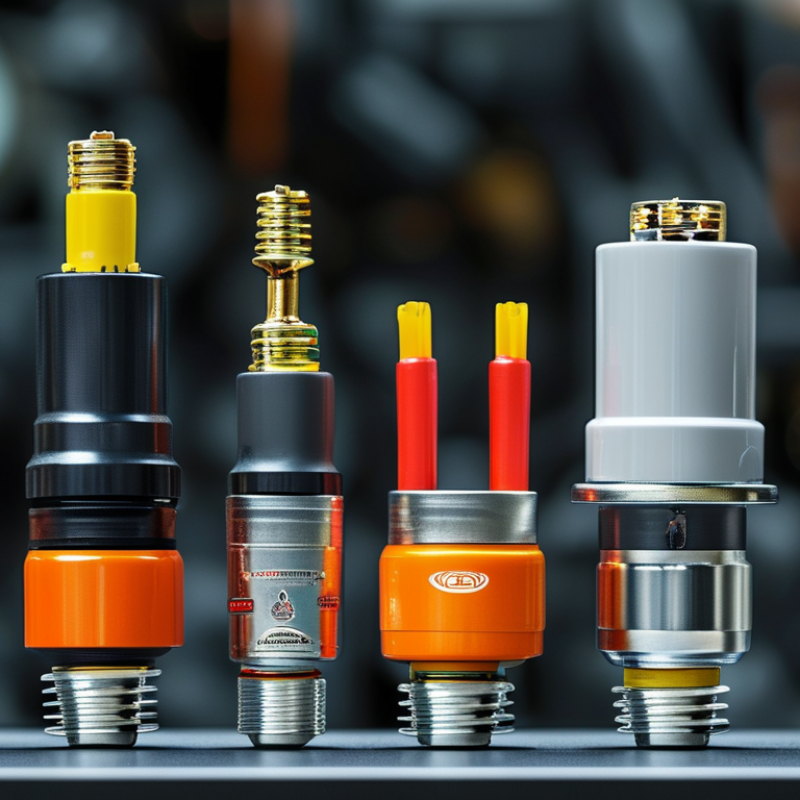
Top 5 Wire Harness Connectors You Need to Know?

Key Features of Wire Harness Connectors You Should Consider

When selecting wire harness connectors, several key features warrant careful consideration. The materials used in connectors play a crucial role in their durability and performance. High-quality materials can resist corrosion and wear, enhancing the longevity of your projects. Look for connectors made from reliable compounds that can withstand various environmental conditions.

The design of the connector also impacts functionality. A connector’s size, shape, and pin arrangement should be compatible with your specific application. Compact designs may save space but could complicate installations. Some connectors require additional shielding, especially in high-frequency applications, to prevent signal interference. Think about your project's unique requirements.

Consider the ease of assembly and maintenance as well. Some connectors may need specialized tools for installation, which can increase costs and labor time. Additionally, think about the availability of replacement parts. Having a reliable supply of compatible connectors ensures that future repairs or upgrades won't derail your project. Reflect on these aspects to make informed choices about the connectors you select.

Top 5 Wire Harness Connectors You Need to Know

Connector Type Key Features Applications Max Current (A) Temperature Range (°C)
Molex Connector Compact design, reliable locking mechanism Consumer electronics, automotive 5-10 A -40 to 125
JST Connector Small size, low insertion force Robotics, drones 3 A -25 to 85
Anderson Powerpole Color-coded, stackable design DC power applications, racing 15-200 A -20 to 105
Deutch Connector Sealed, robust and weatherproof Heavy machinery, outdoor applications 20-100 A -40 to 125
Hirose Connector Durable, multiple sizes available Automotive, industrial 5-30 A -40 to 105

Common Types of Wire Harness Connectors Used in Various Industries

Wire harness connectors play a crucial role across various industries. They facilitate the connection of multiple electrical wires, enhancing the efficiency and reliability of devices. In the automotive sector, for instance, the International Energy Agency reported that about 90% of new vehicles are now using wire harness technology. This highlights the dependence on connectors in modern transportation systems.

In the telecommunications industry, connectors like RJ45 and SC Fiber are essential. They provide a seamless data transfer, crucial for Internet connectivity. According to a report by Allied Market Research, the global wire harness market is expected to reach $78.4 billion by 2026. This growth amplifies the need for high-quality connectors.

However, challenges persist. Quality control issues can lead to failures in connections. Depending on the application, connectors may not withstand environmental stressors, causing failures in critical systems. As industries evolve, improving the durability of these connectors becomes vital for safety and efficiency.

Factors Influencing the Selection of Wire Harness Connectors

When selecting wire harness connectors, several factors must be considered to ensure optimal performance. The environment in which the connectors will operate plays a crucial role. Connectors exposed to extreme temperatures, humidity, or vibration require specific materials and designs. The choice of material impacts durability and reliability. Considerations should include corrosion resistance and electrical conductivity.

Another important aspect is the connector’s compatibility with other components. The gauge of the wire and the size of the connector must align. Mismatched components can lead to performance issues. Validate specifications carefully and avoid shortcuts in the selection process.

**Tips:** Always consult technical specifications from reliable sources. This reduces the risk of errors. Think about the long-term implications of your choices. Sometimes, a less popular option performs better in certain conditions.

Design complexity is also a factor. Simpler designs can reduce the risk of failure. Yet, they may lack advanced features. It’s essential to balance ease of use with functionality. Aim for solutions that meet your needs without unnecessary complications. Reflect on past decisions and their outcomes to refine future connector choices.

Best Practices for Installing Wire Harness Connectors

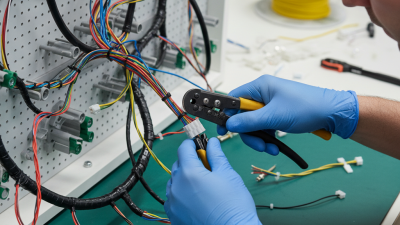
When installing wire harness connectors, attention to detail is essential. Begin by ensuring that all components are clean and free from debris. Dust or oil can lead to poor connectivity. Visual inspection is critical. Look for any signs of wear or damage on the connectors. If any irregularities are noted, replacement is required to maintain optimal performance.

Proper alignment is crucial during installation. Connectors should fit snugly without excessive force. Misalignment can result in failure or inconsistent electrical performance. Use proper tools to secure connections. A hand tool designed for the task will ensure that the connectors are installed without stress. Remember to double-check each connection after installation.

Taking time to review the process can reveal oversights. It's easy to rush through installations, but this often leads to future problems. Documenting each step can serve as a reflective practice. Ask yourself about your installation choices. Continuous improvement in technique will lead to better results and enhance reliability in the long run.

Maintenance Tips for Prolonging the Life of Wire Harness Connectors

Wire harness connectors are crucial in various applications. To ensure they last, proper maintenance is essential. Regular inspections play a significant role. Check for signs of wear or damage. Look for frayed wires or corrosion. These issues can lead to failures.

Cleaning is another important aspect. Use a dry cloth to wipe off any dust or dirt. If needed, mild cleaning solutions can help. Avoid using harsh chemicals, as they may damage the connectors. Also, ensure that the connectors are properly seated. Loose connections can affect performance and reliability.

Environmental factors can also impact wire harness connectors. Protecting them from extreme temperatures or moisture is vital. Consider applying heat shrink tubing for added protection. If you notice any irregularities, it is critical to address them quickly. Ignoring small problems can lead to significant issues later on. Regular maintenance ensures your connectors remain in top condition.

Top 5 Wire Harness Connectors You Need to Know

Understanding the performance ratings of different wire harness connectors is essential for maintenance and longevity. The above chart illustrates the performance ratings of five key wire harness connectors, enabling you to make informed decisions for your projects.