Global sourcing often looks simple on a spreadsheet, yet physical shipments reveal hidden costs and delays. US DDP Ocean Trucking can connect an overseas supplier with a US warehouse through coordinated ocean freight, customs handling, and inland delivery. The arrangement may cover duties, import taxes, port charges, and final trucking, depending on the written agreement. Clear responsibility matters.
A typical shipment begins when a supplier prepares compliant goods, commercial invoices, packing lists, and transport documents. The cargo then moves to an export port, crosses the ocean, and reaches a US destination port. A customs broker may review the entry, while a drayage carrier moves the container to a warehouse or distribution center. Small details matter. A wrong carton count can create expensive confusion.
Experienced buyers should confirm the exact DDP scope before placing an order. Ask who acts as importer of record, who pays duties, and who handles inspections or storage. Confirm delivery addresses, container limits, transit estimates, and insurance terms. Use qualified brokers and carriers with verifiable operating records. Keep every document organized.
DDP does not remove every commercial risk. Port congestion, weather, examinations, and incomplete paperwork can still interrupt delivery. That part is easy to underestimate. Rates may also exclude demurrage, detention, residential delivery, or special handling. A written quotation should identify these exceptions.
This guide explains how to evaluate US DDP Ocean Trucking for responsible global sourcing. It focuses on practical coordination, transparent costs, and legally compliant trade procedures. Some plans will need revision after the first shipment. That is normal. Careful review turns those lessons into a stronger sourcing process.
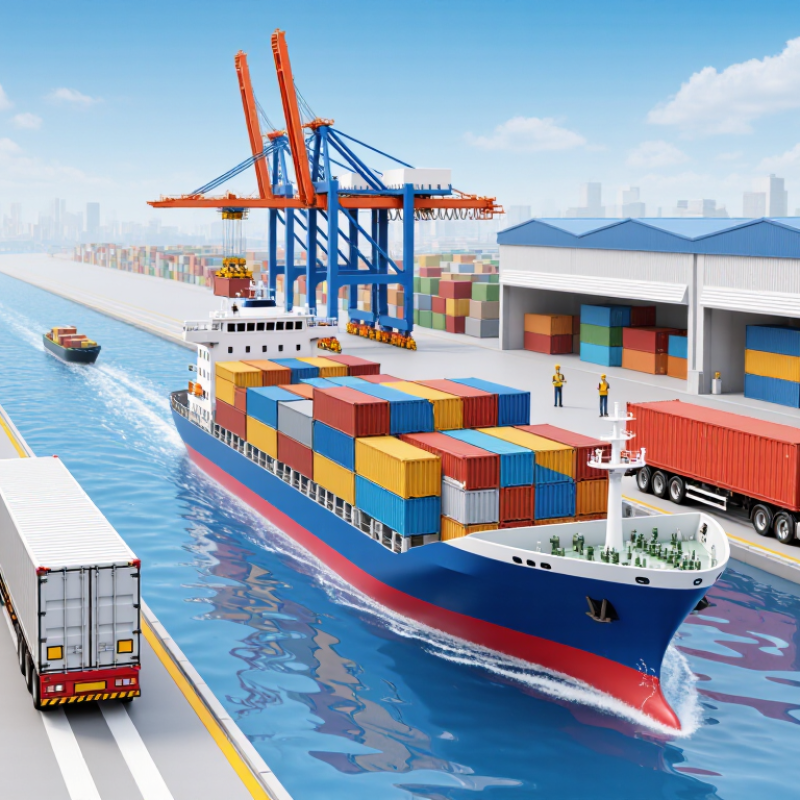
How to Use US DDP Ocean Trucking for Global Sourcing?
US DDP ocean trucking means the seller manages ocean transport, import clearance, duties, and final delivery. The buyer receives cargo at the agreed US location, usually without arranging separate customs payments. Under Incoterms 2020, the seller carries responsibility until the goods reach the named destination, ready for unloading. That detail matters. “Delivered” does not always mean unloaded.
Ocean freight remains central to sourcing. UNCTAD’s Review of Maritime Transport 2023 reports that ships carry over 80% of global merchandise trade by volume. After discharge, the container still needs a reliable US trucking appointment, chassis, terminal release, and delivery window. A practical DDP plan should match the commercial invoice, packing list, tariff classification, and importer information before sailing. Small inconsistencies can create expensive delays.
The World Bank’s Logistics Performance Index 2023 highlights customs efficiency, infrastructure, and timeliness as major logistics factors. DDP can improve cost visibility, but it is not automatically safer. The seller must confirm who legally acts as importer of record and who controls customs data. Duties and taxes also need written treatment. I have seen sourcing plans focus heavily on the ocean rate, while ignoring port storage and truck waiting charges. That is a costly blind spot. Build a shipment calendar with buffer days. Real schedules are rarely perfect.
Under Delivered Duty Paid (DDP), the seller is responsible for arranging and paying for the shipment to the agreed destination, including US import clearance, duties, ocean transport, and trucking.
The chart shows the contractual cost responsibility under standard DDP terms. The buyer generally receives the goods at the named destination without separately arranging the main logistics activities or paying import duties, while the seller manages the end-to-end delivery process.
US DDP ocean trucking works best when sourcing decisions begin with clear delivery requirements. Choose suppliers that can provide stable production, export documents, accurate packing lists, and responsive communication. Review their factory capacity, quality records, lead times, and backup plans before placing an order. A low unit price may hide weak packaging or repeated delays.
Define every product detail early. Include materials, dimensions, tolerances, labels, carton counts, and inspection standards. Confirm the correct tariff classification with qualified customs professionals, because an incorrect classification can change landed costs. Calculate product price, ocean freight, import duties, taxes, port charges, trucking, and possible storage fees. DDP can simplify coordination, but the seller must genuinely manage import clearance and final delivery.
Tips: Request a complete DDP quotation with exclusions shown clearly. Confirm the destination address, delivery appointment rules, and unloading equipment. Add time for production changes and port congestion. Keep a document checklist. Product samples should match the approved specification, not only the sales photo. Even careful plans can fail when carton measurements are guessed. I would rather revise a shipping plan early than discover missing costs after arrival. Review the arrangement with an experienced freight or customs specialist before shipment.
DDP ocean trucking connects overseas sourcing with delivery to a specified destination in the United States. The process starts when the buyer confirms product details, quantities, packaging, delivery address, and required arrival date. The seller then prepares export documents and books ocean space based on the cargo’s volume and schedule. Small errors matter here. A wrong carton count can affect loading, customs review, and final delivery.
After the goods leave the origin port, the shipment moves by ocean to a US port. During transit, the seller or appointed logistics partner prepares import paperwork, including the commercial invoice, packing list, and transport records. Customs duties and eligible taxes are arranged under the DDP agreement. The buyer should still review product descriptions and values carefully. DDP does not remove the need for accurate information.
Once customs releases the cargo, a trucker collects the container or recovered goods from the port. The shipment may pass through a warehouse, especially when delivery requires deconsolidation or appointment scheduling. The trucker then delivers it to the named address, where the buyer checks cartons, seals, and visible damage before signing. Timing can change because of port congestion, inspections, weather, or limited receiving hours. A practical operator tracks each handoff and keeps written records. Even then, one assumption may prove wrong. Confirm responsibilities before booking.
| Step | Process Stage | Key Activities | Required Information or Documents | Typical Timing | Main Cost or Responsibility | Completion Checkpoint |
|---|---|---|---|---|---|---|
| 1 | Define the Shipment Scope | Confirm product type, quantity, packaging, cargo value, delivery address, required delivery date, and whether the shipment will move as a full container or consolidated cargo. | Commercial invoice draft, packing list details, product description, carton dimensions, gross weight, and delivery address. | 1–3 business days | Buyer and supplier provide accurate cargo and delivery information. | Cargo data confirmed |
| 2 | Check Product Compliance | Review import restrictions, labeling rules, safety requirements, material declarations, and any permits that may apply to the product category. | Product specifications, test reports when applicable, certificates, labels, country-of-origin information, and regulatory declarations. | 2–7 business days | Any inspection, certification, testing, or special handling fees should be identified before booking. | Compliance risks reviewed |
| 3 | Request a DDP Quotation | Obtain a door-to-door quotation covering international transport and the agreed destination services. Confirm exclusions, validity period, transit assumptions, and delivery conditions. | Origin address, destination address, cargo details, customs value, requested shipping date, and delivery requirements. | 1–3 business days | The quotation should clearly separate included charges from possible surcharges, storage, demurrage, inspection, and accessorial fees. | Written quote approved |
| 4 | Confirm the DDP Arrangement | Agree on the delivery scope, customs handling method, importer-of-record arrangement, tax treatment, cargo insurance, payment terms, and liability limits. | Service agreement or purchase order, importer information, tax-related data when required, and final delivery instructions. | 1–5 business days | Under DDP terms, the seller generally bears responsibility for transport, export clearance, import clearance, and delivery to the named destination, subject to the agreed contract and local law. | Responsibilities documented |
| 5 | Prepare and Pack the Cargo | Complete production, quality checks, export-grade packing, carton marking, palletization, and container-loading preparation. | Final commercial invoice, final packing list, carton labels, weight and measurement data, and loading photographs where required. | 3–14 business days | Supplier normally controls product preparation and packing costs; unsuitable packaging can create rework, damage, or handling charges. | Cargo ready for pickup |
| 6 | Book Ocean Freight | Reserve vessel space, confirm the port pair, container type, cutoff dates, estimated sailing date, and shipping instructions. | Shipping instructions, verified cargo weight where required, exporter details, consignee details, and container requirements. | 2–7 business days before cutoff | Ocean freight charges may vary with season, equipment availability, route capacity, fuel costs, and port conditions. | Booking confirmed |
| 7 | Origin Pickup and Export Clearance | Collect the cargo, move it to the loading facility or port, complete export documentation, and submit the shipment for outbound customs processing. | Export declaration data, commercial invoice, packing list, transport instructions, and any required export permits. | 1–5 business days | Origin trucking, export handling, documentation, and export customs services are normally included only if stated in the DDP quotation. | Cargo accepted for export |
| 8 | Container Loading and Vessel Departure | Load and seal the container, issue transport documents, and move the container onto the scheduled vessel. | Container number, seal number, verified gross mass where applicable, bill of lading instructions, and final shipping documents. | 1–3 days after cargo arrival at the terminal | Terminal handling, documentation, and ocean freight charges are paid according to the agreed commercial arrangement. | Vessel departed |
| 9 | Ocean Transit and Shipment Tracking | Monitor the vessel, transshipment events, schedule changes, port congestion, and estimated arrival date. | Bill of lading number, container number, sailing details, and carrier or logistics-provider tracking updates. | Approximately 2–6 weeks, depending on route and service | Transit times are estimates and may change because of weather, congestion, blank sailings, customs holds, or operational disruptions. | Arrival plan updated |
| 10 | Import Customs Clearance | Submit the entry, classify the goods, determine customs value, pay applicable duties and taxes, and respond to customs requests or inspections. | Commercial invoice, packing list, bill of lading, customs entry data, product classification information, and permits when required. | 1–5 business days for a routine entry | Import duties and taxes depend on the product classification, customs value, origin, trade measures, and applicable regulations. They should be confirmed before shipment. | Cargo released by customs |
| 11 | Port, Terminal, and Inland Transfer | Arrange container pickup or deconsolidation, transfer the cargo through the destination terminal, and schedule the inland move to the final delivery address. | Delivery order, customs release confirmation, appointment details, warehouse instructions, and receiving hours. | 2–7 business days after release | Destination terminal charges, chassis or equipment fees, storage, demurrage, detention, and special delivery charges depend on the agreed scope and timing. | Final-mile appointment booked |
| 12 | Final-Mile Truck Delivery | Deliver the cargo to the named destination, unload according to the agreed service level, and obtain proof of delivery. | Delivery appointment, receiving instructions, delivery order, contact information, and proof-of-delivery requirements. | 1–3 business days after inland dispatch | Standard delivery may exclude liftgate service, inside delivery, residential delivery, appointment changes, waiting time, or remote-area surcharges. | Proof of delivery received |
| 13 | Closeout and Record Keeping | Reconcile the invoice, archive shipping records, review delivery performance, report exceptions, and document any claims or shortages. | Proof of delivery, final invoice, customs records, inspection reports, damage photographs, and claim documentation if applicable. | 2–10 business days after delivery | Claims should follow the agreed notice period and evidence requirements. Retain trade and customs records according to applicable legal and internal policies. | Shipment closed |
Delivered Duty Paid (DDP) ocean trucking can simplify global sourcing. The seller arranges ocean freight, customs clearance, import duties, and inland delivery. The buyer receives cargo at the agreed US address. UNCTAD’s Review of Maritime Transport 2023 reports that ships carry over 80% of global merchandise trade. Ocean shipping remains cost-effective, but DDP pricing requires careful inspection.
A DDP quote should include origin handling, export documents, ocean freight, terminal charges, customs brokerage, duty, taxes, chassis fees, and final trucking. Duty depends on the product’s correct HTS classification and declared customs value. Delivery is not complete at the port. It ends at the named destination. The seller must coordinate the importer-of-record process and provide accurate commercial documents. Errors can create storage fees, delays, or reassessment costs.
The World Bank’s 2023 Logistics Performance Index gave the United States an overall score of about 3.8 out of 5, while customs performance remained below perfect efficiency. That gap matters. State-level delivery charges, appointment rules, and local taxes may sit outside vague quotations. Ask for a line-item cost sheet. Confirm who pays demurrage after free time expires. Also verify whether insurance is included, because DDP does not automatically remove cargo risk. A low quote can be incomplete. That is the uncomfortable part.
DDP ocean trucking can simplify global sourcing, but it transfers more responsibility to the seller. The seller manages ocean transport, customs clearance, duties, and final delivery in the United States. This sounds convenient. It is not risk-free. UNCTAD’s Review of Maritime Transport 2024 states that shipping carries over 80% of global merchandise trade by volume. A small delay can therefore affect inventory, production, and customer promises.
Risk management starts with a clear landed-cost model. Separate ocean freight, customs duties, merchandise processing fees, drayage, storage, and final-mile trucking. Confirm who acts as importer of record and who controls customs data. Track on-time delivery, clearance time, cargo damage, detention charges, invoice variance, and cost per shipment. The World Bank’s Logistics Performance Index 2023 highlights customs efficiency and shipment timeliness as major logistics performance factors. Use those measures monthly, not only after a dispute. In practice, a cheap DDP quote may conceal weak delivery control. I have seen schedules fail because delivery appointments were assumed, not booked.
Tips: Request a weekly milestone report. Compare quoted and actual landed costs. Keep commercial invoices consistent with packing lists. Review three months of results before expanding volume. Ask for proof of cargo insurance and a written process for delays, inspections, and damaged cartons. Perfect performance is unlikely. Transparent recovery matters more.