Skip to content

What is a Vacuum Brazing Furnace and How Does It Work?

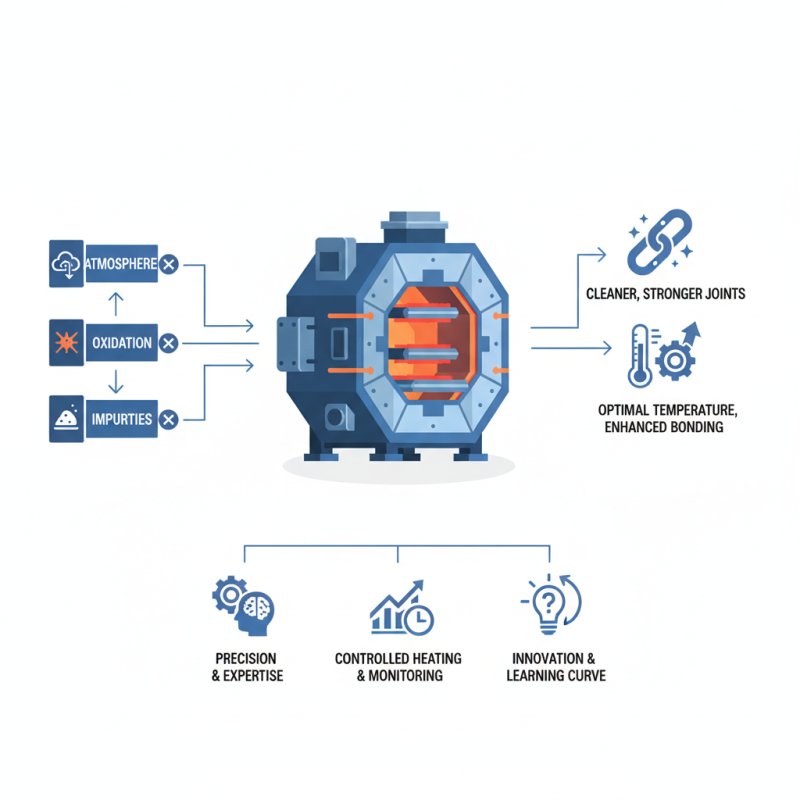
A Vacuum Brazing Furnace is a specialized piece of equipment used in metal joining processes. It offers unique advantages over traditional brazing methods. The vacuum environment eliminates oxidation and impurities. This ensures cleaner and stronger joints in metal assemblies.

Operating a Vacuum Brazing Furnace requires precision and expertise. The process involves heating materials in a controlled atmosphere. This allows for optimal temperature regulation and enhanced bonding. Despite its benefits, the technology can seem daunting. Users must be aware of various operating parameters to achieve desired results. It demands careful monitoring throughout the brazing cycle.

Understanding the capabilities of a Vacuum Brazing Furnace can lead to innovations in manufacturing. However, not every application may benefit. There is a learning curve involved, and not all professionals are trained in using such advanced equipment. Refining the process takes practice and patience. It is essential to remain open to experimenting with different techniques for better bonding outcomes.
What is a Vacuum Brazing Furnace and How Does It Work?

What is a Vacuum Brazing Furnace?

A vacuum brazing furnace is a specialized device used in metal joining processes. It operates under vacuum conditions, which is crucial for reducing oxidation. The furnace reaches high temperatures, typically between 800°C and 1200°C. This heat allows the filler metal to flow and bond two workpieces together.

Vacuum brazing is becoming increasingly popular in various industries. According to a market research report by Reports and Data, the global vacuum brazing market is projected to reach $300 million by 2027. The growth is driven by the aerospace and automotive sectors. These industries require high-performance materials and reliable joints. The absence of oxidation in vacuum conditions ensures stronger bonds.

However, challenges exist. The high cost of vacuum brazing furnaces limits accessibility for small manufacturers. Additionally, achieving uniform heat distribution can be difficult. Some users report inconsistencies in joint strength. Proper calibration and staff training are essential to address these issues. Continuous refining of techniques is necessary for optimal results. The learning curve can be steep for new operators.

Key Components of Vacuum Brazing Furnaces

Vacuum brazing furnaces play a crucial role in modern metallurgy. These furnaces are designed to bond materials using a filler metal in a vacuum environment. This process eliminates oxidation and contamination. Some key components define the efficiency and functionality of these furnaces.

The heating chamber is essential. It provides the necessary temperatures for brazing. Without precise heating, achieving the right joint strength becomes difficult. Another vital element is the vacuum system. This system removes air and moisture, which can introduce flaws in the brazed joint. Effective vacuum levels are critical. Operators must monitor these closely for optimal results.

Control systems regulate the entire process. They ensure temperatures and vacuum levels are stable. This element appears simple but is often complex in practice. Operators should ideally document their processes for better tracking. Maintenance is also important. A well-maintained furnace operates more efficiently, but many skip routine checks. These components work in harmony, but any oversight can lead to significant issues.

The Brazing Process: How Vacuum Technology Enhances Efficiency

Vacuum brazing is a specialized process that enhances efficiency in metal joining. In a vacuum brazing furnace, the environment eliminates oxygen and contaminants. This purity allows for stronger bonds between components. A significant advantage is its ability to join dissimilar metals, which traditional methods often struggle to achieve. According to a report from the Welding Journal, vacuum brazing can increase joint strength by up to 40% compared to conventional techniques.

The efficiency of vacuum technology is evident in heat distribution during the brazing process. With a controlled vacuum, heat transfers uniformly. This reduces the likelihood of thermal stress and distortion in the materials being joined. Reports indicate that using vacuum brazing can cut production time by 20% compared to atmosphere-based processes. However, there are still challenges. Equipment costs can be prohibitive for smaller operations. Skilled technicians are also essential to navigate the complexities of the process.

Moreover, the initial setup for vacuum brazing requires investment and expertise. This can pose a barrier for entry for some businesses. Additionally, the process may not suit every application. Some materials may not respond well to vacuum conditions. Continuous improvement and adaptation to these challenges are vital for advancing the vacuum brazing field.

Applications of Vacuum Brazing in Various Industries

Vacuum brazing is a key process used across various industries. It involves the joining of materials, typically metals, in a vacuum environment. This method is crucial for applications requiring strong bonds and high performance. The heat treatment process reduces oxidation and contamination, enabling better adhesion between the parts.

In aerospace, vacuum brazing is vital for turbine engines. Components must withstand extreme conditions. A robust and reliable bond is essential. In electronics, it is used to assemble delicate parts without damaging them. The precision of this technique ensures circuit reliability over time. The medical industry also benefits from brazing for creating durable instruments. These tools often require intricate designs and materials that perform well under stress.

However, the process is not without its challenges. Ensuring uniform heating can be tricky, and minor flaws may lead to failures. Engineers must constantly refine their techniques and equipment. This need for ongoing improvement highlights the complexity of vacuum brazing. Each industry has unique requirements that must be met to ensure success.

Benefits and Challenges of Using Vacuum Brazing Furnaces

Vacuum brazing furnaces provide unique advantages in metal joining. They operate in a controlled atmosphere, removing contaminants. This ensures strong, precise joints between metal surfaces. Industries such as aerospace and automotive benefit significantly from this technology. However, challenges exist. The initial investment can be high. Maintenance requires expertise and careful monitoring.

When considering a vacuum brazing furnace, focus on its energy efficiency. These furnaces often consume less energy compared to traditional methods. However, the design can become complex, leading to potential downtime during repairs. It's essential to train staff properly to avoid costly mistakes during operation.

Tip: Regularly check vacuum seals to maintain optimal performance. This can prevent contamination and protect your investment. Consider running tests on small batches before full-scale production. This reduces risk and allows for adjustments. Remember, even small changes can impact outcomes significantly.