Skip to content

What Is a Vehicle Fire Suppression System?

A Vehicle Fire Suppression System is designed to detect and control a fire before it overwhelms a vehicle. Depending on the design, sensors may respond to heat or flame and trigger an extinguishing agent. No system removes every risk. Its value depends on proper selection, installation, inspection, and maintenance.

The hazards differ. An engine compartment contains hot surfaces, fuel, and wiring. A heavy vehicle may also carry hydraulic components or other combustible materials. A suitable system must match the protected area and the fire risks present. Fire-protection engineer James A. Milke’s work offers a useful principle, paraphrased here rather than presented as a verbatim quotation: suppression should be matched to the hazard. That distinction matters.

Picture a warning light, a heat-damaged cable, or a blocked discharge nozzle. Small details can affect whether a system performs as intended. Operators should understand its indicators and follow the manufacturer’s inspection guidance. A qualified professional can assess whether the system suits the vehicle and its operating conditions. This introduction explains the main components, how detection and discharge work, and what to consider when evaluating a system. It also recognizes a practical limitation: equipment can support fire response, but it cannot replace careful maintenance or emergency procedures. Each vehicle has its own risks. That is worth remembering.
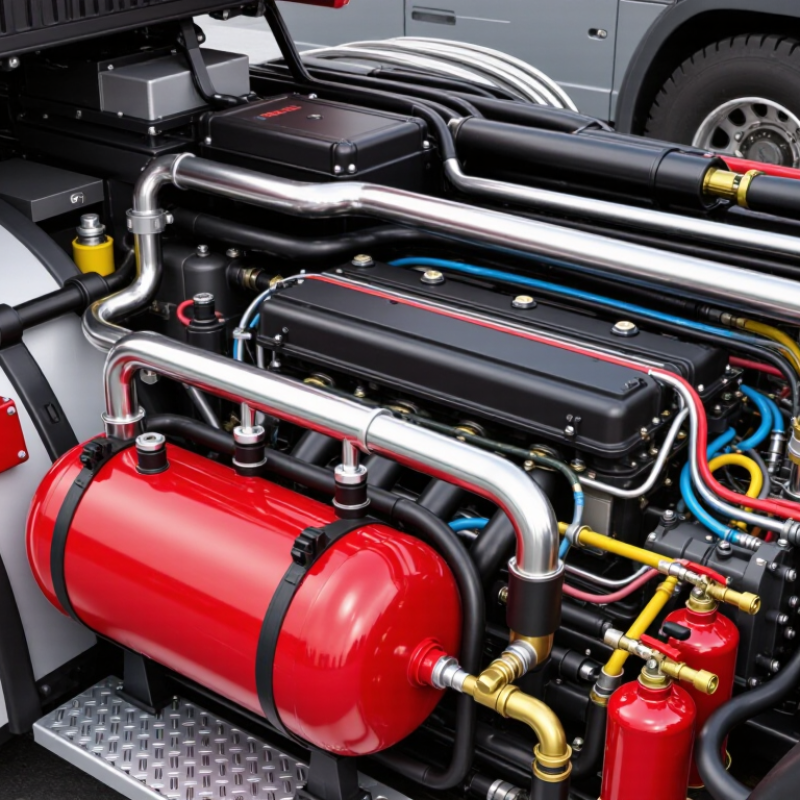
What Is a Vehicle Fire Suppression System?

Definition and Purpose of a Vehicle Fire Suppression System

A vehicle fire suppression system is a purpose-built safety assembly that detects and controls fire in a vehicle. It commonly includes heat or flame detectors, a control unit, stored extinguishing agent, piping, and discharge nozzles. Depending on the design, it may activate automatically or offer manual activation. Nozzles are aimed at areas with elevated fire risk, such as an engine bay or equipment compartment.

Its purpose is to suppress a fire quickly, limit damage, and give occupants time to exit. When a detector senses a dangerous condition, the system can release agent through targeted nozzles. The agent may cool hot surfaces or interrupt combustion, depending on its type. Seconds matter. But performance depends on the system matching the vehicle and the likely fire hazards. A setup suited to one machine may not suit another.

It is not a guarantee. Suppression equipment does not replace evacuation, emergency services, or routine vehicle maintenance. A loose fitting, blocked nozzle, or neglected detector can weaken protection. During an inspection, check that warning indicators work and discharge points remain clear. A dusty engine bay can hide trouble, and a clean panel does not prove every component is ready. That is an easy detail to overlook.

Main Components and Their Functions

What Is a Vehicle Fire Suppression System?

Main Components and Their Functions

A vehicle fire suppression system detects heat or flame and delivers an extinguishing agent to a protected area. Its parts must work together, especially in cramped engine compartments where heat, vibration, and dust are common. Detection may use heat-sensitive tubing, sensors, or both, depending on the system design. When a set condition is reached, the detection circuit signals the control unit. Some systems can also be activated manually.

That matters.

The control unit processes the signal and may trigger an alarm before releasing the agent. A pressurized cylinder stores the agent, while valves and pipes direct it toward nozzles positioned near likely fire sources. The agent may be a dry chemical, clean agent, or another type suited to the vehicle and hazard. Nozzles shape its discharge, helping cover areas such as fuel lines, turbochargers, or electrical equipment.

Coverage is not automatic perfection; blocked or poorly aimed nozzles can leave gaps.

A power supply, wiring, warning lights, and pressure indicators support operation and alert drivers to faults. Regular inspection should check pressure, connections, sensor condition, and unobstructed discharge points. Maintenance needs vary, so qualified technicians should follow the system’s instructions and the vehicle’s operating conditions.

How Fire Detection and Suppression Work

What Is a Vehicle Fire Suppression System?

How Fire Detection and Suppression Work

A vehicle fire suppression system pairs detection equipment with controls and agent-delivery components. Sensors monitor areas where heat or flames may develop, such as engine bays or machinery compartments. Depending on the design, they may respond to rising temperatures, flame radiation, or heat along a sensing line. When readings reach a set threshold, the control unit can trigger an alarm and release suppressant through strategically placed nozzles. Some systems also shut down engines or fuel flow, if configured to do so. Small details matter. No sensor is infallible.

NFPA’s U.S. Vehicle Fires report, based on 2018–2022 data, estimates an average of 215,000 vehicle fires each year in the United States. Those fires caused an estimated 560 civilian deaths and 1,500 injuries annually. The figures describe the scale of the risk, not the performance of any particular suppression system. Correct sensor placement, unobstructed nozzles, and regular inspections affect whether the system responds as intended. A detector positioned too far from a likely ignition point may react late. That possibility deserves attention during installation and maintenance. Operators should know how to recognize alerts and use any manual release provided. Fire response can be messy; a system reduces risk, but it cannot remove every hazard.

What Is a Vehicle Fire Suppression System? - How Fire Detection and Suppression Work

System Stage or Component How It Works Common Examples Practical Considerations
Fire risk area The system is arranged to protect locations where heat, fuel, electrical faults, or combustible materials may create a fire risk. Engine bays, auxiliary power units, machinery compartments, and other enclosed equipment areas. Coverage is designed for the vehicle layout and identified hazards; one installation does not necessarily protect every part of a vehicle.
Fire detection A detector or sensing line responds to conditions associated with a fire and sends an activation signal or directly initiates the system. Heat-sensitive linear detection lines, thermal sensors, or other approved fire-detection devices. Detector type, location, and activation criteria depend on the system design and operating environment.
Manual activation A clearly identified manual control allows an occupant or operator to initiate discharge when a fire is seen or suspected. A pull handle, push control, or other system-specific manual actuator. Controls should be accessible, identified, and installed according to the system instructions and applicable requirements.
Control and release After an automatic or manual activation, the release mechanism opens the agent container and directs the agent into the protected area. Mechanical or electrically operated release mechanisms, depending on system design. Some systems can also initiate related functions, such as equipment shutdown; these functions are design-specific.
Suppression agent The discharged agent helps control or extinguish fire using a method suited to the anticipated fuel and equipment hazards. Dry chemical, water-based agents, or other agents selected for the application. Agent choice matters: compatibility, electrical equipment, residue, visibility, and hazards to occupants should be considered.
Distribution network Pipes, hoses, or tubing carry the agent from its container to discharge points aimed at the protected area. Fixed piping or tubing with strategically positioned nozzles. Nozzle placement and unobstructed discharge paths are important. Modifications to the protected compartment can affect coverage.
Fire control and follow-up The system is intended to help control a fire quickly, but it does not remove the need for safe evacuation, emergency response, and inspection. Operator response, vehicle shutdown where safe, and emergency-service notification. Reignition may be possible if hot surfaces or fuel sources remain. Follow the vehicle and system emergency procedures.
Inspection and servicing Routine checks help confirm that detection, activation, agent containers, and distribution components remain serviceable. Visual checks, pressure or status checks where specified, and scheduled service by qualified personnel. Inspection intervals and procedures depend on the equipment instructions, vehicle use, and applicable regulations.

Note: Vehicle fire suppression systems are application-specific. Actual components, agent selection, coverage, and maintenance requirements should be determined from the system documentation and relevant local requirements.

System Types and Fire-Extinguishing Agents

A vehicle fire suppression system is usually a fixed installation designed to detect and control a fire in a specific area, such as an engine bay, bus compartment, or heavy-equipment cabin. Automatic systems use heat-sensitive detection lines or sensors to trigger discharge near the hazard. Some also include a manual release, giving the operator another way to activate the system. Portable extinguishers are useful, but they are not a substitute for an integrated system that can reach a fire in a difficult-to-access compartment.

The extinguishing agent matters. Dry chemical can knock down flames quickly, though its residue may require careful cleanup. Foam-based agents can help control certain flammable-liquid fires, while water mist cools surfaces and may suit some enclosed applications. Clean gaseous agents leave little residue, but their suitability depends on the space, airflow, and equipment being protected. Small spaces change everything. Selection should reflect the vehicle’s fuel, electrical components, operating conditions, and likely fire location. A system that looks adequate on paper may be poorly placed or hard to maintain in the field. That detail matters. Regular inspection by qualified personnel helps confirm that detectors, nozzles, and release controls remain ready.

Vehicle Applications, Installation, and Maintenance

What Is a Vehicle Fire Suppression System?
Vehicle Applications, Installation, and Maintenance

Vehicle fire suppression systems detect and control fires before they spread through enclosed, hard-to-reach spaces. They are commonly fitted to heavy trucks, buses, forestry equipment, and construction vehicles, where hot surfaces, fuel, wiring, and hydraulic lines can sit close together. NFPA’s 2024 report, Vehicle Fires in the U.S., estimates an average of 117,400 highway vehicle fires annually from 2018 to 2022. The figure is a reminder: vehicle type and operating conditions matter.

Installation should begin with a hazard assessment, not a one-size-fits-all kit. A qualified technician positions detection lines and discharge nozzles near likely ignition points, such as an engine bay or hydraulic pump, while protecting them from vibration, debris, and routine servicing. The system must match the vehicle layout and its suppression agent’s limits. Small details matter. A nozzle can look correctly placed and still leave a hidden hot spot uncovered. After installation, keep the system’s layout and service records with the vehicle.

Tips: Check warning indicators, seals, nozzles, and visible damage during scheduled inspections. Follow the manufacturer’s service interval and applicable standards; inspect again after repairs, impacts, or any discharge. Never assume a clean engine bay means the system is ready.

Vehicle Fire Protection: Portable Extinguisher Check Schedule

OSHA’s workplace standard calls for portable fire extinguishers to receive a visual inspection monthly and maintenance annually. This chart shows those frequencies over one year. These requirements concern portable extinguishers; inspection and servicing of a fixed vehicle fire suppression system should follow its manufacturer’s instructions and applicable local requirements.

Source: OSHA 29 CFR 1910.157(e)(2)–(3).