Why Choose an SMA Adapter for Global RF Connectivity?
Reliable RF connectivity now depends on small details. A loose interface, mismatched impedance, or poorly plated contact can distort a signal before testing begins. An sma adapter helps engineers connect SMA interfaces with antennas, coaxial cables, test instruments, and wireless modules across different laboratory setups.
Industry data supports this need. MarketsandMarkets reports continued growth in RF test equipment, driven by 5G deployment, satellite communications, and connected devices. Grand View Research also identifies miniaturization and higher operating frequencies as major connector-market trends. These pressures make compact, repeatable, and widely supported interfaces increasingly valuable. SMA connectors commonly support systems operating into the microwave range, although actual performance depends on design, cable quality, and adapter construction.
The connector is part of the measurement system.
That practical warning comes from Dr. Joel Dunsmore, a Keysight microwave measurement expert, who states, “The connector is part of the measurement system.” His point is easy to test: torque an SMA adapter consistently, inspect its threads, and measure return loss with a calibrated analyzer. Small habits matter. A scratched contact may create an intermittent fault that looks like a damaged amplifier.
Global projects also expose a weakness. “Universal” does not mean perfect. SMA, RP-SMA, 2.92 mm, and other interfaces may appear similar, yet their gender, frequency limits, and mechanical dimensions differ. Engineers should verify datasheets, regional supply stability, RoHS compliance, and calibration requirements before purchasing. An SMA adapter can simplify international integration, but only when its electrical and mechanical limits are understood. That is the part many introductions overlook.
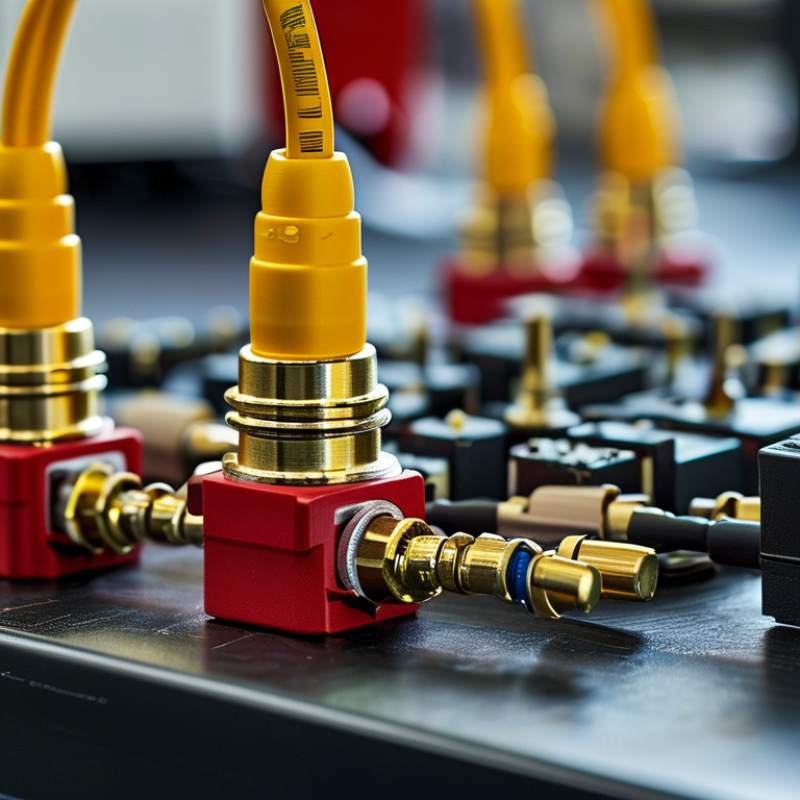
An SMA adapter is a compact RF component that connects devices with different connector formats. It uses a threaded coupling system, which helps maintain a firm connection during testing, installation, and field operation. Most SMA systems use a 50-ohm impedance, supporting common wireless, measurement, and antenna applications.
In practice, choosing an adapter requires more than matching connector shape. Engineers should check gender, polarity, operating frequency, power handling, and acceptable insertion loss. A small mismatch can create reflection, signal loss, or unstable measurements.
Small mismatch, big effect.
I have seen reliable equipment perform poorly because an adapter was selected by appearance alone. Inspecting the threads and center contact also matters, especially after repeated connections.
For global RF connectivity, an SMA adapter can simplify integration across regional equipment standards. It allows technicians to connect cables, antennas, filters, and test instruments without redesigning an entire signal path.
However, compatibility should be verified against technical documents, not assumptions. A suitable adapter should provide stable mechanical engagement, controlled impedance, and clear performance data. Environmental conditions deserve attention too. Outdoor systems may require sealing, corrosion resistance, and appropriate operating-temperature ratings. Even careful installations can overlook torque. That small detail may deserve more attention.
SMA adapter designs help RF systems connect across different equipment, cables, and test environments. Their threaded coupling provides firm mechanical contact during vibration and repeated setup changes. Fit comes first. A loose connection can create unstable readings, even when the transmitter operates correctly.
Most professional RF systems use a 50-ohm interface, so adapter geometry must preserve that impedance. The center contact, dielectric spacing, and connector body all influence signal behavior. Careful designs reduce insertion loss and voltage standing wave ratio across the rated frequency range. Mechanical details matter too. Plating quality, housing strength, and controlled dimensions affect durability and repeatability.
In practical testing, compatibility involves more than matching connector shapes. Engineers check gender, interface type, frequency limits, power rating, and polarity requirements before installation. Standard SMA, reverse-polarity SMA, and other related configurations may look similar but cannot always connect safely. That assumption fails. A reliable adapter should include clear specifications, inspection data, and traceable quality checks. Calibration equipment can reveal small reflections that ordinary continuity tests miss.
Field conditions also expose weaknesses. Dust, repeated torque, and side-loading can damage the interface. Following the specified tightening method helps protect the connector. I have found that compact adapters often invite overconfidence. Small details matter. A design may offer excellent electrical performance but still fail through poor mechanical handling. This is why engineers should verify every connection against the system datasheet, not appearance alone.
Why Choose an SMA Adapter for Global RF Connectivity?
Key Electrical and Mechanical Factors in SMA Adapter Selection
When selecting an SMA adapter, begin with electrical compatibility, not appearance. Impedance must match the RF system, usually 50 ohms. For common RF applications, even a small mismatch can increase reflections and weaken signal quality. Frequency rating also matters. An adapter designed for lower frequencies may perform poorly at higher bands. Check insertion loss, return loss, and voltage limits in the technical datasheet. I have seen compact adapters create unexpected measurement errors because their specifications were assumed, not verified.
Mechanical details affect reliability in daily use. Confirm the connector gender, thread type, keying, and mating dimensions before installation. A connector may look correct but still fail to seat fully. Proper torque helps prevent loose connections and damaged threads. Cable weight also matters, especially when the adapter is mounted on a test fixture. Repeated bending can stress the interface. Environmental conditions deserve attention too. Temperature changes, dust, and vibration may expose weaknesses that laboratory testing misses. Some selections are imperfect. Review them after field use.
Tips: Measure the complete connection path, not only the adapter. Use calibrated equipment when possible. Inspect the center pin under good lighting. Photograph the setup before changing cables. Record frequency, cable type, and torque values. These simple notes make troubleshooting faster and more reliable.
SMA adapters are widely selected for compact, 50 Ω RF systems because they combine a threaded coupling mechanism with dependable performance at microwave frequencies. The chart compares typical upper-frequency limits for commonly used RF connector interfaces; actual limits depend on construction, cable assembly, and test conditions.
Key selection factors: Confirm the required frequency range, 50 Ω impedance, return-loss or VSWR target, connector gender, straight or right-angle geometry, panel clearance, mating durability, and environmental sealing requirements before selecting an SMA adapter.
SMA adapters support global wireless communication by linking radios, antennas, test equipment, and regional cable systems. Their threaded coupling resists vibration during vehicle, tower, and factory deployment. This matters as networks become denser. The Ericsson Mobility Report, November 2024, forecasts 6.3 billion 5G subscriptions by 2029. SMA adapters help engineers connect compatible RF paths during upgrades, field testing, and maintenance.
Typical applications include cellular base-station testing, private LTE and 5G networks, GNSS receivers, industrial gateways, and Wi-Fi infrastructure. They also simplify laboratory validation across different frequency bands. The ITU Facts and Figures 2024 report estimates that 5.5 billion people were online globally. That expanding connectivity increases pressure on reliable RF hardware. However, an adapter cannot correct poor cable quality, impedance mismatch, or excessive signal loss. This is where practical judgment matters. A small mechanical error can weaken a carefully designed link.
Tips: Check impedance, frequency range, connector gender, and cable loss before installation. Keep adapters capped in dusty environments. Torque connections consistently. Avoid forcing threads. The GSMA Mobile Economy 2024 report projects continued growth in mobile adoption through 2030, yet deployment conditions remain uneven. Humidity, vibration, and regional equipment standards may challenge a simple “universal” approach. I have found that selecting the shortest suitable adapter often improves stability, but this is not always true. Measure the complete RF path before final approval.
An SMA adapter supports compact RF connections across many communication systems. Its threaded interface helps resist vibration and accidental movement. However, reliable performance depends on correct installation, not appearance alone.
Check the connector type, gender, impedance, and operating frequency before attachment. A mismatch can create signal loss or mechanical damage. Confirm that the equipment follows local frequency and power requirements.
Remove dust with approved lint-free materials, never sharp tools. Align the threads gently and turn the coupling nut by hand. Do not force it. Use a calibrated torque tool when the equipment specification provides a value. Excessive force may deform the interface. Too little force can cause intermittent readings. This detail is easy to miss.
Check return loss, insertion loss, and continuity at the intended frequency range. Record the cable length, adapter configuration, and test conditions. A result can look acceptable while hiding a loose connection. That assumption deserves checking. Re-test after moving the cable or changing the adapter position.
Inspect threads for wear, corrosion, or looseness during scheduled service. Replace questionable adapters instead of repeatedly tightening them. Store them in a dry container with protective caps installed. Even careful technicians make mistakes. A written inspection record helps reveal repeated failures and improves future installation work.