Why Choose Cable Harness Assembly for Global Sourcing?
Why Choose Cable Harness Assembly for Global Sourcing?
Global sourcing is no longer driven by unit price alone. A cheaper harness can create expensive delays, rework, and field failures. Cable harness assembly offers a controlled way to combine wires, terminals, connectors, labels, shielding, and protective coverings. Each finished assembly can arrive ready for installation. That saves handling time on the production line.
Mike Hockett, a longtime wiring-harness industry leader, has described the harness as “the nervous system of the machine.” The comparison is practical. A poorly crimped terminal may look acceptable, yet fail after vibration, heat, or repeated movement. Experienced suppliers therefore inspect conductor stripping, crimp height, pull force, continuity, and connector locking. They also document materials and test results. Details matter.
Global buyers gain more than manufacturing capacity. They gain access to specialized tooling, trained operators, scalable production, and established quality systems. A reliable partner can support prototypes, pilot runs, and larger volumes without changing the basic process. Still, outsourcing is not automatically safer. Communication gaps, unclear drawings, and poorly controlled revisions can weaken the result. That is an uncomfortable truth.
The strongest sourcing strategy combines technical review with regular supplier audits. It checks samples physically, not only on spreadsheets. It confirms traceability from incoming wire to final shipment. It also leaves room for improvement. No process is perfect. Even a well-tested cable harness assembly may need redesign when equipment changes. The right supplier does not hide that risk. It measures it, discusses it, and works to reduce it.
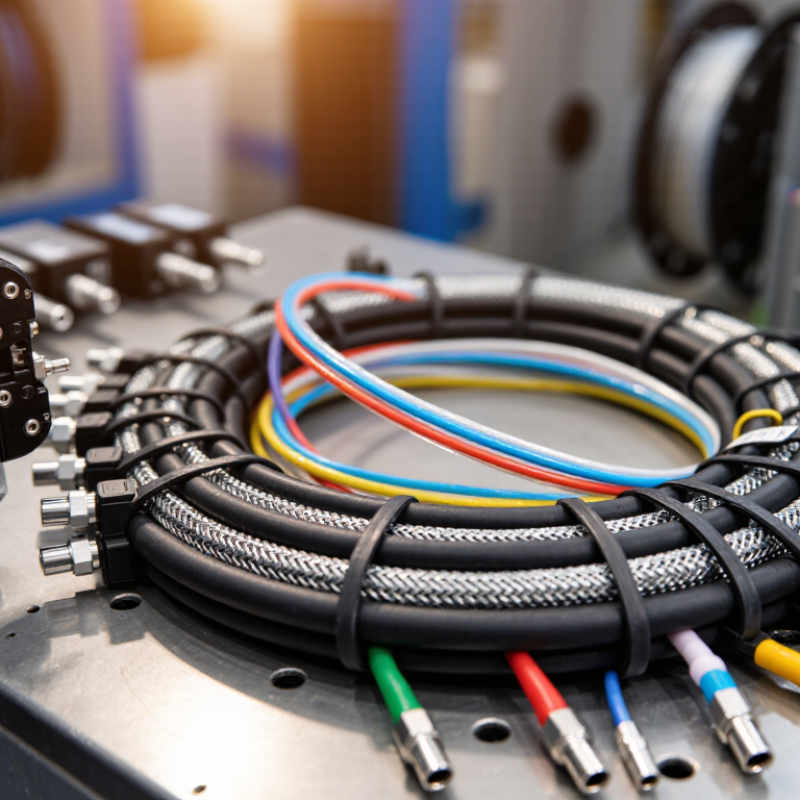
What Is Cable Harness Assembly in Global Sourcing?
Why Choose Cable Harness Assembly for Global Sourcing?
What Is Cable Harness Assembly in Global Sourcing?
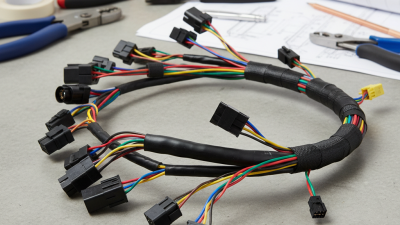
Cable harness assembly combines wires, terminals, connectors, sleeves, labels, and protective parts into one tested unit. It follows an engineered design, not a random bundle of cables. In global sourcing, suppliers build these assemblies from approved drawings, material lists, and inspection standards.
This approach reduces installation time and wiring errors. A technician can receive one organized harness instead of handling many loose wires. For example, a control cabinet may need numbered cables, heat-shrink tubing, and fixed connector positions. Each detail supports consistent assembly across different production locations.
Experienced sourcing teams should verify crimp height, pull force, continuity, insulation, and connector fit. Samples should match production parts. Traceable records also matter when materials or processes change. A perfect drawing still cannot predict every factory problem. Terminal orientation and bend radius are often overlooked. That is where practical review helps.
Tips: Request a first-article sample before placing large orders. Check wire gauges, temperature ratings, labeling, and packaging. Keep revision control clear. A small drawing change can affect the entire harness. Suppliers should explain their testing method, not simply promise quality. Independent inspections may add cost, but they can expose weak crimps early.
How Cable Harness Assembly Supports International Supply Chains
Cable harness assembly gives international supply chains a controlled way to move power and signals between regions. Instead of shipping loose wires and connectors, suppliers deliver tested, labeled assemblies. This reduces installation time at overseas plants and limits errors caused by mismatched parts. A clear drawing, revision code, and inspection record help purchasing teams compare suppliers objectively. That practical structure matters when production schedules cross time zones.
Experienced assemblers build around documented requirements, including wire gauges, insulation, connector positions, bend radii, and pull-force limits. They can add continuity testing, visual checks, and sample approvals before larger shipments leave the factory. Photographs of finished bundles, sealed cartons, and batch labels create useful evidence during receiving inspections. Packaging needs attention. A harness can pass testing yet arrive damaged after a long ocean journey. Moisture barriers, bend protection, and consistent carton sizes reduce that risk.
Global sourcing still needs disciplined communication. Engineering changes should reach the assembler, buyer, and receiving site through one controlled process. Otherwise, an older revision may quietly enter production. Regional standards, customs descriptions, and supplier capacity should be reviewed before contracts are finalized. No sourcing model is flawless. A small labeling mistake can delay an entire line, so teams should examine shipment data and correct weak points. Errors remain possible.
Which Cost and Quality Advantages Does It Provide?
Cable harness assembly can reduce global sourcing costs through controlled, repeatable production. It combines wires, terminals, connectors, sleeves, and labels into one tested unit. This reduces internal assembly time and lowers handling errors. For larger orders, standardized cutting, crimping, and testing can improve labor efficiency. Shipping may also become simpler because one finished harness replaces several loose components.
Quality benefits are equally important. A capable assembly partner can follow documented work instructions, approved drawings, and inspection procedures. Electrical continuity tests can identify open circuits, short circuits, and incorrect connections before shipment. Visual checks can catch damaged insulation or incomplete crimps. Traceable batch records also support faster investigation when a problem appears. Less rework. Fewer delays. Still, the lowest quotation is not always the best value. Weak documentation or inconsistent crimp force can create expensive failures later.
Tips: Request sample harnesses, inspection records, and clear acceptance criteria before placing a large order. Confirm material specifications, testing methods, packaging details, and change-control procedures. Ask how rejected parts are isolated and reported. A small pilot order is useful, although it adds time and may seem inefficient. That extra step can reveal unclear drawings, unsuitable terminals, or packaging damage. Regular communication remains essential, especially when production crosses time zones and shipping routes.
How to Evaluate Global Cable Harness Assembly Suppliers
Choosing a cable harness assembly supplier requires more than comparing quotations. Begin with process evidence. Ask for crimp-force records, terminal pull-test results, continuity testing, and first-article inspection samples. The supplier should work to IPC/WHMA-A-620 requirements and maintain controlled work instructions. Ask for evidence.
Evaluate traceability at the production line. Can operators identify wire lots, terminals, tools, and inspection results? A reliable supplier should explain revision control, engineering-change approval, and nonconforming-material handling. During an audit, inspect stripped wire ends, seal placement, bend radius, and connector locking. Small defects often create expensive field failures.
Global logistics also deserves measurable review. The World Bank’s 2023 Logistics Performance Index covered 139 economies and reported a median 44-day journey from port arrival to final delivery. Therefore, assess regional inventory, packaging protection, customs documentation, and recovery plans. McKinsey’s global supply-chain survey found that 93% of leaders planned to increase resilience after recent disruptions. Capacity claims need proof, not attractive slides. Request monthly output data, backup tooling plans, and supplier dependency information. Look beyond price.
A polished audit can still miss weak production discipline. I would repeat the audit after pilot production, especially when volumes increase. Supplier scorecards should track defects per million, on-time delivery, response time, and corrective-action closure. The cheapest offer is not automatically efficient. It may simply postpone the cost.
What Factors Influence Sourcing Decisions and Risk Control?
Why Choose Cable Harness Assembly for Global Sourcing?
Cable harness assembly can simplify global sourcing when decisions focus on risk, not price alone. A harness supplier should demonstrate controlled crimping, wire identification, continuity testing, and traceable inspection records. IPC/WHMA-A-620 provides widely recognized workmanship criteria for cable and wire harness assemblies. Buyers can use these criteria during supplier audits and production reviews.
Cost remains important, but it rarely tells the full story. Deloitte’s 2023 Global Chief Procurement Officer Survey reported that 75% of procurement leaders experienced significant supply disruption during the previous year. For harness sourcing, buyers should examine tooling ownership, component availability, labor stability, logistics routes, and backup production capacity. A second manufacturing location can reduce downtime, but it may increase qualification costs.
That trade-off needs evidence.
McKinsey reported that 93% of supply chain leaders planned to increase resilience investment after recent disruptions. Practical controls include approved substitute components, dual-source planning, incoming inspection, and lot-level traceability. A supplier should also explain how it handles engineering changes and obsolete terminals. Digital records help, yet data quality can still fail when operators enter information manually. No scorecard is perfect. Pilot builds, sample audits, and failure analysis often reveal risks that spreadsheets miss. Sourcing teams should review delivery performance monthly and challenge optimistic capacity claims before placing large orders.