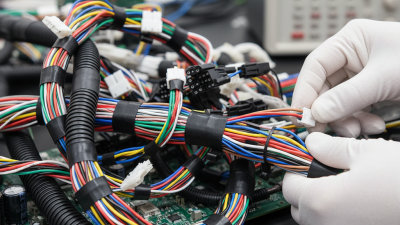
China Top 10 Wire Assemblies Suppliers for Global Buyers
Choosing reliable wire assemblies suppliers requires more than comparing unit prices or browsing polished factory websites. Global buyers need evidence from the production floor. Look for controlled crimping, stable insulation stripping, accurate pin insertion, and clear traceability. A properly built harness should fit the first time, not after repeated adjustments.
Philip Crosby, a respected quality-management authority, stated, “Quality is conformance to requirements.” That principle remains practical for wire assemblies. It means matching drawings, materials, tolerances, testing procedures, packaging, and delivery commitments. A supplier may offer attractive pricing, yet weak documentation can create expensive delays. Small details matter. Connector locks. Label clarity. Bend radius. Pull-force results.
This guide reviews ten wire assemblies suppliers serving international buyers. It considers manufacturing experience, engineering support, inspection systems, certifications, customization, capacity, and communication. It also examines how suppliers handle samples, engineering changes, urgent orders, and production feedback. These factors often reveal more than a brochure.
No ranking is perfect. Supplier performance can vary by project, region, and production season. Even an established manufacturer may struggle with a difficult connector or unfamiliar compliance requirement. Buyers should verify current certificates, audit records, sample quality, and references before signing contracts. That extra work feels slow. It can prevent costly rework later.
The companies listed here represent useful starting points, not automatic choices. Their strengths differ. Some focus on automotive harnesses, while others serve industrial equipment, medical devices, or consumer electronics. The right partner should demonstrate repeatable quality, responsive engineering, and honest communication. In wire assemblies, reliability is not a slogan. It is visible in every terminal, test record, and delivered shipment.

Wire Assembly Suppliers in China: An Overview for Global Buyers
China’s wire assembly industry serves automotive, industrial, medical, appliance, and communication equipment markets. Global buyers usually compare suppliers by engineering capability, production control, and export experience. A reliable supplier should read drawings accurately and clarify unclear specifications before production begins.
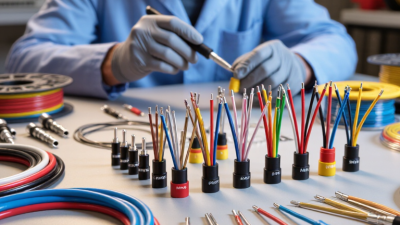
Look for documented quality procedures, traceable materials, and controlled crimping processes. Technicians should verify terminal pull force, conductor length, insulation stripping, and continuity. Sample assemblies can reveal practical details, such as uneven insulation cuts or loose contacts. These small defects may cause serious field failures. Ask for inspection records, capability data, and photographs of actual production lines.
Communication matters too. Experienced suppliers provide clear quotations, realistic lead times, and change-control records. They should explain tolerances instead of promising everything immediately. No supplier is perfect. Even a strong factory may struggle with unusual connectors, sudden volume changes, or incomplete drawings. Buyers should therefore test samples and review corrective actions before placing larger orders. Factory audits help, but they can still miss problems between inspection days. Regular communication and independent verification remain worthwhile.
Key Capabilities and Product Categories of Leading Chinese Suppliers
China Top 10 Wire Assemblies Suppliers for Global Buyers
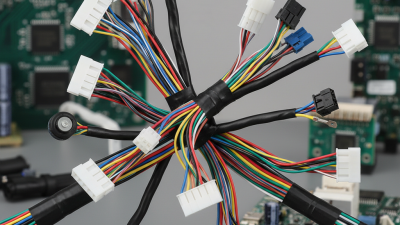
Leading Chinese wire assembly suppliers offer more than cut-and-crimp production. Their product categories include automotive harnesses, industrial control cables, battery leads, medical device wiring, data cables, ribbon cables, and custom overmolded assemblies. Buyers can request low-voltage power sets, signal harnesses, coaxial assemblies, or panel-mounted cable systems.
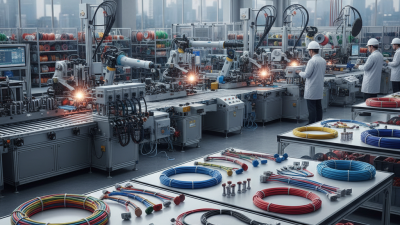
Key capabilities often include automatic wire cutting, terminal crimping, ultrasonic welding, soldering, labeling, and protective sleeving. Skilled factories also support cable testing, continuity checks, hipot testing, pull-force testing, and visual inspection. For demanding projects, traceability records can connect each assembly to its material lot and inspection result. Compliance support may include documentation aligned with applicable regional standards, but buyers should verify every claim independently.
Factory experience matters. A supplier familiar with fine-pitch connectors may handle compact medical wiring better than a general cable maker. Another may excel at rugged harnesses with braided sleeving and sealed connectors. Samples should be tested under real conditions, including bending, vibration, heat, and repeated mating. No supplier is perfect. A polished sample can hide inconsistent crimp height or unclear change-control procedures. Ask for process photos, inspection reports, and corrective-action records. Communication quality also deserves attention. Small specification changes can create large assembly errors. A reliable supplier confirms drawings, pinouts, tolerances, and packaging details before production.
Quality Standards, Certifications, and Manufacturing Processes
China’s top wire assembly suppliers are often judged by more than price and production capacity. Global buyers should examine how consistently each factory controls materials, crimping, soldering, and final inspection. A reliable supplier can provide traceable records for copper terminals, insulation, connectors, and lot numbers. Samples should match approved drawings, including wire length, strip length, pull force, and label position.
Quality systems deserve close attention. ISO 9001 supports documented process control, while IATF 16949 may suit automotive projects. IPC/WHMA-A-620 offers practical requirements for cable assembly workmanship. UL recognition can also matter for specific applications and markets. Buyers should verify certificate scope, issuing body, expiry date, and covered production site. A certificate alone proves little.
Factory audits reveal details that documents may hide. Look for calibrated crimp-height gauges, pull-test equipment, continuity testers, and controlled soldering stations. Operators should follow visual standards and receive recorded training. First-article approval, in-process checks, and 100% electrical testing reduce shipment risks. Still, no audit is perfect. Some records may look complete while operators struggle during peak orders. Ask for recent nonconformance reports and corrective actions. That uncomfortable evidence often shows whether a supplier learns from defects. During production, buyers should review change control, packaging protection, and sample retention. Small errors matter. A loose terminal can fail after vibration, heat, or repeated bending.
How to Evaluate Chinese Wire Assembly Suppliers for Your Project
How to Evaluate Chinese Wire Assembly Suppliers for Your Project
Global buyers should evaluate Chinese wire assembly suppliers beyond price and catalog claims. IPC’s 2024 Electronics Industry Survey identified supply-chain resilience as a continuing industry concern. Ask for process maps, operator training records, and lot-level traceability. A capable supplier should explain conductor preparation, crimp control, soldering, testing, and final inspection in clear terms.
Request samples built from your drawings, not generic products. Check terminal retention, pull-force results, continuity, insulation resistance, bend performance, and labeling accuracy. IPC/WHMA-A-620 provides widely used workmanship criteria for cable and wire harness assemblies. However, compliance on paper is not enough. Review calibration records and witness a production test when possible.
Logistics also deserve measurable review. The World Bank’s 2023 Logistics Performance Index gave China a score of 3.7 out of 5, showing strong but imperfect logistics capability. Confirm lead times, packaging methods, export documents, and backup material sources. A lower quotation may hide tooling charges, rework, or weak change control. This is where many evaluations become too optimistic. No checklist catches everything. Ask how the supplier handled a real defect, including its root-cause report and corrective action. A small pilot order can reveal more than a polished factory tour.