7 Best SMA Female Connectors for Global Buyers
Choosing an SMA female connector is not just a matter of matching a product photo. Small parts matter. A connector may look suitable yet fail to mate with the cable, adapter, or panel opening already in use. For global buyers, that mismatch can mean delayed assembly, extra freight, and avoidable rework.
This guide compares seven SMA female connectors through practical selection points: interface type, mounting style, cable compatibility, rated frequency, impedance, and documented electrical performance. A threaded coupling nut should engage smoothly, while the center contact and body dimensions should match the specified interface. Check the manufacturer’s data sheet for frequency range, VSWR, insertion loss, and any stated operating limits. These values vary by design; a familiar SMA label does not make every part interchangeable in every application.
Look closely at construction, too. Gold-plated contacts may suit certain corrosion and contact-resistance needs, but plating alone does not establish overall quality. A bulkhead version can simplify panel installation, while a cable-end version depends on the cable type and termination method. Packaging, traceable specifications, and consistent supplier communication also matter when purchasing across regions. Yet specifications can leave questions unanswered. A sample may reveal fit or workmanship that a catalog cannot. The best option is therefore the one that meets verified system requirements, arrives with clear documentation, and performs reliably in the buyer’s actual setup—not simply the connector with the longest feature list.
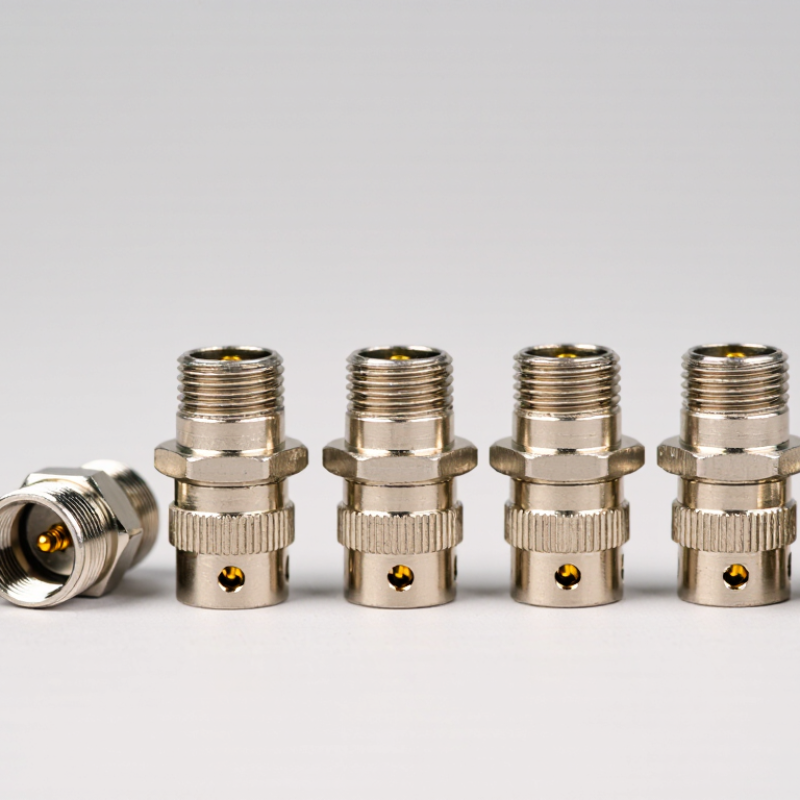
SMA Female Connectors: Design, Interfaces, and Common Applications
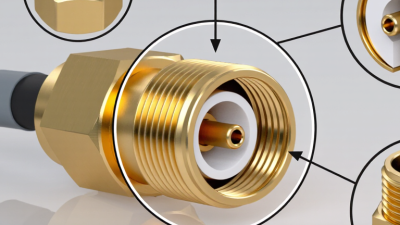
SMA female connectors use an internally threaded coupling and a center contact designed to mate with an SMA male plug. IEC 60169-15 specifies the SMA interface and its nominal 50-ohm impedance. In practice, many standard assemblies are rated to 18 GHz, while precision versions may reach 26.5 GHz; the connector alone does not guarantee that performance.
Cable type, launch geometry, and assembly quality all matter. Small gaps count. A loose nut or damaged thread can increase reflections and disturb a clean signal.
The interface suits compact RF links in test fixtures, antennas, wireless equipment, and navigation receivers. Its threaded coupling resists vibration better than many push-on interfaces, though repeated mating can wear the contact. Check the datasheet for frequency range, VSWR, insertion loss, and mating-cycle rating.
For example, a 2.92 mm test port should not be treated as interchangeable with SMA simply because the connectors appear similar. MIL-STD-348B provides dimensional interface requirements for RF connectors, while IEC 60169-15 covers SMA dimensions. These standards help buyers compare mechanical fit, but they do not replace assembly-level measurements.
A detail worth questioning: advertised bandwidth can describe a carefully built connector, not the complete cable assembly.
Key Criteria for Comparing SMA Female Connectors
When comparing SMA female connectors, start with the electrical requirements, not the product photo. Check the stated impedance, operating frequency, and voltage rating against your system. A connector that looks right may still create a mismatch. Small details count.
Review insertion loss and VSWR across the frequencies you actually use. A single headline value can hide weaker performance near the upper end of a band. Check whether test conditions and measurement methods are clearly stated. If they are missing, ask for clarification before comparing prices.
Look closely at the interface dimensions and coupling mechanism. A loose fit or damaged thread can interrupt a connection, even when the electrical specifications appear suitable. Fit matters.
Material and finish influence durability, especially when connectors are handled often or exposed to changing temperatures. For outdoor installations, verify sealing details and the stated environmental limits rather than assuming every connector is weather-resistant.
Match the cable entry and termination style to the cable, tools, and available space. Datasheets help, but they do not answer everything; samples or incoming inspection may reveal assembly issues. A slightly imperfect comparison is still better than choosing on price alone. Check supplier documentation, tolerances, and consistency between batches.
Seven SMA Female Connector Options for Different Buyer Needs
SMA female connectors serve different jobs, even when their mating interfaces look alike. A bulkhead jack suits a metal enclosure; its threaded body passes through a drilled panel. A four-hole flange option offers firmer mounting where vibration matters. For compact boards, choose a PCB edge-launch jack or a vertical PCB jack. Fit matters more. Check the drawing.
Cable assemblies call for different choices. A straight cable-end jack keeps routing simple, while a right-angle version can clear a crowded housing. Crimp and solder-cup terminations suit different cable types and assembly methods; confirm the cable diameter and braid structure before ordering. The GSMA Mobile Economy 2024 report estimates that mobile technologies and services contributed 5.4 trillion US dollars to global GDP in 2023. That scale makes dependable RF connections important, but it does not make every connector suitable for every installation.
For a prototype, an edge-launch connector can simplify board testing, though its footprint and launch geometry need careful review. A panel-mounted version may be better for field equipment that gets repeatedly connected. Check rated frequency, impedance, plating, and mating-cycle data against the actual system requirements. I would not pick by price alone; I have seen that shortcut overlook cable compatibility. Check the drawing.
Matching Connector Type to Cable, Frequency, and Installation
7 Best SMA Female Connectors for Global Buyers
Matching the connector to the cable, frequency, and installation matters more than choosing by appearance. SMA female connectors are available in straight, right-angle, bulkhead, and PCB-mount styles. Each suits a different setup. A straight connector works well where cable routing is open, while a right-angle version can reduce bending in a tight enclosure. Check the cable’s diameter and construction before selecting a crimp or solder attachment. A connector that fits loosely can cause unreliable contact. Small details matter.
Tips: Confirm the connector’s specified frequency range and impedance against the equipment requirements. SMA parts commonly use a 50-ohm system, but never assume compatibility from the connector shape alone. Check center-contact and thread dimensions, too. For panel mounting, verify the opening size and available clearance behind the panel. A quick drawing check can prevent an awkward fit.
Installation conditions can change the best choice. Vibration, repeated cable movement, and limited access may call for stronger strain relief or a bulkhead mount. Avoid sharp bends near the cable entry. They can stress the connection and affect performance. One point is easy to overlook: advertised frequency limits may depend on the cable assembly and installation, not just the connector. Review the complete assembly specification before ordering.
7 Best SMA Female Connectors for Global Buyers — Matching Connector Type to Cable, Frequency, and Installation
Representative maximum frequency ratings for common SMA female connector configurations
Standard SMA configurations are commonly available with ratings up to 18 GHz, while precision SMA versions can reach 26.5 GHz; RP-SMA products are commonly rated up to 6 GHz. These are representative product ratings, not guarantees for every connector. Match the connector to the cable type and diameter, then verify the exact frequency rating, mounting dimensions, and installation requirements in its datasheet.
Evaluating Quality, Standards, and Suppliers in Global Markets
For global buyers, the best SMA female connector depends on its application, not its product-page ranking. A panel-mount part, PCB jack, and cable-end connector may share the same interface but serve different needs. Check the specified impedance, frequency range, mounting style, and cable compatibility. Confirm dimensions against the applicable SMA interface drawing. A familiar thread is not enough.
Inspect the details. Gold plating should be specified, not merely shown in a product photo. Check contact materials, finish thickness, center-contact alignment, and stated mating-cycle limits. Ask for test data covering return loss or VSWR across the intended frequency range. A connector can look precise and still perform poorly. Small defects matter.
Supplier quality deserves equal scrutiny. Request a current datasheet, dimensional drawing, inspection criteria, and traceable lot information. Compare samples from the same production run when possible; one sample proves little about consistency. For international orders, clarify packaging, lead time, change-notification practices, and how nonconforming parts are handled. Independent test reports can help, but review their scope and date. I would not treat a polished certificate as proof of every shipment. Some specifications remain vague, so ask direct questions and keep the answers on record.